
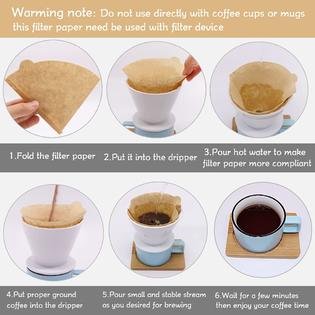
If you love a good cup of coffee, knowing how to use paper coffee filters can make all the difference in taste and convenience. You might think it’s simple, but using them the right way can unlock richer flavors and a smoother brew.
Whether you’re new to brewing coffee at home or want to improve your daily ritual, this guide will show you exactly how to get the best results. Keep reading, and you’ll soon enjoy coffee that tastes just the way you like it—every single time.
Choosing The Right Filter
Paper coffee filterscome in different types, each affecting taste and brewing. Bleached filtersare white and clean, offering a neutral taste. Unbleached filtersare brown and more natural but may add a slight flavor. Metallic filtersare reusable but not paper, so keep focus on paper types.
Size and shape matter for a good fit. Common shapes include cone-shapedand basket-shaped. Cone filters often produce stronger coffee by directing water through the grounds evenly. Basket filters hold more coffee and work well with flat-bottom brewers. Always check the size to match your coffee maker.
| Filter Type | Shape | Flavor Impact | Environmental Impact |
|---|---|---|---|
| Bleached | Cone, Basket | Neutral, clean taste | Uses chemicals but breaks down faster |
| Unbleached | Cone, Basket | Natural, slight paper flavor | More eco-friendly, less processed |

Credit: capmesso.com
Preparing The Filter
Rinsing paper coffee filters helps remove any paper taste. Place the filter in the coffee maker or dripper first. Then, pour hot water over it slowly. This warms the filter and washes away loose fibers. Discard the rinse water before brewing coffee. This step also heats the brewing equipment, improving coffee flavor.
- Use hot water just off the boil (about 200°F or 93°C).
- Pour water evenly to wet the entire filter surface.
- Let water drip through completely before brewing.
- Discard the rinse water to avoid dull flavors.
Preventing paper taste ensures a clean and fresh cup. Rinsing is the easiest way to avoid this problem. Some filters have a stronger paper smell, so rinsing is very helpful. It also helps coffee flow smoothly through the filter. This simple step can improve every cup you brew.
Brewing With Paper Filters
Correct coffee grind sizeis key for using paper filters. Use a medium grind for drip coffee makers. Too fine can clog the filter and cause bitterness. Too coarse means weak coffee.
Water temperature should be between 195°F and 205°F. Too hot water burns coffee. Too cold water makes the coffee taste sour or weak.
Brewing time matters. Aim for about 4 minutesfor drip brewing. Less time means weak coffee. More time can cause bitterness. Adjust time based on taste preference.
Enhancing Coffee Flavor
Paper coffee filters change how coffee tastes. They trap oils and small particles. This makes the coffee taste smoother. Some people like this clean taste. Others prefer more oils in their coffee. Each choice gives a different coffee experience. Experiment to find your favorite taste.
Different brew methods can be used with paper filters. Here are some ideas:
- Pour-over: Use a cone-shaped filter. Pour water slowly.
- Drip coffee maker: Place the filter in the basket. Add coffee grounds.
- AeroPress: Insert a paper filter. Press down gently.
Each method changes the coffee’s flavor. Try different methods to enjoy new tastes.
Cleaning And Disposal
Paper coffee filters can be easily cleaned by rinsing off used grounds before disposal. Folding and composting them reduces waste and keeps your kitchen tidy. Proper disposal helps prevent clogging and supports eco-friendly habits.
Filter Disposal Options
- Used paper filterscan be thrown in the trash if no other option is available.
- Some filters are biodegradableand can be composted with coffee grounds.
- Rinsing the filter before disposal helps remove leftover coffee bits.
- Keep filters dry if you plan to recycle or compost them.
- Check local rules to see if paper filters are accepted in recycling bins.
Recycling And Composting
Paper coffee filters mixed with coffee grounds make great compost material.
They break down quickly and add nutrients to soil.
Recycling depends on the filter type. Some have chemicals or plastic linings.
Only recycle filters that are 100% paperwithout coatings.
Composting is the best eco-friendly choice for most paper coffee filters.

Credit: somethingsbrewing.in
Common Mistakes To Avoid
Using the wrong size filter can cause spills and weak coffee. Avoid folding filters incorrectly to prevent tearing and clogging. Ensure the filter fits snugly to keep grounds from slipping through.
Overloading The Filter
Too much coffee can cause spills. Filters can only hold so much. Use the right amount for best taste. Coffee needs room to brew. Overloading makes it weak or too strong. Follow the coffee maker’s guide. Ensure the filter sits evenly. Uneven filters can spill coffee over.
Using Old Or Damaged Filters
Old filters can tear easily. Torn filters let coffee grounds escape. Fresh filters work best for taste. Check filters for holes or tears. Damaged filters can mess up your brew. Always store filters in a dry place. Wet filters can ruin your coffee. Fresh filters ensure a clean brew every time.
Alternative Uses For Paper Filters
Paper coffee filtershave many uses beyond brewing coffee. They can help in cleaning by trapping dust on shelves or screens. Use a filter to wipe windows and mirrors without leaving streaks. Filters absorb oil from fried foods well, making them handy in the kitchen.
For craft ideas, coffee filters are great for painting and coloring projects. Kids can make flowers or butterflies by folding and coloring them. They also work as a base for paper snowflakes or other decorations. Their lightweight texture makes them easy to cut and shape.
- Use filters as a protective layer when storing fragile items.
- Place a filter inside shoes to absorb moisture and odor.
- Put a filter under potted plants to keep soil from leaking.
- Create simple lanterns by placing colored filters over a light source.

Credit: www.perfectpod.com
Frequently Asked Questions
What Types Of Coffee Filters Are Best For Brewing?
Paper coffee filters come in various sizes and shapes. Choose a filter that fits your coffee maker. Bleached white filters offer a cleaner taste, while unbleached filters are eco-friendly and add a subtle flavor.
How Do Paper Coffee Filters Affect Coffee Taste?
Paper filters trap oils and sediment, creating a cleaner cup. They produce a lighter, smoother flavor. Metal or cloth filters let more oils through, resulting in a bolder taste.
Can I Reuse Paper Coffee Filters Safely?
Reusing paper filters is not recommended. They absorb oils and flavors, which affect taste. Also, reused filters may tear easily and cause brewing issues.
How To Properly Place A Paper Coffee Filter?
Place the filter inside the coffee maker’s basket. Ensure it fits snugly without folds or wrinkles. This allows even water flow and prevents grounds from escaping.
Conclusion
Using paper coffee filters makes brewing coffee simple and clean. They help remove coffee grounds and oils for a smooth taste. You only need to place the filter in your coffee maker, add coffee, and pour hot water. Remember to choose the right size for your machine.
Discard the filter after use to keep your coffee fresh. Enjoying a good cup of coffee has never been easier. Try these tips and see how paper filters improve your daily brew. Simple steps, better coffee.