
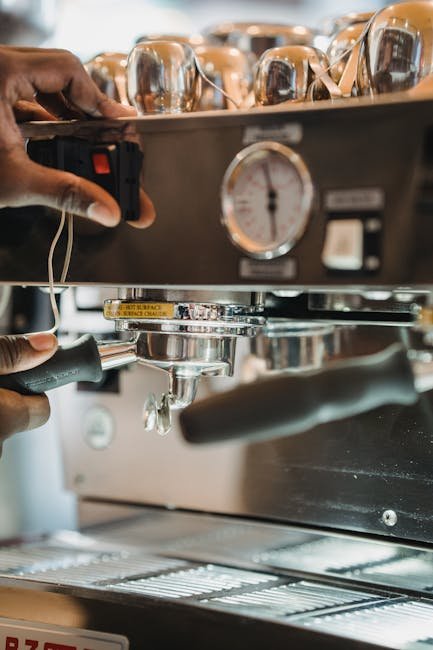
If you want your espresso machine to deliver the perfect shot every time, maintaining the pressure gauge is key. You might not realize it, but a faulty or dirty pressure gauge can ruin your coffee’s flavor and consistency.
In this post, you’ll discover simple, effective steps to keep your pressure gauge working like new. By following these tips, you’ll save money on repairs and enjoy café-quality espresso right at home. Ready to master your espresso machine? Let’s dive in.
Importance Of Pressure Gauge
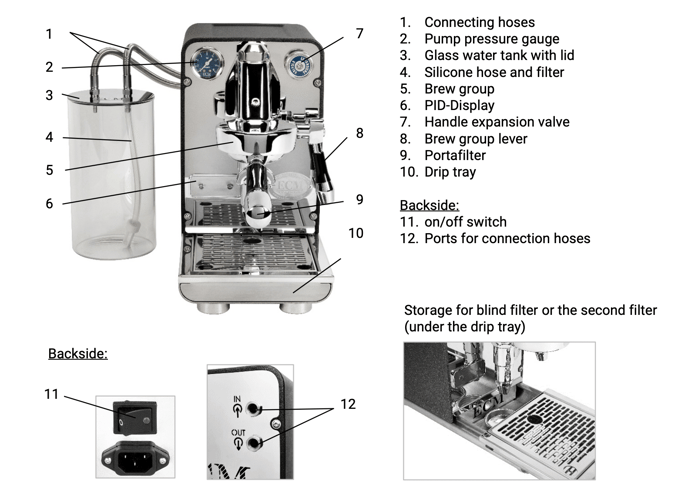
The pressure gaugeis key to making great espresso. It shows the pressure levelinside the machine during brewing. Keeping the pressure right helps extract flavors welland avoid bitter taste. A wrong pressure reading can ruin the espresso quality.
The gauge helps control the water flowthrough the coffee grounds. Too much pressure can make the coffee over-extracted. Too little pressure leads to under-extraction. Both affect taste and texture.
Common issues with pressure include:
- Pressure too high:Causes burnt or bitter flavor.
- Pressure too low:Leads to weak, sour coffee.
- Fluctuating pressure:Creates inconsistency in each cup.
- Gauge not working:No way to know correct pressure.

Credit: www.reddit.com
Tools Needed For Maintenance
Basic cleaning supplies are essential for maintaining the espresso machine pressure gauge. Use a soft cloth to wipe dirt and dust. Mild soap and water help remove grease. Avoid harsh chemicals that can damage the gauge.
Specialized instruments improve accuracy and care. A pressure gauge calibration toolchecks the gauge reading. A small brush cleans tight spaces inside the machine. A screwdriver may be needed to open the gauge cover.
| Basic Cleaning Supplies | Specialized Instruments |
|---|---|
| Soft cloth | Pressure gauge calibration tool |
| Mild soap and water | Small brush |
| Non-abrasive sponge | Screwdriver |
Regular Cleaning Steps
Residue can build up on the pressure gauge over time. Use a soft cloth to gently wipe away dirt and coffee oils. Avoid harsh chemicals that could damage the gauge face.
Cleaning the gauge face regularly helps keep readings clear and accurate. A damp microfiber cloth works well. Dry it carefully to avoid moisture inside the gauge.
- Turn off and unplug the espresso machine before cleaning.
- Use a soft, lint-free cloth for wiping.
- Lightly dampen the cloth with water if needed.
- Never spray water or cleaners directly on the gauge.
- Dry the gauge face completely after cleaning.
Calibrating The Pressure Gauge
Espresso machines need regular care. Calibration is important for good coffee. Check the gauge every three months. Listen to your machine. Strange sounds can mean problems. Look at the espresso. If it’s too fast or too slow, calibrate. Routine checks help keep your machine healthy.
- Turn off the machine. Safety first.
- Unplug from the power outlet.
- Wait for the machine to cool.
- Find the pressure gauge knob.
- Turn the knob. Adjust to the right spot.
- Plug in and turn on the machine.
- Test with a cup of espresso.
- Check if the pressure is right.
Repeat if the pressure is still off. Patience is key.
Troubleshooting Pressure Problems
Inaccurate readingscan happen due to dirt or air bubbles in the gauge. Dirt blocks the pressure sensor, causing wrong numbers. Air bubbles make the needle jump around. Cleaning the gauge gently with a soft brush can help. Also, tapping the gauge lightly may release trapped air. Replacing old or damaged gauges is important for correct pressure.
Pressure fluctuationshappen when water flow is unstable. This may be caused by a clogged filter or worn-out pump. Checking and cleaning filters often keeps pressure steady. Pumps that are noisy or weak might need repair or replacement. Tightening loose connections also stops pressure drops. Regular machine checks prevent sudden pressure changes and protect espresso quality.

Credit: www.reddit.com
Preventive Care Tips
Check the pressure gauge regularly to ensure it shows the correct pressure. Clean the gauge gently to avoid dust or coffee oils buildup. Use a soft cloth and mild cleaner for wiping the gauge surface. Look for any leaks or cracks around the gauge area.
Do not force the gauge needle if it sticks. Avoid using harsh chemicals that can damage the gauge. Never ignore unusual pressure readings; they can signal machine problems. Regularly inspect seals and hoses connected to the gauge for wear and tear.
- Keep the machine clean and dry.
- Use only recommended cleaning tools and products.
- Do not over-tighten fittings near the gauge.
- Avoid sudden temperature changes that may affect the gauge.
When To Seek Professional Help
Persistent pressure drops or unusual gauge readings suggest a need for expert repair. Complex issues with the pressure system require professional attention to avoid damage. Seek help if cleaning and basic checks do not restore proper gauge function.
Signs Of Serious Issues
Strange noises can mean big problems. A leaking machine is not normal. If the gauge needle jumps or sticks, that’s a bad sign. Low pressure may lead to weak coffee. Smoke or a burning smell needs urgent attention. Water not heating? That’s a serious issue too.
Choosing A Technician
Find someone with experience in espresso machines. Ask for certification proof. Read online reviews to know their reputation. Check if they offer a warranty on repairs. It’s best if they use original parts. Make sure they explain the problem clearly. Choose a technician who offers quick service.
Credit: support.clivecoffee.com
Frequently Asked Questions
How Often Should I Check The Espresso Machine Pressure Gauge?
Check the pressure gauge daily to ensure optimal espresso extraction. Regular monitoring helps detect issues early and maintain consistent coffee quality.
What Causes Pressure Gauge Fluctuations In Espresso Machines?
Pressure fluctuations can result from blockages, worn seals, or pump malfunctions. Regular cleaning and maintenance prevent these issues and stabilize pressure readings.
How Do I Calibrate The Espresso Machine Pressure Gauge?
Calibrate by comparing the gauge to a trusted pressure tester. Adjust the gauge according to the manufacturer’s instructions to ensure accurate pressure measurement.
Can A Faulty Pressure Gauge Affect Espresso Taste?
Yes, inaccurate pressure leads to under or over-extraction, causing bitter or weak coffee. Maintaining the gauge ensures balanced pressure and better espresso flavor.
Conclusion
Maintaining your espresso machine’s pressure gauge keeps coffee tasting great. Regular checks help catch problems early. Clean the gauge gently to avoid damage. Use the machine often to keep parts working well. Watch the pressure during brewing for consistent results.
Small efforts save costly repairs later. Enjoy better espresso with a well-kept machine. Keep it simple and steady for perfect coffee every time.