
Are you ready to enjoy café-quality espresso right at home? Choosing the right espresso machine can feel overwhelming with so many options out there.
But don’t worry—this guide will make it simple for you. By the end, you’ll know exactly what to look for, so you can pick a machine that fits your taste, budget, and lifestyle. Imagine waking up every morning to a perfect shot of espresso made just the way you like it.
Keep reading, and let’s make that a reality for you.

Credit: iamzchef.com
Types Of Espresso Machines
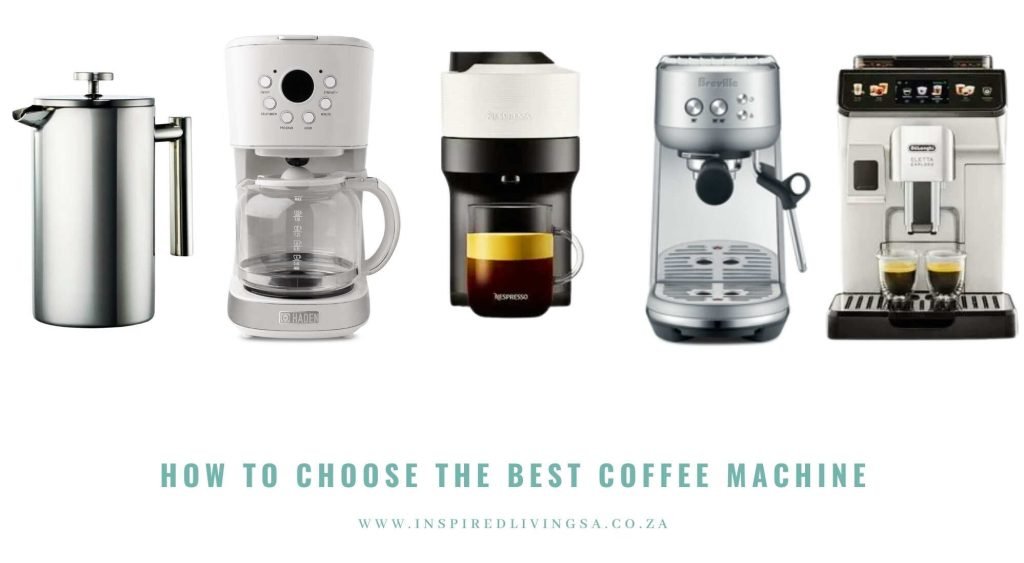
Manual espresso machinesneed skill and practice. You control the grind, tamping, and water flow. This gives you full control but takes time. Great for those who enjoy the process.
Semi-automatic machinesuse a pump to push water. You start and stop the shot manually. Easier than manual but still requires some effort. Good balance of control and convenience.
Automatic and super-automatic machineshandle most steps for you. They grind, tamp, brew, and sometimes clean. Perfect for fast, consistent espresso without much work.
Capsule and pod machinesuse pre-packaged coffee pods. Very simple to use. Just insert a pod and press a button. Less control, but quick and mess-free.
Credit: www.breville.com
Key Features To Consider
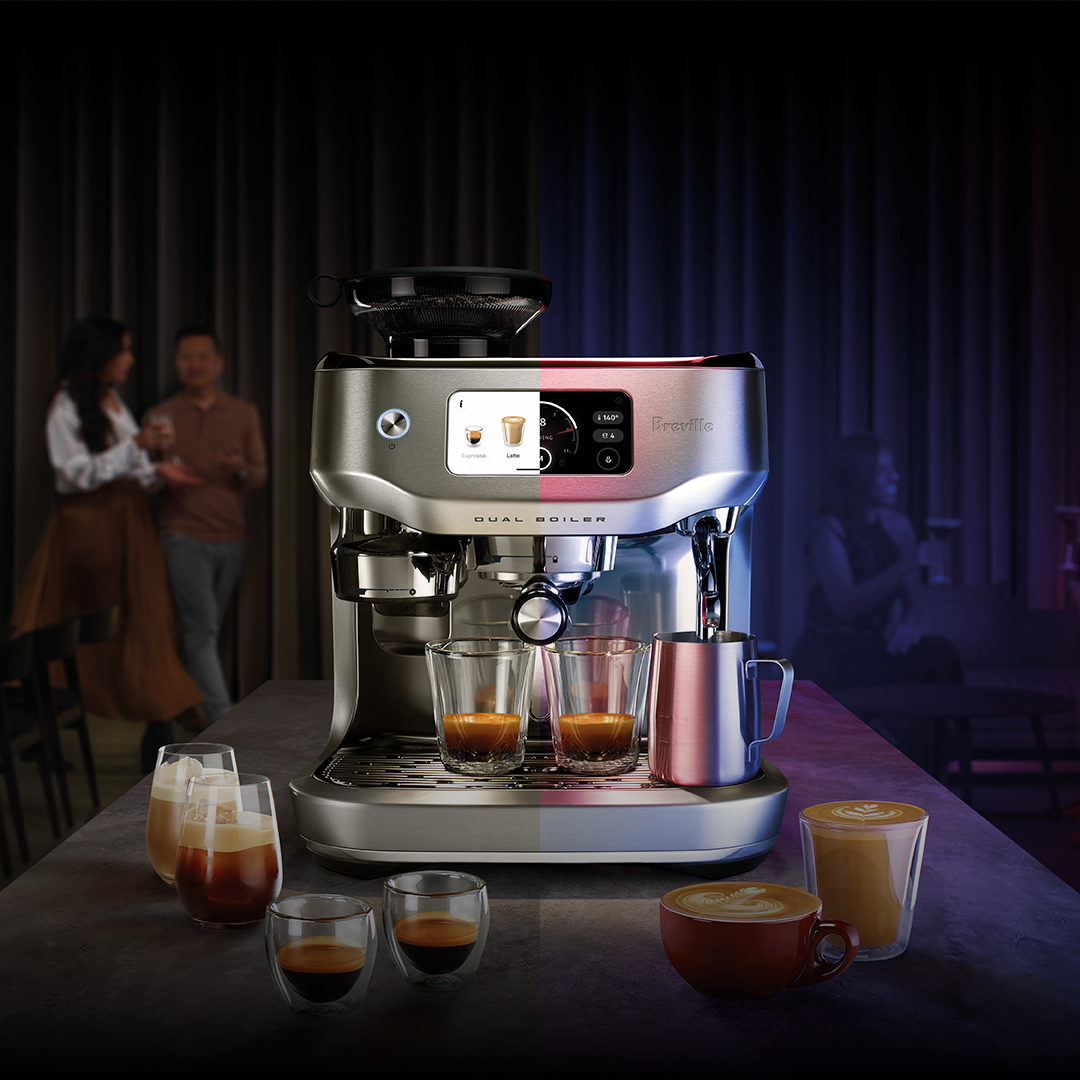
Boiler and heating systemaffect how fast the machine heats water. Some machines have single boilers, good for simple espresso. Dual boilers let you brew and steam milk at the same time. Temperature stability is key for a tasty espresso.
Pressure and pump qualitycontrol the water force through the coffee grounds. A steady 9 bars of pressure is ideal. Better pumps make the espresso taste richer and fuller.
Portafilter size and materialimpact the coffee flavor and ease of use. Larger portafilters hold more coffee for stronger espresso. Metal portafilters stay hot longer and are more durable than plastic ones.
Steam wand and frothing capabilityare important if you like milk drinks. A powerful steam wand creates creamy, smooth froth. Some machines have adjustable steam pressure for better control.
Machine Size And Design
Espresso machines come in various sizes. It is important to measure your counter spacebefore buying one. Some machines are compact and fit small areas. Others need more room for parts and accessories. Choose a size that fits your kitchen well.
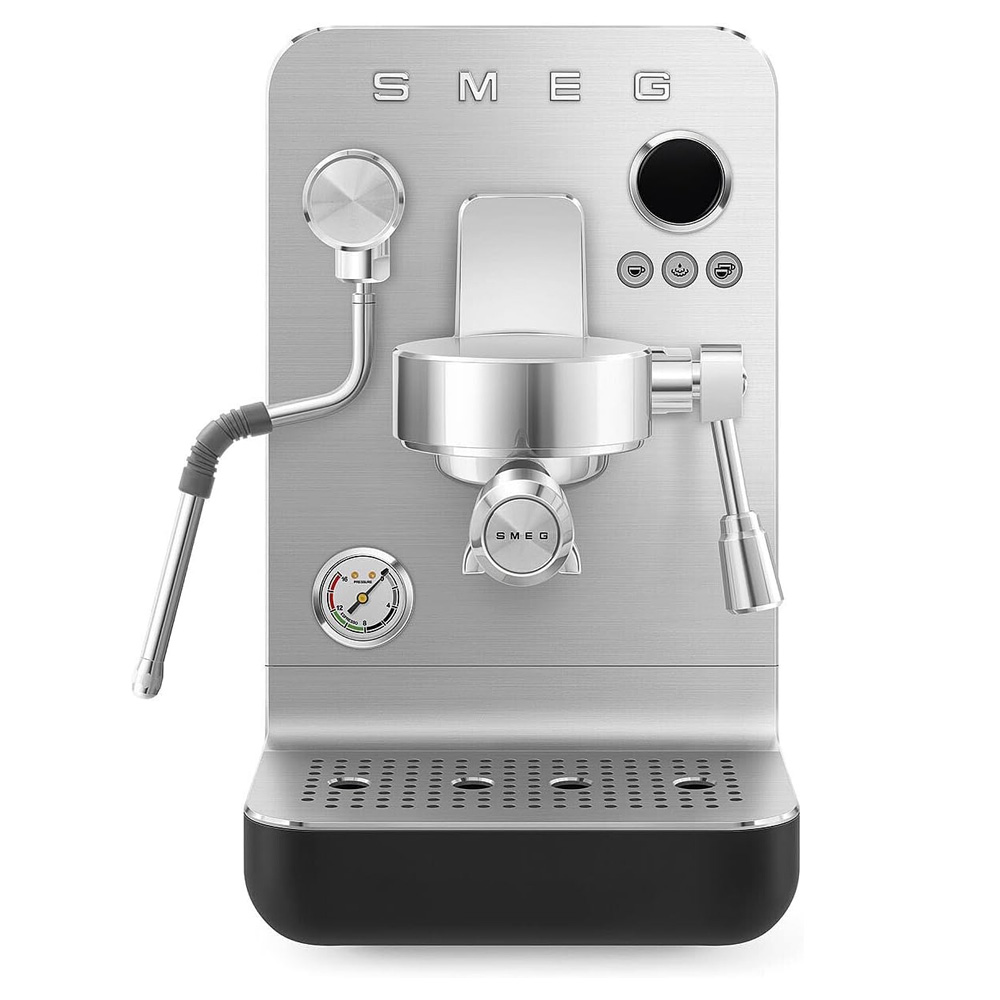
The design of the machine should match your kitchen style. There are modern, classic,and retrostyles available. Pick a machine with a look you enjoy seeing daily. This makes your coffee area inviting and pleasant.
| Build Quality | Durability |
|---|---|
| Stainless steel body | Resists rust and lasts long |
| Plastic parts | Lightweight but less durable |
| Metal components | Strong and sturdy for daily use |
Credit: www.tomsguide.com
Ease Of Use And Maintenance
Simple controlsmake using the espresso machine easy for everyone. Buttons and knobs should be clear and large enough to see. A good user interface helps you select options fast without confusion.
Cleaning and descaling keep the machine working well. Machines that remind you to clean or have easy cleaning steps save time. Descaling removes mineral buildup and keeps coffee tasting fresh.
Removable parts like the water tank and drip tray make cleaning quick. Accessibility to parts means less hassle when fixing or replacing pieces. Machines with many removable parts often last longer and stay cleaner.
Budget And Price Ranges
Choosing an espresso machine depends a lot on your budget. Machines fall into three main price groups. Entry-level options are best for beginners or casual users. They cost less and are simple to use. These machines usually have fewer features but still make good espresso.
Mid-range machines offer a balance of price and features. They have better build quality and more control over brewing. These are great for people who want to improve their coffee skills without spending too much.
High-end espresso makers are for serious coffee lovers. They come with advanced features like precise temperature control and strong pumps. These machines cost the most but deliver the best espresso quality. They are often used in cafes or by enthusiasts.
| Price Range | Features | Best For |
|---|---|---|
| Entry-Level (Under $200) | Basic functions, easy to use | Casual users, beginners |
| Mid-Range ($200 – $700) | Better build, more control | Home baristas, coffee lovers |
| High-End ($700+) | Advanced features, premium quality | Enthusiasts, cafes |
Additional Accessories
Grindersare essential for fresh coffee. They break beans into small pieces. Consistent grind size helps espresso taste better. Choose a grinder with adjustable settings for fine control.
Tamperspress coffee grounds evenly in the portafilter. This ensures water flows uniformly during brewing. A good tamper fits your portafilter size and feels comfortable in your hand.
Water filtersimprove water quality by removing impurities. Cleaner water makes espresso taste pure and prevents machine damage. Many machines have built-in filter slots or use external filters.
Milk frothing pitchershelp create creamy foam for lattes and cappuccinos. Look for pitchers with a spout for easy pouring. Stainless steel pitchers are durable and easy to clean.
Tips For Brewing Perfect Espresso
Choosing the right coffee beansis key for a rich espresso. Use fresh, high-quality beans. Dark roast beans often work best. Store beans in an airtight container to keep flavor.
Grinding consistencymatters a lot. Use a burr grinder for even grind size. Too fine or too coarse grind affects taste and extraction. Consistent grind helps get the perfect shot.
Water quality and temperatureaffect espresso flavor. Use clean, filtered water without strong taste or smell. Ideal water temperature is about 90-96°C (194-205°F). Too hot or cold water changes taste.
Extraction timeshould be between 25 to 30 seconds. Too short means weak flavor. Too long causes bitterness. Adjust grind size and tamp pressure to control time.
Frequently Asked Questions
What Features Should I Look For In An Espresso Machine?
Look for pressure consistency, build quality, ease of use, and cleaning features. A good machine offers stable temperature and 9-bar pressure for perfect extraction.
How Much Should I Spend On A Quality Espresso Machine?
Expect to spend between $100 and $1,000. Entry-level machines suit beginners, while advanced models provide better control and durability.
Should I Choose A Manual Or Automatic Espresso Machine?
Manual machines offer control but require skill. Automatic machines simplify brewing with consistent results, ideal for beginners or busy users.
How Important Is The Grinder In An Espresso Machine?
Very important. Fresh, consistent grind size ensures optimal flavor and extraction. Some machines have built-in grinders for convenience and better taste.
Conclusion
Choosing the right espresso machine takes time and thought. Consider your budget, space, and how often you will use it. Think about the features you need and how easy it is to clean. Test machines if you can, to see what feels best.
Remember, the best machine fits your style and needs. Enjoy making coffee at home with confidence and ease. A good choice leads to many great cups ahead.