
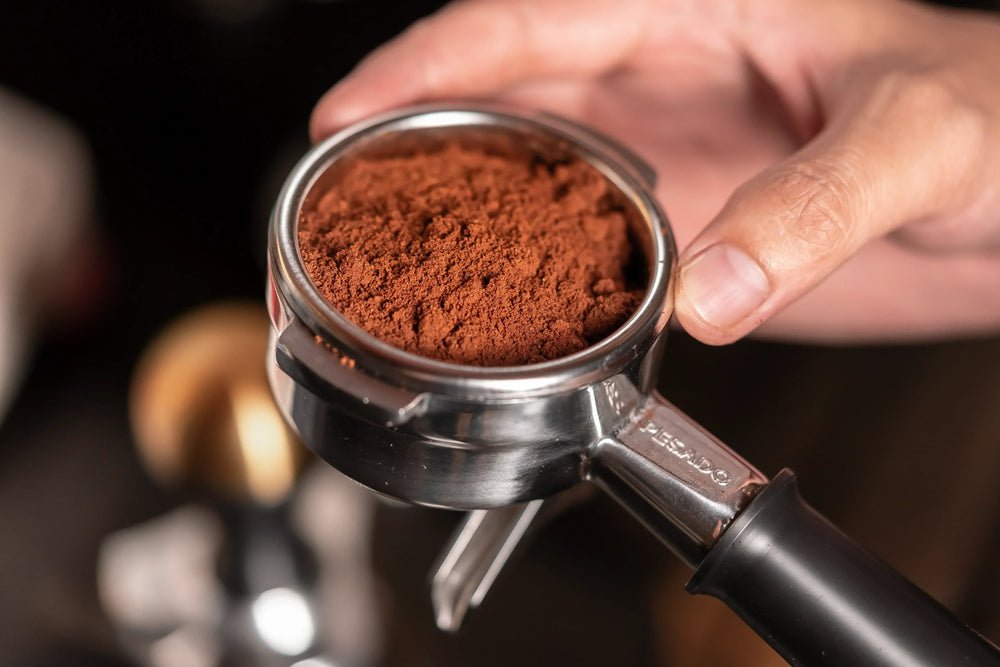
If you want to make the perfect espresso at home, measuring your coffee grounds just right is key. Too much or too little can ruin the taste and leave you frustrated.
But don’t worry—this guide will show you exactly how to measure your coffee grounds for espresso like a pro. By the end, you’ll know the simple tricks that ensure every shot is rich, smooth, and full of flavor. Ready to upgrade your espresso game?
Let’s dive in!
Choosing The Right Coffee Beans
Arabicaand Robustaare the main bean types. Arabica beans have a sweeter, softer taste, while Robusta beans are stronger and bitter. Espresso usually uses Arabica or a blend for better flavor.
Roast levelsaffect taste too. Light roastskeep more original bean flavor. Medium roastsbalance acidity and body. Dark roastscreate a rich, bold taste. Most espresso uses medium or dark roasts.
- Keep beans fresh:Store in an airtight container.
- Avoid light and heat:Keep beans in a cool, dark place.
- Buy small amounts:Use beans within two weeks for best taste.
- Grind just before brewing:Preserves freshness and aroma.
Essential Tools For Measuring
Digital scalesoffer precise measurement of coffee grounds. They measure in grams and ensure consistency. Scales help avoid using too much or too little coffee.
Scoopsare simple and quick but less accurate. Different scoops hold different amounts of coffee. This can cause uneven espresso taste.
| Tool | Pros | Cons |
|---|---|---|
| Digital Scales | Accurate, consistent, easy to use | Requires power, usually more expensive |
| Scoops | Fast, no power needed, simple | Less precise, varies by scoop size |
Grinderschange the size of coffee grounds. Finer grounds create stronger espresso. Coarser grounds make weaker coffee. Consistent grind size is key for good espresso.
Adjust grinder settings to get the right size. Freshly ground coffee always tastes better than pre-ground.
Ideal Coffee Dose For Espresso
Measuring coffee grounds precisely ensures a balanced espresso shot. Use about 18-20 grams of coffee for a double shot. A kitchen scale helps achieve consistent results every time.
Standard Dosage Guidelines
The usual amount of coffee grounds for espresso is 18 to 20 grams. This range fits well in most espresso machines. Using a scale helps measure coffee accurately. Too little coffee makes espresso weak. Too much coffee can cause bitter taste. The grind size also affects the dose. A fine grind allows better extraction.
Adjusting For Taste Preferences
Adjust the dose by 1 to 2 gramsfor taste. A smaller dose means a lighter shot. A larger dose creates a stronger, richer espresso. Taste test each change. Keep notes to remember your best dose. Water temperature and pressure also impact flavor.
Step-by-step Measuring Process
Use a kitchen scale to weigh coffee beansprecisely. For a single espresso shot, about 18-20 gramsof beans is ideal. Place a small container on the scale and tare it to zero. Pour the beans carefully until the desired weight is reached. This ensures consistencyin every cup.
Grinding should create a texture similar to fine sand. If the grind is too coarse, the espresso will taste weak and watery. Too fine, and the water may not flow properly. Adjust your grinder to get the perfect balance for a rich and smooth flavor.
Tampingmeans pressing the grounds evenly into the portafilter. Apply firm, steady pressure with a tamper. This creates a compact puckthat water can flow through evenly. Uneven tamping can cause channeling, leading to weak or bitter espresso.
Common Measuring Mistakes
Measuring coffee grounds too loosely can cause weak espresso. Using the wrong scoop size often leads to inconsistent taste. Always level the grounds for the best results.
Overdosing And Underdosing Effects
Inconsistent Grinding And Tamping
Measuring coffee grounds for espresso is a precise process. A small mistake can lead to poor taste and texture. Overdosing coffee grounds can cause bitterness and a bad flavor. It can also lead to a clogged machine. On the other hand, underdosing can result in a weak or bitter shot. The grind size and tamping pressure also affect the shot’s quality. Using the wrong grind size can lead to poor extraction, while inconsistent tamping can cause uneven flavor distribution. A table shows the effects of overdosing and underdosing:| Overdosing | Underdosing |
|---|---|
| Bitter taste and flavor | Weak or bitter shot |
| Clogged machine | Poor extraction |
| Uneven flavor distribution | Uneven flavor distribution |

Credit: fullyhealthy.com
Tips For Consistent Results
Calibration keeps measurements precise. Use a small digital scale. Weigh your coffee grounds each time. This ensures the same amount every use. Even small changes affect taste. Regular checks keep coffee tasting great.
Clean tools for best performance. Regular cleaning prevents buildup. Buildup affects flavor and machine function. Use a brush to clean grinder parts. Check grinder blades for wear. Replace them if dull or broken. Sharp blades grind evenly.
Adjusting Measurements For Different Machines
Different espresso machines need different coffee ground amounts. Home espresso machinesusually require 7 to 10 gramsfor a single shot. This amount fits most portafilters and gives a good taste.
Commercial espresso machinesuse larger portafilters. They often need 18 to 20 gramsor more for a double shot. This helps get a stronger, richer espresso.
| Machine Type | Ground Coffee Amount | Shot Type |
|---|---|---|
| Home Espresso Machine | 7 – 10 grams | Single shot |
| Commercial Espresso Machine | 18 – 20 grams | Double shot |
Always check your machine’s guide for the best coffee ground amount. Small changes can affect the espresso’s flavor and strength.

Credit: home.lamarzoccousa.com

Credit: www.brewingwithdani.com
Frequently Asked Questions
How Much Coffee Grounds For A Single Espresso Shot?
A single espresso shot typically requires 7 to 9 grams of coffee grounds. This amount ensures a balanced flavor and proper extraction. Using too much or too little can affect the taste and crema quality.
What Is The Ideal Grind Size For Espresso Coffee?
Espresso requires a fine grind size, similar to table salt. This allows water to pass through at the correct rate, extracting rich flavors. Adjust grind size if the shot pulls too fast or slow.
Should I Weigh Or Scoop Coffee Grounds For Espresso?
Weighing coffee grounds with a scale is more accurate than scooping. It ensures consistent doses, improving espresso quality and taste. Scooping can lead to uneven amounts and inconsistent results.
How Do I Measure Coffee Grounds Without A Scale?
If no scale is available, use a standard espresso scoop holding about 7 grams. Level the scoop for consistent dosing. However, a scale is recommended for precise measurement and better results.
Conclusion
Measuring coffee grounds for espresso helps make great coffee every time. Use a scale or scoop for accuracy. Adjust the amount to suit your taste. Remember, small changes affect flavor and strength. Practice often to find your perfect balance. Enjoy the rich, bold taste of well-measured espresso grounds.
Simple steps lead to better coffee moments. Keep experimenting and have fun with your coffee routine.