
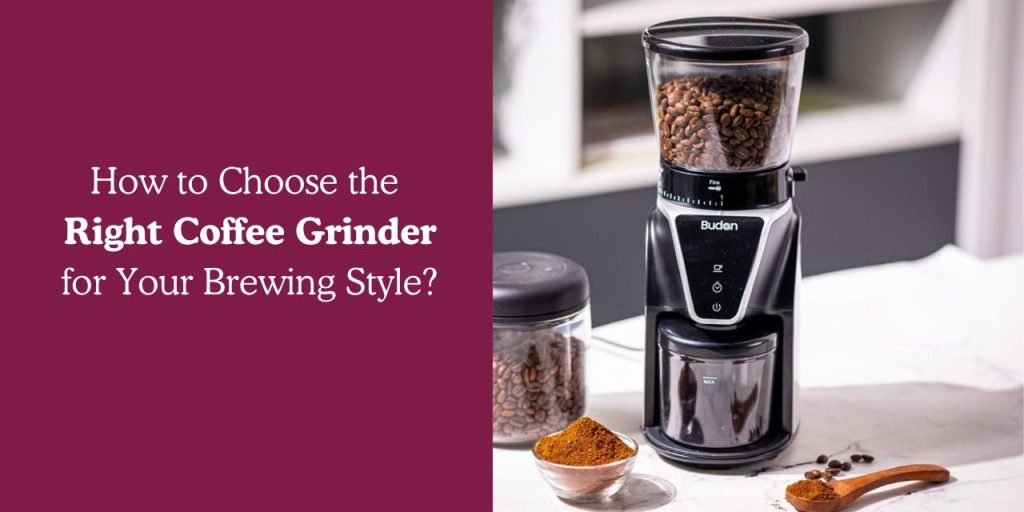
Choosing the right coffee grinder can make all the difference in how your coffee tastes. If you’re serious about your brew, you know that a good grinder is key to unlocking the freshest flavors.
But with so many options out there, how do you pick the perfect one for your needs? This guide will help you understand exactly what to look for and avoid common mistakes. By the end, you’ll feel confident selecting a grinder that matches your style and elevates every cup you make.
Ready to take your coffee game to the next level? Keep reading.
Grinder Types
Blade grinderschop beans with a fast spinning blade. They are usually cheaper but can create uneven grind sizes. This can affect the taste of the coffee. Good for quick, simple use.
Burr grinderscrush beans between two burrs. They give a more consistent grind, which is better for flavor. They come as flat or conical burrs. Preferred by coffee experts.
| Manual | Electric | |
|---|---|---|
| Power Source | No electricity needed | Runs on electricity |
| Effort | Requires hand grinding | Grinds automatically |
| Portability | Easy to carry | Heavier, less portable |
| Noise | Quiet | Usually noisy |
| Price | Generally cheaper | Can be expensive |

Credit: somethingsbrewing.in
Grind Size Importance
The coarse to fine spectrumis key in coffee grinding. Coarse grinds suit French press, while fine grinds are best for espresso. Different brewing methods need different grind sizes to get the best flavor.
Impact on coffee flavoris strong. Coarse grind leads to a lighter, less bitter taste. Fine grind creates a stronger, bold flavor. The right grind size balances bitterness and sourness.
Grind consistencymeans all coffee particles are the same size. Consistent grind helps water flow evenly through coffee grounds. This improves extraction and flavor. Inconsistent grind causes weak or bitter coffee.
Material And Build Quality
Burr materialaffects grind quality and lifespan. Common types include:
- Steel burrs:Durable and sharp, great for regular use.
- Ceramic burrs:Stay sharp longer, resist heat, but can chip.
- Flat burrs:Provide consistent grind, ideal for espresso.
- Conical burrs:Quieter and less heat build-up.
Body constructionplays a big role in grinder stability and feel. Materials like:
- Metal:Strong and sturdy, lasts longer.
- Plastic:Lightweight but less durable.
- Wood accents:Offer style but need care.
Check durability factorslike:
- Quality of burr attachment
- Resistance to wear and tear
- Ease of cleaning and maintenance
Grind Settings And Adjustability
Number of settingsaffects how fine or coarse your coffee grounds become. More settings give more control over grind size. Fewer settings mean quick adjustments but less precision.
Stepless grindersallow smooth, continuous changes. This helps find the perfect grind size. They suit coffee experts who want exact control.
Stepped grindershave fixed steps or clicks. Each step is a preset grind size. They are easy to use and good for beginners or simple brewing methods.
Precision controlslet you adjust the grind with small changes. This is important for espresso and pour-over coffee. Precise grind size helps get the best flavor from coffee beans.
Capacity And Size
Bean hopper sizeaffects how much coffee you can grind at once. A larger hopper means fewer refills, which is good for busy mornings. Smaller hoppers save space and keep beans fresher if you grind often.
The ground coffee containersize matters too. A bigger container holds more ground coffee, so you can make several cups without stopping. Some models let you grind directly into a portafilter or cup for convenience.
Think about your counter space. Big grinders need more room and can feel bulky. Smaller grinders fit well in tight kitchens but may have less capacity. Measure your space before choosing.
Speed And Heat Management
RPM Effects: High RPM causes beans to heat up quickly. This can lead to bitter flavors.
Heat Impact on Beans: Excessive heat destroys delicate coffee oils. It ruins flavor and aroma.
Slow Grind Benefits: Grinding at slower speeds preserves coffee’s natural flavors.
RPM is a key factor in coffee grinding. High RPM grinders can generate heat, damaging beans.
Heat-sensitive coffee beans require careful grinding to preserve their flavor and aroma.
Slow grind grinders, on the other hand, help to minimize heat generation and preserve coffee’s natural flavors.
Low-speed grinders use slower RPMs to reduce heat and preserve delicate coffee oils.
These grinders help to maintain the coffee’s natural flavor and aroma, producing a more balanced cup.
High-speed grinders, however, can generate excessive heat, damaging coffee beans and resulting in a bitter taste.
Coffee beans are sensitive to heat and can quickly become damaged.
Slow grind grinders help to minimize heat generation and preserve coffee’s natural flavors.
Opting for a low-speed grinder ensures a more balanced cup of coffee with a rich flavor.
Noise Levels
Decibel ratingsshow how loud a grinder is. Lower decibel means quieter noise. Most grinders fall between 60 and 80 decibels. A rating below 70 is good for home use.
Some grinders are made to be quiet. These use special parts or motors to reduce sound. They work well in small kitchens or early mornings.
- Look for grinders with sound insulation.
- Grinders with slower grinding speedsoften make less noise.
- Blade shapecan affect noise levels.
Choosing a grinder with noise reduction featureshelps keep noise low. Rubber feet or padded covers absorb sound. This keeps grinding quieter and less annoying.
Ease Of Cleaning
Choose a grinder with removable parts. It makes cleaning easier and faster. Parts like the hopper and burrs should come off without tools. This helps remove leftover coffee grounds that affect taste.
Use cleaning brushesdesigned for grinders. They reach small spaces and keep burrs clean. Some grinders come with these tools included.
| Maintenance Tips | Details |
|---|---|
| Regular Cleaning | Clean parts after every use to prevent oil buildup. |
| Deep Cleaning | Disassemble and wash removable parts monthly. |
| Use Dry Cloth | Wipe grinder body with a dry cloth only. |
| Avoid Water on Burrs | Keep burrs dry to prevent rust and damage. |
Additional Features
Dosing optionshelp control the amount of coffee ground each time. Some grinders have built-in dosing chambers for easy measurement. This feature saves time and reduces waste. It ensures consistent coffee strength.
Timer settingsallow grinding for a set period. This feature offers precise control over grind size and amount. It is helpful for busy mornings or shared kitchens. Timer settings improve consistency.
Portafilter compatibilitymeans the grinder fits your espresso machine’s portafilter directly. This reduces mess and makes grinding faster. Some grinders have special holders or adapters for this purpose. It is ideal for espresso lovers.

Credit: www.getbestify.com
Budget And Brand Choices
Choosing a coffee grinder depends on budgetand brand trust. Grinders range from $50 to $500. Basic models suit casual users, while experts prefer higher-end grinders for precise control.
| Price Range | Features | Who It’s For |
|---|---|---|
| $50 – $150 | Basic grinding, limited settings | Casual coffee drinkers |
| $150 – $300 | More grind settings, better consistency | Intermediate users |
| $300 and above | Precise grind control, durable build | Experts and professionals |
Top brands favored by experts include Baratza, Breville, and Rancilio. These brands offer reliable performanceand long-lasting parts. Warranty and customer support vary. Check for at least a 1-2 year warranty. Good support helps with repairs or replacements.

Credit: iamzchef.com
Frequently Asked Questions
What Types Of Coffee Grinders Do Experts Prefer?
Experts prefer burr grinders for their consistent grind size and flavor extraction. Burr grinders offer precision and control, essential for quality coffee brewing.
How Important Is Grind Size Consistency In Coffee Grinders?
Grind size consistency is crucial. It ensures uniform extraction, preventing over or under-extraction. This results in a balanced and flavorful cup.
Should I Choose Manual Or Electric Coffee Grinders?
Experts choose electric grinders for convenience and speed. Manual grinders suit those who value control and portability. Both can produce quality grinds.
What Features Matter Most In A Professional Coffee Grinder?
Key features include grind size settings, motor power, and build quality. A grinder with adjustable settings and durable parts enhances brewing precision and longevity.
Conclusion
Choosing the right coffee grinder takes thought and care. Focus on grind size, durability, and ease of use. A good grinder brings out the best coffee flavor. Trust your taste and needs to guide you. Small details make a big difference in brewing.
Enjoy the process of finding your perfect grinder. Freshly ground beans always improve your coffee experience. Keep learning and trying new options for better coffee. Your perfect grinder is out there—find it with patience.