
Are you struggling to get the perfect shot of espresso? The secret often lies in one simple step: adjusting your grind settings.
Getting this right can transform your coffee from bitter or weak to rich and flavorful. In this guide, you’ll learn exactly how to tweak your grinder to match your espresso machine and taste preferences. By the end, you’ll have the confidence to pull shots that taste just the way you want, every single time.
Keep reading to unlock the key to espresso perfection.
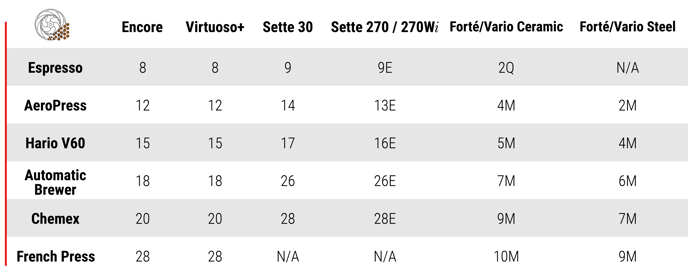
Credit: support.clivecoffee.com
Grind Size And Espresso Quality
The grind sizeplays a big rolein espresso taste. Finer grinds give a stronger and richerflavor. Coarser grinds make the espresso weaker and more watery. Espresso needs a fine grindto extract the best flavors.
Too fine a grind causes over-extraction. The shot tastes bitter and harsh. Too coarse a grind leads to under-extraction. The coffee tastes sour and weak. Finding the right balanceis key.
| Grind Size | Effect on Flavor | Extraction |
|---|---|---|
| Fine | Strong, rich, sometimes bitter | Over-extraction risk |
| Coarse | Weak, watery, sometimes sour | Under-extraction risk |
Tools For Adjusting Grind Settings
There are several types of grindersused for espresso. Burr grinders are the most common. They crush beans between two burrs to give a consistent grind. Blade grinders chop beans, but their grind is uneven.
The grind adjustment dialhelps change the grind size. Turning the dial to a finer setting makes the grind smaller. A coarser setting gives bigger particles. This affects how fast water passes through the coffee.
| Grinder Type | How It Works | Best For |
|---|---|---|
| Burr Grinder | Crushes beans between two burrs | Consistent espresso grind |
| Blade Grinder | Chops beans with a blade | Basic grinding, less consistent |
Steps To Adjust Grind Settings
Begin with a standard grind settingsuggested by your espresso machine. This gives a baselineto work from. It is usually a medium-fine grind.
Make small changesto the grind size. Adjust only a little at a time. This helps avoid big mistakes. If the coffee brews too fast, grind finer. If it brews too slow, make it coarser.
Test each adjustment by brewing a shot. Pay attention to taste and timing.A good espresso shot takes about 25 to 30 seconds. Taste should be balanced, not too bitter or sour.
- Use consistent coffee doseeach time you test.
- Note the grind setting and shot time.
- Repeat until the espresso tastes right.

Credit: www.reddit.com
Troubleshooting Common Issues
Under-extractionhappens when water passes too quickly through coffee. The taste is often sour, weak, and thin. The shot may be watery with light crema. This means the grind is too coarse or the dose is too low.
Over-extractionresults from water passing too slowly. It causes a bitter, harsh, and drytaste. The espresso may have a dark, thick crema and feel heavy. The grind is likely too fine or the dose too high.
| Issue | Symptoms | Likely Cause |
|---|---|---|
| Under-extraction | Sour taste, weak flavor, watery shot | Grind too coarse, low dose, fast water flow |
| Over-extraction | Bitter taste, harsh flavor, thick crema | Grind too fine, high dose, slow water flow |
Tips For Consistent Grinding
Regular grinder maintenancekeeps your espresso tasting fresh and consistent. Clean the burrs often to avoid old coffee oils building up. Check for any worn parts and replace them on time. A well-maintained grinder helps deliver a steady grind size every time.
Measuring dose and timeis key to consistent espresso shots. Use a scale to weigh your coffee dose precisely. Time the shot to ensure it extracts within the ideal range, usually 25 to 30 seconds. Small changes in dose or time can affect flavor and strength.
- Clean grinder burrs weekly
- Replace worn parts regularly
- Use a scale for accurate coffee dose
- Time espresso shots carefully
- Adjust grind size based on shot time

Credit: www.reddit.com
Frequently Asked Questions
How Do Grind Settings Affect Espresso Taste?
Grind settings control extraction speed and flavor balance. Finer grinds increase extraction, enhancing bitterness. Coarser grinds reduce extraction, making espresso sour. Adjusting grind size helps achieve a balanced, rich taste.
When Should I Adjust Espresso Grind Size?
Adjust grind size when espresso tastes too bitter or sour. Also, change settings if shot time is too fast or slow. Small tweaks improve extraction and flavor consistency.
What Grind Size Is Best For Espresso Machines?
Espresso machines require a fine, consistent grind. It should feel like table salt or slightly finer. Proper grind size ensures optimal pressure and rich crema formation.
How Often Should I Recalibrate Grind Settings?
Recalibrate grind settings weekly or when coffee beans change. Environmental factors like humidity also affect grind consistency. Regular adjustments ensure consistent espresso quality.
Conclusion
Adjusting your espresso grind settings takes practice and patience. Small changes can affect the taste a lot. Test different settings to find what you like best. Keep notes to remember which grind works well. A good grind makes your espresso rich and smooth.
Enjoy the process and have fun brewing your perfect cup.