
Choosing the right coffee beans for large batch brewing can make all the difference in your daily coffee experience. You want your coffee to taste rich, fresh, and full of flavor every single time you brew a big pot.
But with so many options out there, how do you know which beans will work best for your needs? This guide will help you understand exactly what to look for when picking coffee beans for large batches, so you can enjoy smooth, satisfying coffee without any guesswork.
Keep reading to discover simple tips that will transform your brewing routine and elevate your coffee game.
Choosing The Right Coffee Bean Type
Arabicabeans have a sweet, soft taste with hints of sugar and fruit. They usually have less caffeine. Robustabeans are stronger and bitter with more caffeine. They create a thicker crema on espresso. Choosing between these depends on taste and caffeine needs.
Single origin beans come from one place. They show unique flavors tied to that region. Blends mix beans from different places. This balances flavors and creates a smoother taste. Blends can be good for large batches since they keep flavor consistent.
Considering Roast Levels
Light roast coffee has a bright, fruity taste. The beans are not roasted for long. This keeps their original flavors intact. Light roast is good for those who like a mild cup. The caffeine content is higher than darker roasts. This can give you more energy in the morning.
Medium roast coffee offers a balanced flavor. It has a mix of sweet and bitter notes. The beans are roasted longer than light roasts. This brings out caramel and nutty flavors. Many people enjoy the smooth taste of medium roasts. They are a popular choice for large batch brewing.
Dark roast coffee has a strong and bold flavor. The beans are roasted for a long time. This gives them a smoky and rich taste. The oils are visible on the beans’ surface. Dark roast is less acidic than lighter roasts. It is perfect for those who enjoy a deep, intense coffee.
Evaluating Bean Freshness
Roast datetells how fresh the coffee beans are. Beans are best used within two to four weeksafter roasting. Older beans lose flavor and aroma. Always check the roast date on the package before buying. Avoid beans without a clear roast date to ensure quality.
Proper storagekeeps beans fresh longer. Store beans in an airtight containeraway from light, heat, and moisture. Keep them in a cool, dark place. Avoid the fridge or freezer, as moisture can spoil the beans. Only grind beans just before brewing for the best taste.
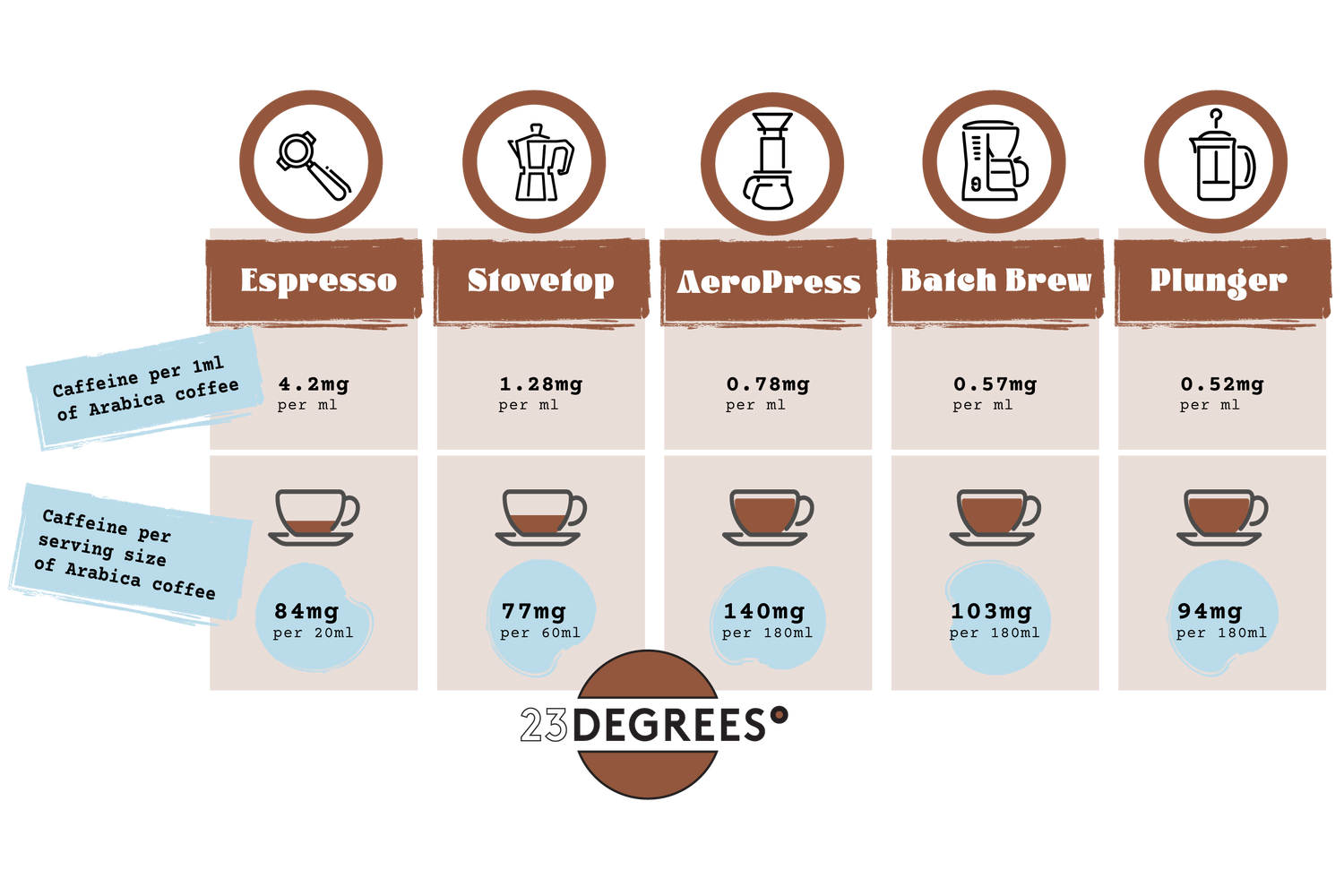
Credit: www.23degrees.com.au
Flavor Profiles For Large Batches
Choosing the right coffee beans means finding a good balance between acidityand body. Acidity gives the coffee a bright and lively taste. Body refers to how thick or rich the coffee feels in your mouth. For large batch brewing, beans with medium acidity and medium to full body work well. This keeps the flavor smooth and enjoyable for many cups.
Flavor notes are the small details that make coffee special. Some beans have fruity or floral notes, while others taste nutty or chocolatey. Picking beans with simple and clear flavor notes helps keep the coffee consistent. Avoid overly sharp or very strong flavors, as they can taste different when brewed in large amounts.
Sourcing Beans For Bulk Brewing
Direct trademeans buying coffee straight from farmers. This helps ensure better qualityand fair pricesfor growers. Ethical sourcing supports farmers’ communitiesand protects the environment.
Wholesale suppliers offer large amounts of beans at lower costs. Prices depend on bean quality, origin, and quantity. Buying in bulk saves money but requires good storage to keep beans fresh.
| Supplier Type | Price Range | Benefits | Considerations |
|---|---|---|---|
| Direct Trade | Moderate to High | Better quality, ethical | Requires strong relationships |
| Wholesale Suppliers | Low to Moderate | Lower price, large quantity | Check freshness and origin |
Grinding Considerations For Large Batches
Choosing the right grind sizeaffects how the coffee brews in large batches. A grind too fine can cause over-extraction and bitterness. A grind too coarse may lead to weak, under-extracted coffee. The ideal grind size depends on the brewing method used.
Consistency in grindingis vital for even extraction. Uneven grind sizes cause some coffee to brew faster than others. This creates a mix of bitter and sour flavors. Using a quality grinder helps keep the grind size uniform.
- Use burr grinders for steady, consistent grind size.
- Adjust grind size based on brew time and filter type.
- Test small batches to find the best grind size for your setup.
Testing And Adjusting For Scale
Testing different bean types helps find the best flavor for large batches. Adjust grind size and brew time to maintain taste consistency. Small changes can affect the final cup in big brews.
Small Batch Trials
Brewing coffee in small batches helps find the right taste. Use different beans to see which ones work best. Take notes on each trial. This helps remember which beans taste good. Use fresh water and the right temperature. Keep track of the brewing timetoo. Small changes can make a big difference. Taste the coffee and decide what needs fixing. Small tests save time and coffee.
Scaling Recipes
Once the taste is right, it’s time to scale. Multiply the ingredientsfor larger batches. Keep the same ratio of coffee to water. This ensures the flavor stays the same. Adjust brewing time as needed. Larger batches might need more time. Consistency is key. Always double-check your measurements. This keeps every pot tasting just right.
Credit: www.coffeeness.de
Credit: angelinos.com
Frequently Asked Questions
What Coffee Bean Types Suit Large Batch Brewing Best?
Arabica beans are preferred for large batch brewing due to their smooth, balanced flavor. Robusta beans offer stronger, more bitter notes but higher caffeine. A blend can provide complexity and consistency for big batches.
How Does Roast Level Affect Large Batch Brewing?
Medium roasts balance acidity and body, ideal for large batches. Light roasts highlight origin flavors but can be too bright. Dark roasts create bold, smoky brews but may overpower large quantities.
Should I Buy Whole Beans Or Pre-ground For Large Batches?
Whole beans preserve freshness longer and offer better flavor control. Grinding just before brewing ensures optimal taste. Pre-ground coffee loses aroma quickly, which can reduce quality in large batch brews.
How Much Coffee Should I Use Per Liter For Large Batches?
Use about 55 grams (roughly 8 tablespoons) of coffee per liter of water. Adjust according to taste preferences and bean strength. Consistency is key for large batch brewing success.
Conclusion
Choosing the right coffee beans affects the taste of large batches. Fresh beans bring stronger, richer flavors every time. Consider roast level and origin to match your needs. Grinding beans just before brewing keeps coffee fresh. Store beans properly to maintain their quality longer.
Small steps lead to better coffee for many people. Enjoy the process and find what suits you best. Great coffee starts with smart bean choices.