
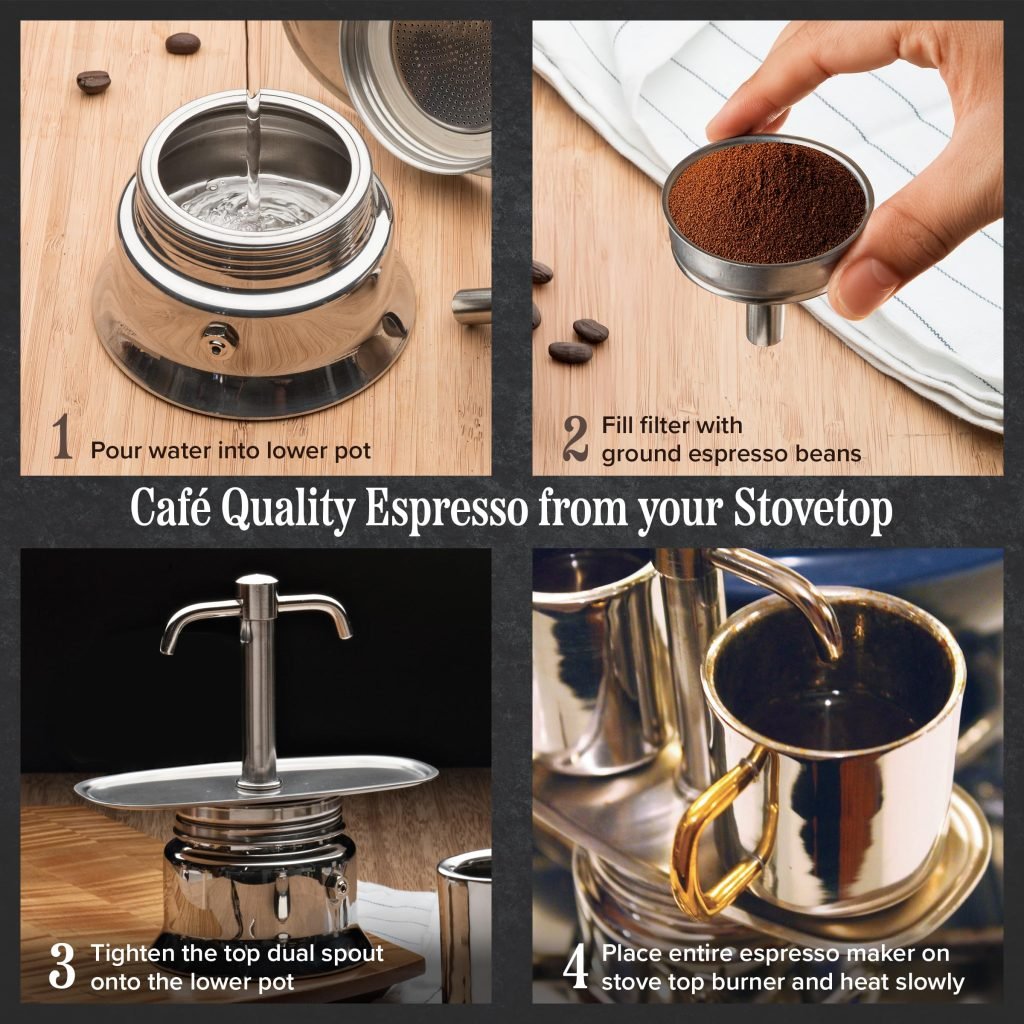
If you love the rich, bold flavor of Italian coffee, learning how to use an espresso machine is your first step to making café-quality drinks at home. Imagine waking up to the perfect espresso shot, just the way you like it—strong, smooth, and full of aroma.
In this guide, you’ll discover simple tips and tricks that turn your espresso machine into a magic tool for crafting authentic Italian coffee. Ready to impress yourself and your guests with every cup? Keep reading, because your coffee ritual is about to change forever.

Credit: somethingsbrewing.in
Choosing The Right Espresso Machine
Espresso machines come in three main types:manual, semi-automatic, and automatic. Manual machines give full control but need practice. Semi-automatic machines help with water pressure but need some skill. Automatic machines do most work for you, perfect for beginners.
Look for key featureslike a built-in grinder, pressure control, and steam wand. A good grinder ensures fresh coffee. Pressure control affects the taste and crema. Steam wands allow frothing milk for lattes and cappuccinos.
| Budget | Quality | Notes |
|---|---|---|
| Low | Basic | Simple machines, fewer features, good for beginners |
| Medium | Good | Better pressure control, some automation, good flavor |
| High | Excellent | Advanced features, precise control, best espresso taste |
Selecting Coffee Beans For Italian Espresso
Arabica beansoffer a sweet and soft taste with hints of fruit. They have less caffeine and are often used for high-quality Italian espresso. Robusta beansare stronger and more bitter with higher caffeine. They add a rich crema and bold flavor to the espresso blend.
Roast levels play a big role in the flavor. Light roastskeep more original bean flavor and acidity. Medium roastsbalance acidity and body well. Dark roastsbring out smoky, bitter, and chocolate notes, common in Italian espresso.
Freshness is key. Coffee starts losing flavor soon after roasting. Store beans in an airtight container away from light, heat, and moisture. Grinding beans just before brewing keeps the flavor strong and fresh.
Preparing The Espresso Machine
Cleaning and maintenancekeep your espresso machine working well. Always clean the portafilter, group head, and steam wand after use. Use a soft brush to remove coffee grounds. Descale the machine regularly to stop mineral build-up. This keeps coffee tasting fresh and the machine lasting longer.
Good water qualitymakes a big difference. Use filtered or bottled water to avoid bad tastes. The water temperature should be around 90-96°C (194-205°F). Too hot or too cold water affects the espresso’s flavor and crema.
Preheating the machineis important. Turn on the machine and let it warm for 15-30 minutes. This helps maintain stable water temperature. Run a shot of hot water through the group head before brewing to clear any cold water.
Grinding Coffee Beans Correctly
The grind sizeis key for a good espresso. It should be very fine, almost like powdered sugar. Too coarse, and the water will flow through too fast, making weak coffee. Too fine, and it will block the water, causing bitter taste.
A burr grinderis best. It crushes beans evenly and keeps flavors intact. Blade grinders can make uneven pieces and ruin taste.
- Use a burr grinder for consistent grind size.
- Start with a fine grind for espresso.
- Adjust grind size slightly to change taste.
- Finer grind means slower water flow, stronger taste.
- Coarser grind means faster flow, lighter taste.
Tamping And Dosing Coffee Grounds
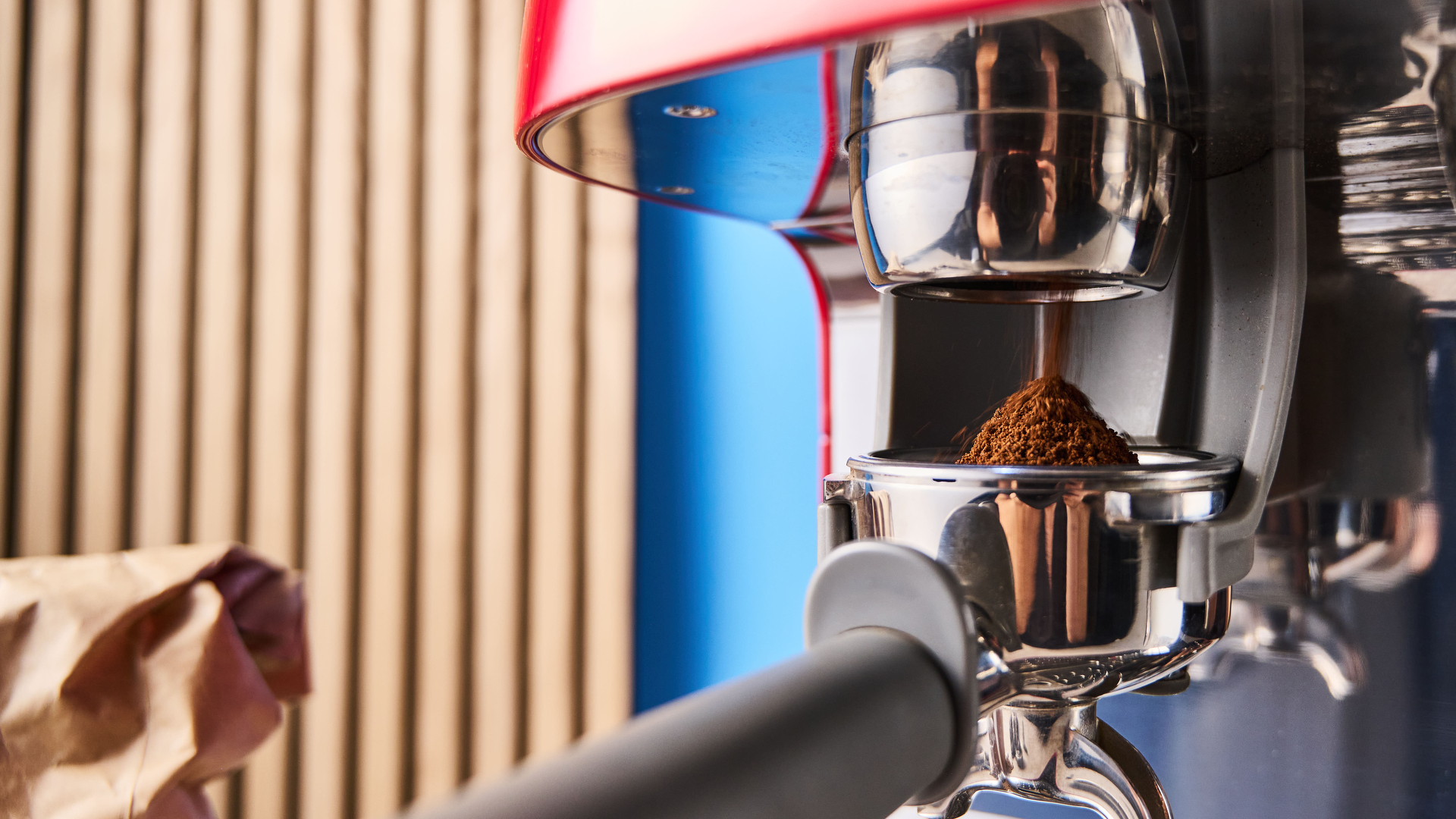
Proper coffee doseis key for rich espresso. Use about 18-20 gramsof ground coffee for a double shot. Too little coffee makes weak espresso. Too much coffee can clog the machine.
Tamping pressure techniqueshelp create even extraction. Press down with about 30 poundsof force. Use a level tamper to compress grounds evenly. Avoid pressing too hard or too soft. Even tamping stops water from flowing too fast.
Avoiding channelingis important. Channeling means water finds easy paths through coffee. It causes weak spots and bad taste. Make sure the grounds are level and tight. Tamp evenly and clean the portafilter rim before brewing.

Credit: www.youtube.com
Extracting The Perfect Espresso Shot
Using an espresso machine requires precise coffee grind size and tamping pressure for the best shot. Control water temperature and extraction time to capture rich Italian coffee flavors. Perfecting these steps results in a smooth, balanced espresso every time.
Ideal Extraction Time
Extraction time is key for a good espresso. Aim for 25 to 30 seconds. This time ensures rich flavor and balanced taste. Too fast, and it tastes sour. Too slow, and it becomes bitter. Always use a timer to keep track. Practice helps in getting the right timing.
Monitoring Crema Quality
Crema is the creamy top layer on espresso. It shows good quality. Crema should be golden brown and thick. Thin or pale crema indicates problems. Check your coffee beans and grind size. Fresh beans and correct grind make better crema.
Troubleshooting Common Issues
- If espresso is too sour, grind coffee finer.
- Bitter taste? Try coarser grind or less coffee.
- Weak espresso may need more coffee grounds.
- Water temperature affects taste. Adjust machine settings.
Steaming And Frothing Milk
Steam milk by heating it with the espresso machine’s steam wand until it feels warm. Froth the milk by introducing air slowly, creating a creamy texture perfect for Italian coffee. This process enhances flavor and adds smoothness to your drink.
Milk Types And Temperature
Different milks make different textures. Whole milk makes creamy foam. Skim milk creates more bubbles. Milk should be cold before steaming. Warm milk won’t foam well. Heat milk to 150°F. Use a thermometer to check.
Creating Microfoam
Microfoam feels smooth and silky. It’s small bubbles in steamed milk. Place steam wand just below milk surface. Tilt the milk jug slightly. Listen for a gentle hissing sound. Move the wand deeper after a few seconds. This helps mix the milk well.
Pouring Techniques For Latte Art
Pouring creates beautiful coffee designs. Hold the cup at an angle. Start pouring from a little height. Bring the jug closer as you pour more. Move your hand slightly to create shapes. Practice makes perfect. Enjoy your artistic coffee!
Credit: www.tomsguide.com
Crafting Classic Italian Coffee Drinks
Espressois the base of many Italian coffee drinks. Use finely ground coffee. Pack it tightly in the portafilter. Brew under high pressure for about 25-30 seconds. The result is a small, strong coffee shot with a rich crema on top.
Cappuccinomixes equal parts espresso, steamed milk, and milk foam. Pour the espresso first, then add hot milk. Top with a thick layer of frothy foam. It should be creamy and light.
Macchiatomeans “stained” or “marked.” Start with a shot of espresso. Add a small dollop of steamed milk or foam. This adds a mild touch to the strong coffee flavor.
Lattehas more steamed milk than cappuccino. Pour the espresso, then add lots of hot milk. Finish with a thin layer of foam. It is smooth and mild, perfect for those who like less strong coffee.
Maintaining Your Espresso Machine
Keeping your espresso machine clean helps it work well and last longer. After each use, rinse the portafilter and wipe the group head to remove coffee grounds. Empty and clean the drip tray daily to avoid buildup. Use a soft cloth to clean the exterior.
Descaling removes mineral deposits that block water flow. Run a descaling solution through the machine every few months. Follow the machine’s instructions carefully. Rinse with fresh water to clear out any leftover solution.
Replace worn parts like gaskets and filters regularly. These parts wear out with use and affect coffee taste. Check the machine manual for part numbers and replacement guides. Keeping parts fresh ensures smooth operation and better coffee.
Frequently Asked Questions
How Do I Prepare My Espresso Machine For Italian Coffee?
Start by cleaning the machine thoroughly and filling the water reservoir. Use fresh, filtered water for the best taste. Preheat the machine to ensure proper brewing temperature before making your Italian espresso.
What Grind Size Is Best For Italian Espresso?
Use a fine grind, similar to table salt. This allows for optimal extraction and rich flavor. Avoid too coarse or too fine grinds to prevent under or over-extraction of your coffee.
How Much Coffee Should I Use Per Espresso Shot?
Use about 7 grams of finely ground coffee for a single shot. This amount balances strength and flavor for authentic Italian espresso. Adjust slightly based on your espresso machine’s guidelines.
How Long Should I Extract An Italian Espresso Shot?
The ideal extraction time is between 25 to 30 seconds. This duration ensures a perfect balance of flavor, body, and crema. Extracting too fast or slow affects coffee taste negatively.
Conclusion
Using an espresso machine makes Italian coffee simple and fun. Fresh coffee beans and the right grind bring out the best taste. Pay attention to water temperature and brewing time for perfect espresso. Practice helps improve your skill and coffee flavor.
Enjoy your coffee with friends or during quiet moments. A good espresso machine lets you bring Italy into your home. Keep experimenting to find your favorite coffee style. Great coffee awaits with patience and care.