
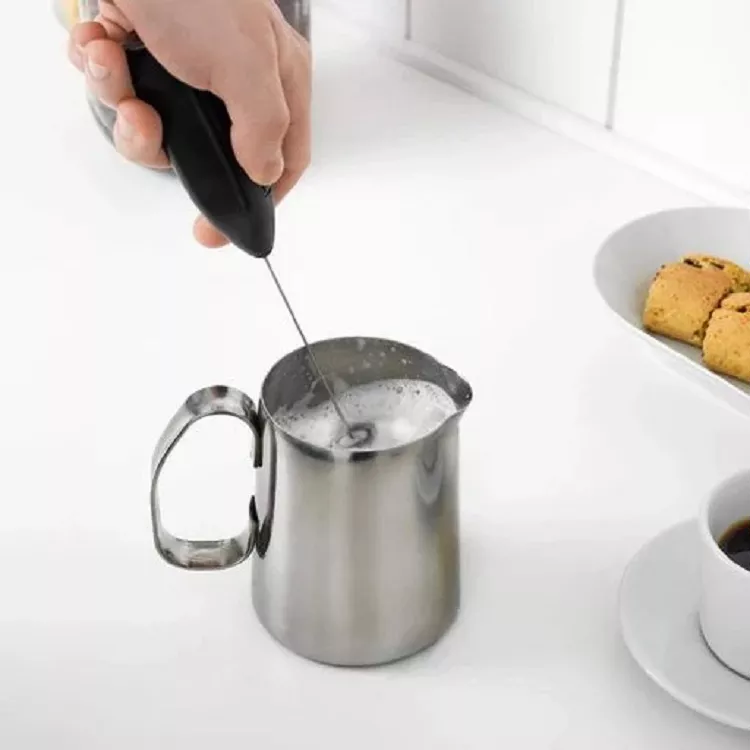
If you love cappuccinos, you know that perfect frothy milk makes all the difference. But getting that creamy, velvety foam at home can feel tricky.
What if you could easily create café-quality froth with just a few simple steps? This guide will show you exactly how to froth milk for cappuccino, so your drinks taste amazing every time. Keep reading, and you’ll soon impress yourself—and your friends—with barista-level skills right in your own kitchen.

Credit: johanochnystrom.com
Choosing The Right Milk
Whole milkcreates a creamier and richer froth. It has more fat, which helps make a thick foam that feels smooth. Skim milkmakes lighter, airier foam but can feel less creamy.
Non-dairy options like almond, oat, and soy milk can also froth well. Choose barista versions for better foam. Some non-dairy milks froth differently, so try to find one you like.
| Milk Aspect | Ideal Condition | Reason |
|---|---|---|
| Freshness | Use fresh milk | Fresh milk froths better and tastes better |
| Temperature | Start cold (around 40°F / 4°C) | Cold milk gives more time to create foam |

Credit: explore.typhur.com
Tools You Need
Steam wandsare common in espresso machines. They use steam to froth milk quickly. The wand heats and adds air to milk, creating a creamy texture.
Manual frotherswork by pumping a plunger up and down. This pushes air into the milk. It’s a simple, affordable tool for frothing.
Electric frothersdo the work automatically. They heat and froth milk with one button. Great for fast, easy frothing at home.
A thermometerhelps check milk temperature. Milk should be heated to about 150°F (65°C) for best taste.
The pitcheris used to hold and pour milk. Stainless steel pitchers are popular for good heat control and easy cleaning.
Preparing Milk For Frothing
Pour fresh cold milkinto the pitcher. Fill it just below the spout. This allows room for foam to grow. Avoid overfilling the pitcher. It helps create smooth, creamy froth.
Keep milk chilledbefore frothing. Cold milk steams better and froths richer. Store milk in the fridge until ready. Avoid using warm or room temperature milk.
| Pitcher Size | Milk Amount | Best For |
|---|---|---|
| 12 oz (350 ml) | 6 oz (175 ml) | One cappuccino |
| 20 oz (600 ml) | 10 oz (300 ml) | Two cups or more |
Choose the right pitcher size to avoid spills. Small pitchers work best for single cups. Bigger pitchers suit multiple drinks. The right size helps control frothing better.
Frothing Techniques
Using a steam wand requires some practice. Start by pouring cold milk into a metal pitcher. Insert the steam wand just below the milk surface. Turn on the steam and create a whirlpool motion. Keep the wand near the surface to add air and froth. Once the milk reaches about 140°F, turn off the steam. Tap the pitcher to remove big bubbles and swirl to make the foam smooth.
Manual frothing methods use tools like a French press or hand whisk. Pour warm milk into the container. Pump the plunger of the French press up and down fast. This traps air and makes froth. A hand whisk works similarly. Whisk the milk quickly until foam forms. These methods are simple and do not need electricity.
| Electric Frother Tips |
|---|
| Use cold or warm milk for best results. |
| Pour milk up to the indicated level to avoid overflow. |
| Choose the froth setting based on desired foam thickness. |
| Clean the frother after each use to prevent clogs. |
Creating Microfoam
Creating microfoam means heating milk gently while adding tiny air bubbles. This makes the milk smooth and creamy, perfect for cappuccinos. Use a steam wand to mix air and milk until it feels silky and light.
Positioning The Steam Wand
Place the steam wand just below the milk surface. Keep it near the cup’s edge. This helps create small bubbles for smooth foam. Avoid putting the wand too deep or too shallow.
Incorporating Air
Turn on the steam and let air mix with milk. You will hear a gentle hissing sound. This means air is entering and making foam. Stop adding air once foam grows to double the milk size.
Texturing The Milk
Lower the wand deeper after adding air. Heat milk by swirling and spinning the pitcher. Aim for a smooth, shiny look with tiny bubbles. Stop steaming at 140°F to 150°F for best taste.

Credit: explore.typhur.com
Common Mistakes To Avoid
Overheating milk can ruin the taste of your cappuccino. Too hot milk loses its sweet flavor. Always use a thermometer. Keep milk temperature around 150°F (65°C). This keeps the milk sweet and creamy.
Large bubbles make the foam less smooth. Always position the steam wand correctly. Keep it just below the surface. Move it up and down gently. This creates small, velvety bubbles.
Fresh milk froths better than old milk. Always check the expiration date. Use milk within three days of opening. This ensures a rich and creamy froth. Fresh milk gives the best taste.
Pouring The Perfect Cappuccino
Start with freshly frothed milk. Tilt the cup slightly. Pour milk slowly into the espresso. Create a smooth base with milk. Add a thick layer of foam on top. This creates a perfect balance. Milk and foam should blend naturally.
Pour milk steadily to create art. Use a gentle motion for precision. Start with simple shapes like a heart. Practice improves your latte art skills. Experiment with different designs. Have fun creating beautiful patterns.
- Serve cappuccino in a warm cup.
- Pair with a small biscuit or cookie.
- Enjoy the drink while it’s hot.
- Share with friends for a special moment.
Frequently Asked Questions
How Do You Froth Milk For Cappuccino At Home?
To froth milk, heat it to 150°F, then use a steam wand or handheld frother. Move the frother in a circular motion to create microfoam. Avoid overheating to keep milk sweet and creamy.
What Type Of Milk Works Best For Frothing?
Whole milk froths best due to its fat content, giving creamy and stable foam. Skim milk creates larger bubbles and less creamy texture. Plant-based milks vary; oat and almond milk froth well with slightly different textures.
How Long Should You Froth Milk For Cappuccino?
Froth milk for about 20 to 30 seconds. This timing creates smooth microfoam without overheating. Stop when the milk volume doubles and the texture is silky and dense.
Can You Froth Milk Without A Frother Or Steam Wand?
Yes, you can froth milk by shaking it in a jar or whisking vigorously. Heat the milk first, then shake or whisk until foam forms. This method is simple but may not produce silky microfoam.
Conclusion
Frothing milk for cappuccino is simple with practice. Warm the milk gently, then use steam or a frother. Create tiny bubbles for smooth, creamy foam. Pour the foam over your espresso carefully. Enjoy a rich, delicious cappuccino at home. Keep trying to improve your technique every time.
Soon, you’ll make coffee just like a barista. Simple tools and steps make a big difference. Perfect froth turns coffee into a treat. Start today and savor your homemade cappuccino.