
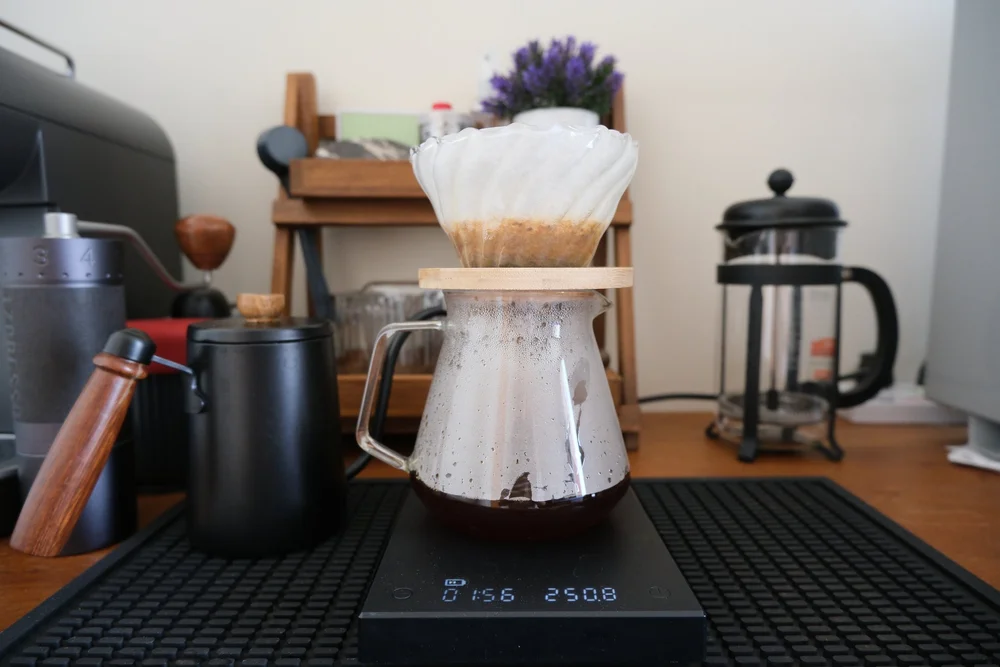
If you want to enjoy a rich, flavorful cup of coffee that feels like it was made just for you, learning how to use a pour-over coffee maker is the perfect place to start. You don’t need fancy equipment or barista skills—just a few simple steps can transform your morning routine.
Imagine waking up to the aroma of freshly brewed coffee, crafted exactly to your taste. Keep reading, and you’ll discover easy tips to master this method, impress your friends, and make every cup a moment to savor. Your perfect coffee is closer than you think.

Credit: mommygearest.com
Choosing The Right Pour-over Brewer
Choosing the right pour-over brewer depends on your tasteand daily coffee needs. Different models offer unique features for brewing.
| Popular Pour-Over Models | Material | Design | Size & Capacity |
|---|---|---|---|
| Hario V60 | Ceramic, Glass, Plastic | Conical shape with spiral ribs | Small to medium (1-4 cups) |
| Chemex | Glass with wooden collar | Elegant hourglass design | Medium to large (3-8 cups) |
| Kalita Wave | Stainless steel, Glass, Ceramic | Flat-bottom with wave filters | Small to medium (1-6 cups) |
Material choices affect heat retention and cleaning. Ceramic and glass keep heat steady. Plastic brewers are lighter and often cheaper.
Size matters for how many cups you want to make. Small brewers suit one or two cups. Larger models work well for groups.
Selecting Coffee Beans
Bean roast levelsaffect the flavor of your coffee. Light roasts keep fruity and bright notes. Medium roasts offer balance and mild sweetness. Dark roasts bring bold and bitter flavors. Choose the roast that fits your taste.
For grind size, use a medium-coarse grind. Too fine makes coffee bitter. Too coarse makes it weak. The right grind helps water flow evenly through grounds.
Freshness matters. Buy whole beans and grind before brewing. Store beans in an airtight container. Keep them in a cool, dark place. Avoid the fridge or freezer to keep flavor fresh longer.
Preparing Your Equipment
Cleaning the brewerensures the best taste. Rinse the pour-over coffee maker with warm water. Avoid soap as it can leave a taste. Use a soft brush to remove leftover coffee grounds. Clean after every use to keep it fresh.
Boiling water should be just off the boil. Ideal temperature is between 195°F and 205°F (90°C to 96°C). Water too hot can burn coffee. Water too cool will not extract flavors well.
- Choose paper filters designed for pour-over makers.
- Place the filter in the cone properly to fit snugly.
- Rinse the paper filter with hot water before brewing.
- This removes paper taste and warms the brewer.
Step-by-step Brewing Process
Place a filter in the pour-over cone and rinse it with hot water. Add ground coffee, then pour hot water slowly in circles to brew. Wait for the coffee to drip, then enjoy fresh, flavorful coffee.
Measuring Coffee And Water
Use a scale to measure coffee. Aim for 15 grams per cup. Water should be 200 milliliters per 15 grams of coffee. This helps to get the best taste. Always use fresh, filtered water.
Pre-wetting The Grounds
Wet the coffee grounds lightly first. Pour a small amount of hot water. This helps the coffee bloom. Wait for 30 seconds before continuing.
Pouring Techniques
Use a circular motion while pouring water. Start from the center and move outward. Keep it slow and steady. This ensures even extraction and better taste.
Controlling Brew Time
Brew time affects coffee taste. Aim for 3 to 4 minutes total. Adjust the grind size to control time. Coarse grind needs more time; fine grind needs less.
Troubleshooting Common Issues
Weak or Watery Coffeehappens when the coffee grounds are too coarse or the brewing time is too short. Use a finer grind and pour water slowly. Make sure the water temperature is between 195°F and 205°F. Avoid pouring too fast as it leads to weak flavor.
Bitter or Over-Extracted Brewoccurs if the coffee grounds are too fine or the water pours too slowly. Use a coarser grind to prevent bitterness. Keep the brewing time under 4 minutes. Water that is too hot can also cause bitterness. Try to keep the temperature right.
Inconsistent Flow Ratecan be caused by uneven coffee grounds or clogged filters. Stir the grounds lightly before pouring water. Use fresh filters and rinse them with hot water before brewing. Pour water in a steady circular motion for even extraction.

Credit: www.lannacoffeeco.com
Tips For Enhancing Flavor
Experimenting with ratioshelps find the best taste. Try different amounts of coffee to water. More coffee gives a stronger flavor. Less coffee makes it lighter. Small changes can make a big difference.
Using filtered waterimproves the taste a lot. Tap water may have chemicals or smells. Filtered water is cleaner and pure. It helps the coffee taste fresh and clear.
Adjusting the grind sizeaffects how fast the water flows. A coarse grind makes slow dripping. A fine grind makes fast dripping. Find the right balance for your taste.
Pour speedalso changes flavor. Pour slowly in small circles. This lets water touch all the coffee grounds. Pouring too fast can make weak coffee. Too slow can cause bitterness.
Cleaning And Maintenance
Rinse the coffee maker with warm water after each use. Wipe the surface with a soft cloth. Check the filter basket for coffee grounds. Dispose of any leftover grounds immediately. Dry the parts completely to avoid mold. This routine keeps your brewer fresh and ready.
Deep cleaning is important once a week. Use vinegar and water to clean the brewer. Mix equal parts of vinegar and water. Pour the solution through the coffee maker. Run plain water twice to rinse. This helps remove any hidden residue.
Store the coffee maker in a dry place. Ensure all parts are dry before storing. Avoid direct sunlight to protect the material. Keep it away from moisture. This keeps your brewer in good condition.

Credit: www.amazon.ca
Frequently Asked Questions
What Is The Best Grind Size For Pour-over Coffee?
A medium-coarse grind is ideal for pour-over coffee. It allows optimal water flow and extraction. Too fine causes over-extraction, too coarse leads to weak coffee.
How Much Coffee Do I Need For A Pour-over?
Use about 1 to 2 tablespoons of coffee per 6 ounces of water. Adjust to taste for stronger or milder coffee.
How Long Should I Pour Water In Pour-over Brewing?
Pour water slowly over 2 to 3 minutes in a circular motion. This ensures even saturation and balanced flavor extraction.
Can I Use Any Filter With A Pour-over Coffee Maker?
Use paper or metal filters designed for pour-over. Paper filters offer a cleaner cup; metal filters allow more oils and body.
Conclusion
Using a pour-over coffee maker brings a fresh taste to your morning. It lets you control the water flow and coffee strength easily. Take your time to pour slowly and enjoy the process. Clean your maker after each use for the best flavor.
With practice, your coffee will taste smooth and rich. Pour-over brewing is simple, fun, and rewarding. Give it a try and enjoy a great cup every day.