
Choosing the right coffee beans can transform your coffee from ordinary to extraordinary. Whether you’re just starting out or looking to sharpen your barista skills, understanding how to pick the perfect beans is key to making that cup truly yours.
You might feel overwhelmed by all the options, but don’t worry—this guide will make it simple. By the end, you’ll know exactly what to look for to craft coffee that tastes rich, fresh, and full of flavor every time. Ready to unlock the secret to better coffee?
Let’s dive in.
Credit: www.coffeeness.de
Types Of Coffee Beans
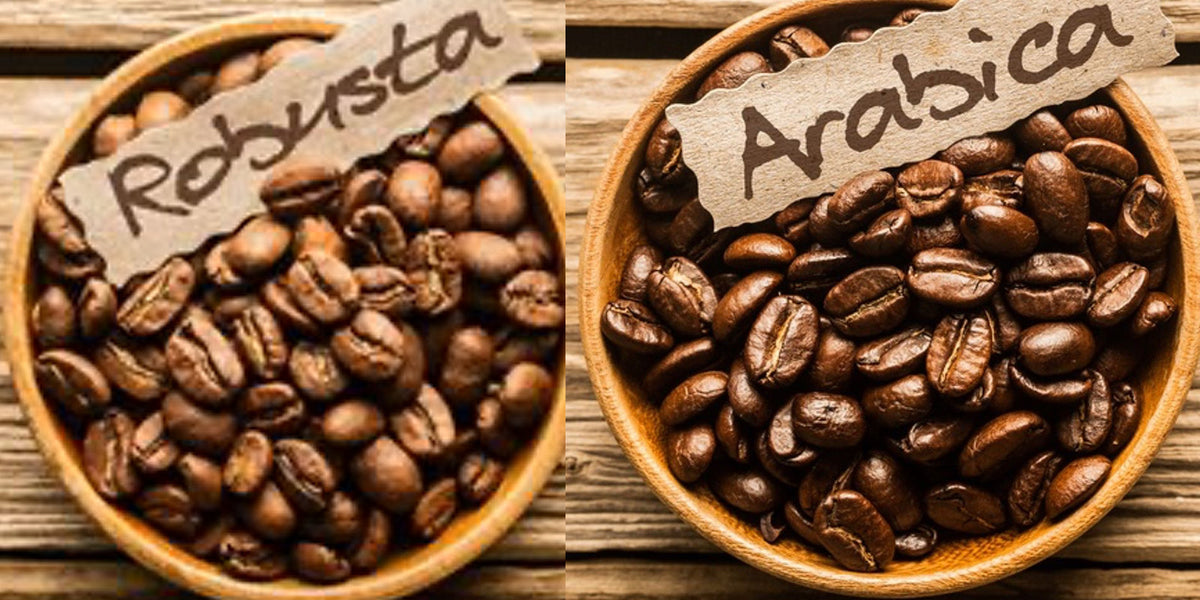
Arabicabeans have a sweet, soft taste with hints of fruit and sugar. They contain less caffeine and are often considered higher quality. Robustabeans are stronger, bitter, and have more caffeine. They are often used in espresso for a rich crema and extra kick.
Single-origincoffee comes from one location. It has unique flavors tied to that region. These beans show the true taste of the farm. Blendsmix beans from different places. This creates balanced flavors and consistent taste. Baristas use blends for a smooth and complex cup.

Credit: cafebarista.ca
Roast Levels And Their Impact
Light roast coffee beanshave a mild taste and higher acidity. They keep most original coffee flavors. Light roasts are lighter brown and have no oil on the surface. These beans are best for those who like fruity or floral notes in coffee.
Medium roastbeans offer a good balance between acidity and body. They show more sweetness and a richer flavor than light roasts. The color is medium brown with little to no oil on the surface. This roast suits many tastes and is popular worldwide.
Dark roastbeans are dark brown or almost black. They have a strong, bold flavor with less acidity. The beans appear shiny due to surface oils. Dark roast coffee has a smoky or bitter taste and feels heavier in the mouth.
Freshness And Storage
Fresh coffee beanshave a rich aroma and glossy surface. Check the roast date on the package. Beans are best used within two weeksof roasting. Avoid beans with a stale or flat smell. Whole beans keep better than pre-ground ones. Choose beans stored in sealed bags with one-way valves. These valves let gas out but keep air from entering.
Store beans in an airtight container. Keep them in a cool, dark place away from sunlight. Avoid storing beans in the fridge or freezer; moisture can ruin the flavor. Only grind beans just before brewing to keep the taste fresh. Proper storage helps maintain the flavor and aromafor longer.
Credit: espressocanada.com
Flavor Profiles And Tasting Notes
Flavor profileshelp describe the taste of coffee beans. They guide you to pick beans that match your preference. Common flavor descriptors include fruity, nutty, chocolatey, floral, and spicy. These words tell you what to expect in a cup.
Matching beans to your desired taste means choosing beans with the right flavor notes. For example, fruity beansoften come from Ethiopia, giving a bright and lively taste. Chocolatey and nutty beansare common in Latin America, offering smooth and sweet flavors. Beans with spicy or floral notesoften come from Asia, adding a unique twist.
- Fruity:berry, citrus, apple
- Nutty:almond, hazelnut, walnut
- Chocolatey:cocoa, dark chocolate, milk chocolate
- Floral:jasmine, rose, lavender
- Spicy:cinnamon, clove, pepper
Sourcing And Ethical Considerations
Direct Trademeans buying coffee beans straight from the farmers. This helps farmers get better prices and builds trust. It also makes sure the beans are fresh and of high quality.
Fair Tradefocuses on fair wages and good working conditions for farmers. It supports small farms and helps communities grow better.
Sustainable Farming Practicesprotect the environment. They use less water, avoid harmful chemicals, and keep the soil healthy. This helps grow coffee beans without hurting nature.
- Supports farmers and their families
- Reduces harm to the environment
- Ensures long-term coffee quality
- Promotes ethical and fair business
Grinding And Brewing Compatibility
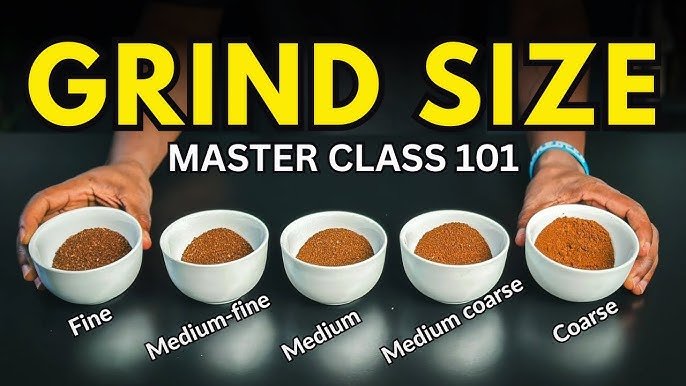
Choosing the right grind size affects coffee flavor and brewing method. Coarse grinds suit French press, while fine grinds work best for espresso. Matching beans with your brewing style ensures a balanced and tasty cup every time.
Grind Size For Different Methods
Different coffee methods need different grind sizes. French press needs a coarse grind. Espresso requires a very fine grind. Drip coffee works best with medium grind. Each grind size affects the flavor and strength. Too coarse and your coffee will be weak. Too fine, and it might taste bitter. Use a grinder to get the right size.
Bean Selection For Espresso Vs Drip
Espresso needs dark roast beans. These beans create a strong flavor. Drip coffee uses medium roast beans. This roast is smoother and less intense. Choose beans based on your taste. Some like fruity flavors, others prefer nutty. Always check the bean’s roast date. Fresher beans make better coffee.
Budgeting For Quality Beans
Finding the right balance between cost and quality is crucial. High-quality beans often come at a higher price. But, they make a big difference in taste. Look for beans that fit your budget but still offer good flavor. Compare different brands and types. Sometimes, smaller packages allow you to try before buying more. It’s like finding the perfect middle ground.
Some beans are more expensive because of their origin. Others are costly due to special processing methods. Understand what you are paying for. Decide if the extra cost gives better taste. You can find quality beans that are not the most expensive. Check reviews and ask other coffee lovers for advice.
Specialty coffee shops often sell premium beans. They have knowledgeable staff to help you choose. Online stores also have a wide range of options. Many offer detailed descriptions and customer reviews. Local roasters might also have fresh, high-quality beans. Buying directly from them can support local businesses.
Testing And Refining Choices
Home cuppings help test different coffee beans. Use small amounts of ground coffee. Brew each sample with the same method. Notice the aroma, taste, and texture carefully. Write down your thoughts for each bean. Share the tasting session with friends or family. Ask for their honest opinions. This helps spot flavors you might miss.
Adjust your choices based on the feedback. Pick beans that most people liked. Try changing roast levels or grind size too. Keep testing until you find the best match. This process improves your barista skills over time.
Frequently Asked Questions
What Type Of Coffee Beans Do Baristas Prefer?
Baristas typically prefer Arabica beans for their smooth flavor and complex aroma. Arabica beans offer a balanced taste with mild acidity, making them ideal for espresso and specialty coffee.
How To Identify Quality Coffee Beans For Baristas?
Look for beans with a uniform size, fresh roast date, and vibrant color. High-quality beans have a pleasant aroma and are free from defects or mold.
Should Baristas Choose Single-origin Or Blended Beans?
Single-origin beans highlight unique regional flavors, while blends balance taste and aroma. Baristas select based on desired flavor complexity and consistency for their coffee.
What Roast Level Suits Barista Coffee Beans Best?
Medium to medium-dark roasts are preferred for baristas, as they bring out rich flavors without excessive bitterness. These roasts balance acidity and body, perfect for espresso.
Conclusion
Choosing the right coffee beans makes a big difference in taste. Fresh beans give you the best flavor and aroma. Consider roast type and origin for the style you enjoy. Taste test different beans to find your favorite. Store beans properly to keep them fresh longer.
Enjoy the process of exploring new flavors and blends. Great coffee starts with the right beans and care. Keep experimenting to make each cup special.