
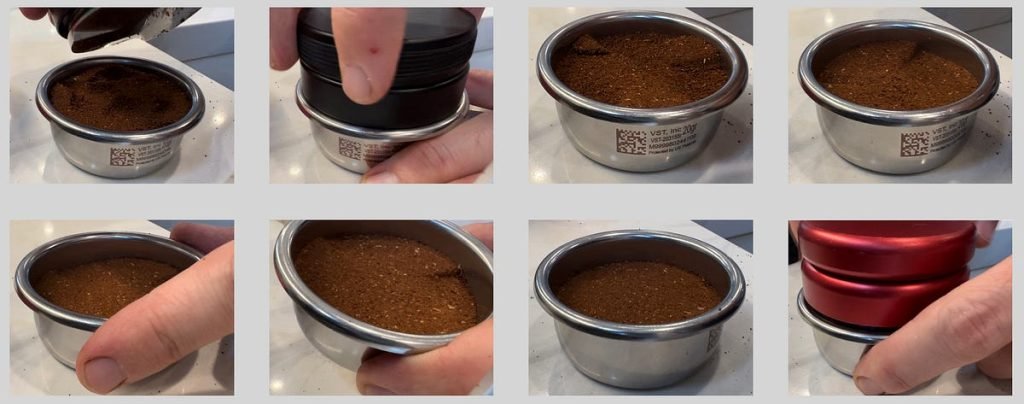
If you want to make the perfect espresso at home, the secret lies in how you grind your coffee. Getting the grind right is the difference between a smooth, rich shot and a bitter, weak one.
But grinding coffee for espresso isn’t just about choosing a setting—it’s about consistency, precision, and understanding how your grind affects flavor. You’ll discover simple steps to master your grind, so every espresso you pull tastes just like your favorite café’s.
Ready to upgrade your coffee game? Let’s dive in and unlock the full potential of your espresso.
Choosing The Right Coffee Beans
Espresso coffeeis best made with beans roasted medium to dark. Dark roasts have rich, bold flavors but less acidity. Medium roasts keep a balance of brightness and body. Light roasts may taste too sour or weak in espresso.
Choose beans that are freshly roasted. Coffee loses flavor quickly after roasting. Use beans within 2-3 weeksfor the best taste. Store beans in an airtight container, away from sunlight and heat. Avoid the fridge or freezer as moisture can affect flavor.
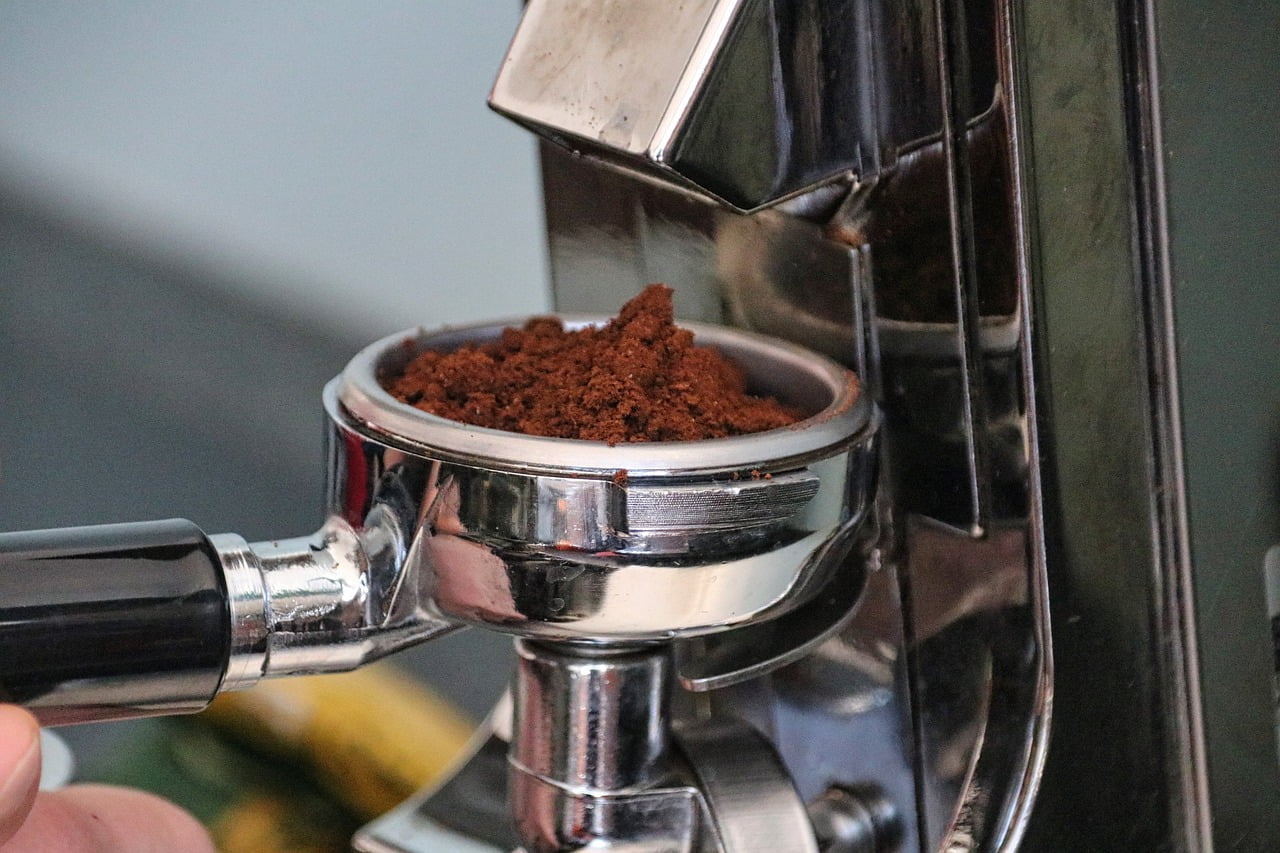
Grinding just before brewing keeps flavors strong. Pre-ground coffee loses aroma fast. Remember, freshness and proper roast level create a smooth, tasty espresso.
Credit: lesbrew.coffee
Selecting The Best Grinder
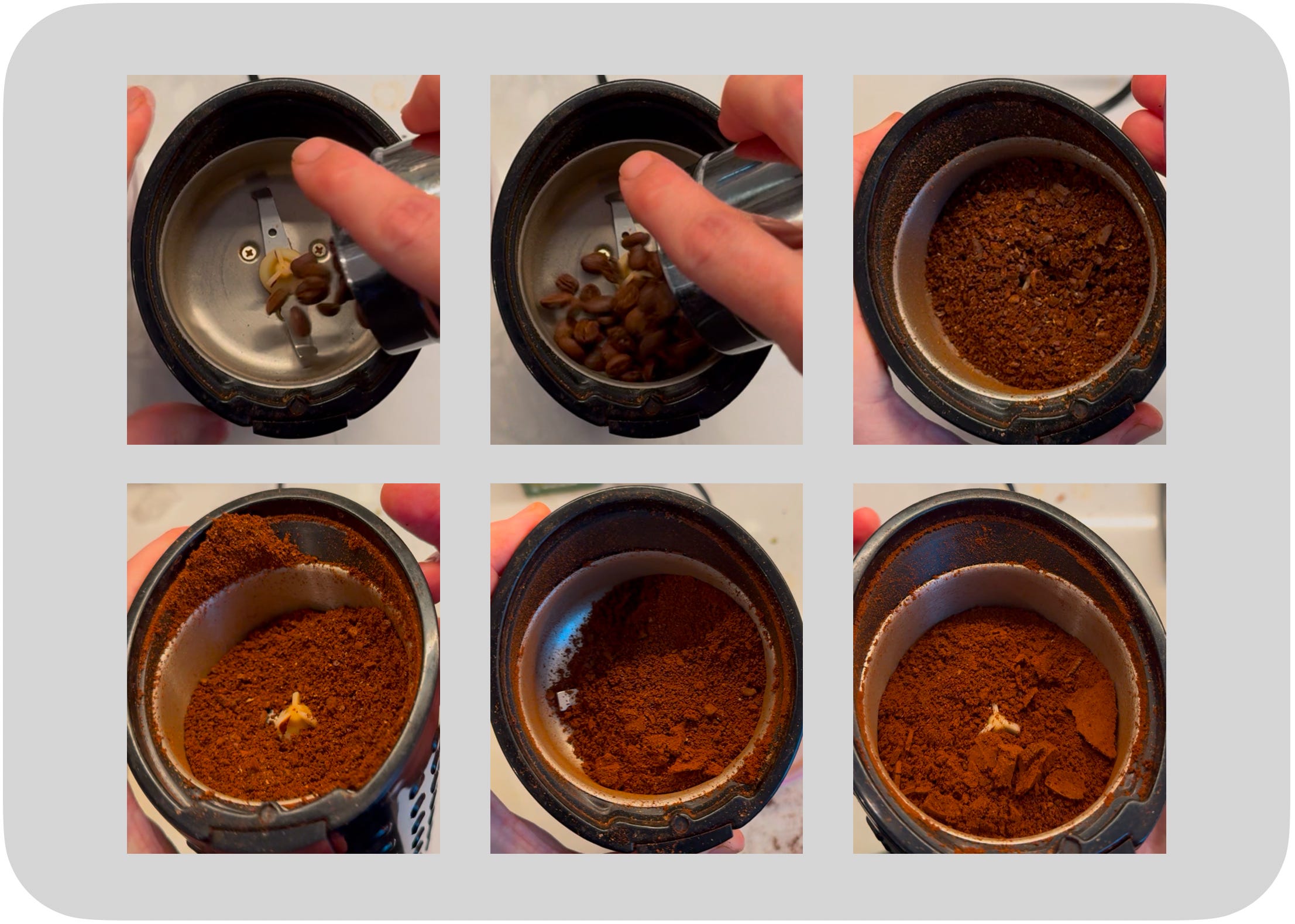
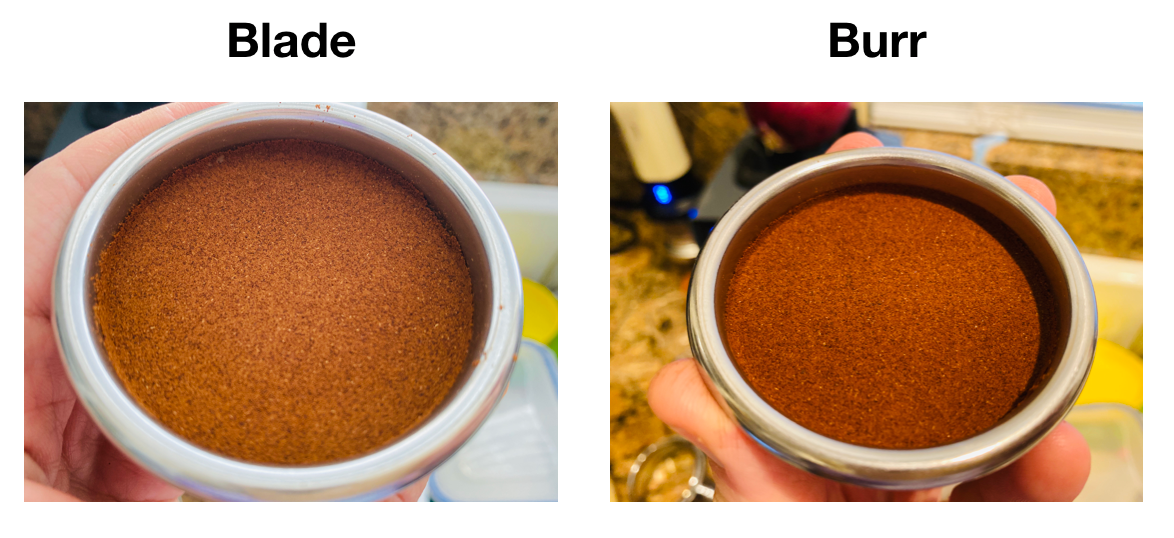
Burr grindersoffer a more even grind than blade grinders. Blade grinders chop beans unevenly, causing inconsistent espresso taste. Burr grinders crush beans between two burrs, creating uniform particles needed for espresso.
Manual grinders are quiet and affordable but require effort. Electric grinders grind quickly and with less work. Electric burr grinders usually have settings to control grind size, which is important for espresso consistency.
| Type | Pros | Cons |
|---|---|---|
| Blade Grinder | Low cost, easy to find | Uneven grind, less control |
| Burr Grinder (Manual) | Uniform grind, quiet | More effort, slower |
| Burr Grinder (Electric) | Fast, precise grind control | Higher cost, noisy |
Grind Size And Texture
The ideal grind size for espressois very fine, almost like powdered sugar. This fine texture helps water pass through quickly while extracting strong flavors. A grind that is too coarse will make the espresso weak and watery.
Adjusting the grind size changes the taste and extraction time. A finer grindslows water flow, making espresso stronger but can cause bitterness if too fine. A coarser grindlets water flow faster, producing a lighter taste but might be sour or under-extracted.
- Fine grind: slow water flow, strong taste, risk of bitterness
- Medium-fine grind: balanced taste and extraction
- Coarse grind: fast water flow, lighter taste, risk of sourness
Grinding Techniques For Consistency
Measuring coffee dose accuratelyhelps ensure the best espresso taste. Use a precise scale to weigh coffee beans. This keeps the amount consistent every time. Too much or too little coffee affects flavor and extraction.
Timing and speed controlduring grinding affect grind size uniformity. Grind quickly but evenly to avoid heat buildup. Heat can change the coffee’s taste. Slow grinding can cause clumping and uneven particle sizes.
- Use a timer to control grinding duration.
- Keep grinder blades clean for smooth operation.
- Avoid overfilling the grinder hopper.
- Adjust grind size in small steps for precision.
Maintaining Your Grinder
Properly grinding coffee ensures the perfect espresso consistency. Regularly clean your grinder to prevent residue buildup. Adjust settings to achieve the right grind size for a smooth, rich flavor.
Regular Cleaning Routines
Regular cleaning keeps your grinder working well. Old coffee oils and grounds can build up inside. This affects flavor and grind consistency. Use a brush to clean burrs and hopper. Wipe the outside with a damp cloth. Avoid water on metal parts to stop rust. Clean after every few uses for best results.
Parts Replacement And Calibration
Grinding parts wear out over time. Burrs get dull and lose sharpness. Replace burrs as per manufacturer advice. Check grinder calibration often to keep grind size steady. Adjust settings if grind feels too coarse or fine. Proper maintenance helps get a smooth, rich espresso every time.
Credit: rmckeon.medium.com
Troubleshooting Common Issues
Grinding coffee too coarse or too fine can affect espresso taste and flow. Adjust grind size slowly, testing small changes to find the perfect consistency. Clean grinders regularly to avoid buildup that impacts grind quality.
Over-extraction And Bitter Shots
Bitter shots often result from over-extraction. The water stays with the coffee too long. This draws too many flavors. Make the grind finerto fix this. Finer coffee lets water pass quicker. Try reducing the brew timetoo. Shorter time means less bitterness. Always check your machine settings. They need to be correct.
Under-extraction And Sour Shots
Sour shots mean under-extraction. The water doesn’t stay long enough. The flavors are too weak. Use a coarser grindfor better flavor. Coarser coffee slows the water down. Increase the brew timea bit. This helps balance the taste. Make sure the water is hot enough. Cold water can cause sour flavors.
Credit: medium.com
Frequently Asked Questions
What Grind Size Is Best For Espresso Consistency?
A fine grind size is ideal for espresso. It allows optimal extraction and creates rich crema. Consistency in grind size ensures balanced flavor and prevents over or under-extraction.
How Often Should I Adjust My Espresso Grind?
Adjust your grind whenever you change beans or notice taste differences. Temperature and humidity also affect grind needs. Regular adjustments maintain espresso quality and consistency.
Can A Burr Grinder Improve Espresso Consistency?
Yes, burr grinders produce uniform coffee grounds. This uniformity enhances espresso extraction and flavor. Burr grinders offer better control over grind size than blade grinders.
Why Is Grind Consistency Important For Espresso?
Consistent grind size ensures even extraction of flavors. It prevents bitterness or sourness caused by uneven brewing. Consistency results in smooth, balanced, and flavorful espresso shots.
Conclusion
Grinding coffee for espresso takes practice and attention. Use a consistent grind size for the best results. Adjust the grinder settings to match your espresso machine. Fresh coffee beans make a big difference in taste. Keep your grinder clean to avoid old coffee flavors.
Small changes can improve your espresso shot quality. Enjoy the process and taste the difference in every cup. Perfect espresso starts with the right grind.