
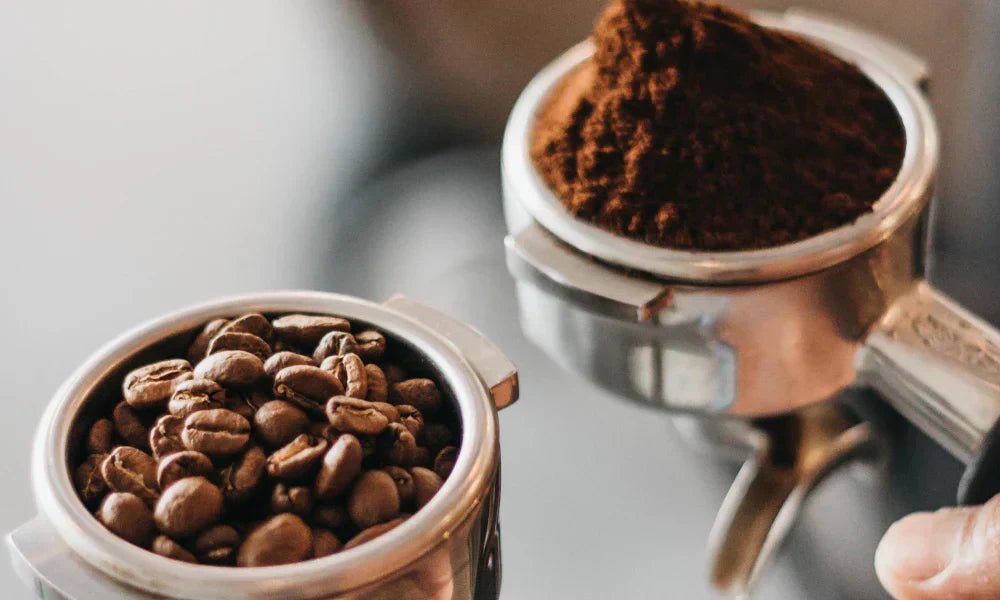
If you want to make the perfect espresso at home, grinding your coffee beans the right way is key. The texture of your grind can make or break the taste, aroma, and crema of your shot.
But how do you know the best grind size and technique to get that rich, bold flavor every time? You’ll discover simple tips and tricks to grind your coffee beans like a pro. Keep reading, and your espresso game will never be the same.

Credit: pesado585.com
Choosing The Right Coffee Beans
Choosing the right coffee beans is essentialfor a rich espresso. Arabica beans offer smooth flavorsand less bitterness, perfect for those who enjoy mild coffee. Robusta beans have a stronger, bolder tastewith higher caffeine content, often used in espresso blends.
Freshness matters a lot. Always pick beans roasted within the last two weeks. Fresh beans keep the aromas and oilsthat make espresso special.
The roast level affects taste. Medium to dark roastswork best for espresso. They bring out a rich, full-bodied flavorand a nice crema on top.

Credit: angelinos.com
Types Of Coffee Grinders
Blade grindersuse spinning blades to chop coffee beans. They are cheapand easy to usebut can give uneven grind sizes. This may affect the taste of espresso.
Burr grinderscrush beans between two burrs. They offer a consistent grind, which is important for espresso. They come in two types: flat and conical burrs.
| Manual Grinders | Electric Grinders | |
|---|---|---|
| Power Source | Hand-cranked | Electric motor |
| Portability | Very portable | Less portable |
| Effort | Requires physical effort | Easy and fast |
| Noise Level | Quiet | Noisy |
| Price | Usually cheaper | Usually more expensive |
Grind Size And Its Impact
Grind sizeis very important for making good espresso. It changes how water flows through coffee. Too coarse a grind makes weak espresso. Too fine a grind makes bitter taste and slow brewing.
Espresso needs a fine and even grind. This helps extract the right flavors quickly. The grind size affects the pressureand extraction time. Both are key for strong, smooth espresso.
- Blade grinders:Usually create uneven grinds. Use a slightly coarser grind to avoid over-extraction.
- Burr grinders:Offer more control. Adjust grind size to match your espresso machine’s pressure and basket size.
- Manual grinders:Good for fine tuning grind size. Takes more time but improves flavor consistency.
Grinding Techniques
Use a digital scale to measure coffee beans. A standard espresso shot needs about 18-20 gramsof coffee. Weighing ensures consistent tasteevery time. Avoid guessing or using volume measures like tablespoons.
Keep your grinder clean for even grinding. Residue can change the flavor. Grind beans just before brewing for freshness. Store beans in an airtight container away from light.
- Use a burr grinder for uniform particle size.
- Adjust grind size to be fine but not powdery.
- Grind in small batches to avoid heat buildup.
- Test grind and adjust based on espresso taste.
Common Grinding Mistakes
Overgrindingcoffee beans makes the grind too fine. This causes slow water flowthrough the coffee. The espresso tastes bitterand burnt. On the other hand, undergrindingresults in large particles. Water flows too fast, making the espresso weakand sour. Finding the right grind sizeis key for good espresso.
Avoid heat build-upduring grinding. Heat can damage coffee oils. This changes the taste. Grinding too fast or for too long causes heat. Pause between grinding bursts or use a grinder with a cooling system. Cool beans make better espresso.
Maintaining Your Grinder
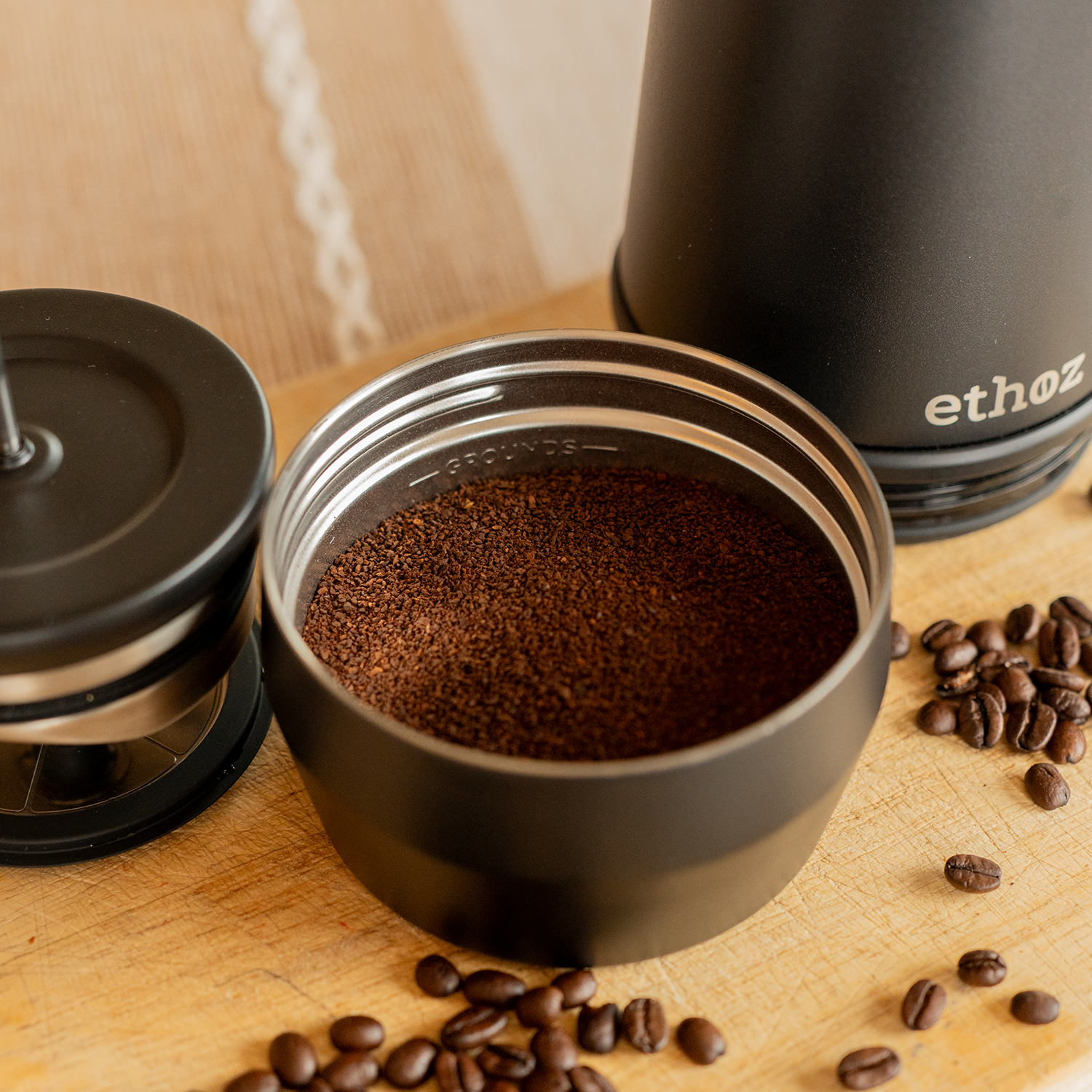
Grinders need cleaning often. Dust and coffee bits build up fast. Clean your grinder weekly. This helps it last longer. Clean grinders make better coffee. Use a brush or cloth. Remove parts carefully. Be sure everything is dry before use.
Check the burrs often. Look for chips or cracks. Burrs must be sharp. Dull burrs make bad coffee. Inspect the hopper for cracks. Ensure it fits well. Check the grinder’s motor sound. It should be smooth. Strange sounds mean problems.
Credit: planetarydesign.com
Frequently Asked Questions
What Grind Size Is Best For Espresso Coffee?
The best grind size for espresso is fine and consistent. It allows optimal extraction and rich flavor. Avoid too coarse or too powdery grounds for balanced espresso shots.
How To Adjust Grind For Better Espresso Taste?
Adjust grind size finer to slow extraction, coarser to speed it up. Experiment gradually to find ideal taste and crema. Consistency ensures quality espresso every time.
Can I Use A Blade Grinder For Espresso?
Blade grinders are not ideal for espresso. They produce uneven grind size, affecting flavor and extraction. Burr grinders are recommended for precise, uniform espresso grounds.
How Long Should I Grind Coffee For Espresso?
Grind time depends on grinder type and desired fineness. Usually, 10-20 seconds with burr grinder achieves fine espresso grounds. Avoid overgrinding to prevent bitter taste.
Conclusion
Grinding coffee beans for espresso requires the right grind size and consistency. A fine, even grind helps extract the best flavor. Adjust your grinder to avoid bitter or weak coffee. Freshly ground beans make a big difference. Practice and patience improve your results.
Enjoy the rich taste of your homemade espresso every time. Keep experimenting to find what suits your taste best. Simple steps lead to a great cup. Your perfect espresso is just a grind away.