
If you want to make the perfect espresso, adjusting your grind size is one of the most important steps. The right grind can bring out rich flavors, while the wrong one can leave your coffee bitter or weak.
But how do you know when to change your grind size? And what difference will it really make to your espresso? You’ll discover simple tips that anyone can follow to get the grind just right. By the end, you’ll be brewing shots that taste smooth, balanced, and full of life—every single time.
Let’s get started!

Credit: www.reddit.com
Why Grind Size Matters
Grind sizecontrols how water flows through coffee grounds. It changes how much flavor comes out. Too finea grind makes water slow down. This can cause over-extraction, making the espresso bitter. Too coarsea grind lets water pass too fast. This leads to under-extraction, which tastes sour or weak.
The tasteand textureof espresso depend on grind size. A good grind balances sweetness, bitterness, and acidity. It also helps create a creamyand smoothbody. Changing grind size is a key way to adjust espresso flavorand mouthfeel.
Choosing The Right Grinder
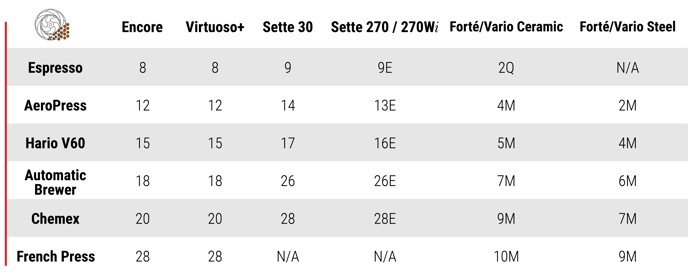
Burr grindersprovide a more consistent grind size than blade grinders. They crush coffee beans between two burrs, creating uniform particles. Blade grinderschop beans unevenly, which can cause inconsistent espresso shots. Burr grinders usually offer adjustability featureslike settings to change grind size from fine to coarse. This helps dial in the perfect espresso flavor. Blade grinders often lack precise settings, making it harder to get the right grind. For espresso, fine and consistent grindsare key. Burr grinders are preferred by most espresso lovers for this reason. Some burr grinders have easy-to-turn dials or digital controls for grind size. This makes adjusting grind sizequick and simple. Investing in a burr grinder improves espresso quality by giving better control over grind size.
Grind Size And Brew Time
Fine grindscreate more surface area for water to touch. This means water takes longer to pass through. The result is a longer brew time and stronger espresso. If the grind is too fine, the espresso may taste bitter or burnt.
Coarse grindslet water flow faster. This leads to shorter brew time and weaker coffee. Coffee might taste sour or under-extracted.
| Grind Size | Brew Time | Taste |
|---|---|---|
| Fine | Longer (25-30 seconds) | Strong, bitter if too long |
| Coarse | Shorter (15-20 seconds) | Weak, sour if too short |
Timing is key for optimal extraction. Aim for about 25-30 seconds. Adjust grind size if your shot is too fast or slow. A good balance gives rich flavor and smooth texture.

Credit: www.amazon.com
Adjusting Grind Size Step-by-step
Start by setting the grinder to a medium-fine level. This is a good base for espresso. Avoid very coarse or very fine at first.
Make small changes to the grind size. Turn the grinder slightly finer or coarser. Small steps help avoid big mistakes.
Test the coffee after each change. Brew a shot and taste it. Note if the coffee is too bitter or too weak.
Adjust again based on taste. Finer grind gives stronger, bitter taste. Coarser grind makes the coffee lighter or sour.
- Use a consistent dose of coffee each time.
- Keep brewing time around 25-30 seconds.
- Write down changes and results for future.
Common Grind Size Issues
Over-extractionhappens when espresso tastes bitter or burnt. The grind is too fine, causing water to flow slowly. This extracts too many flavors, making the shot harsh. The coffee puck may look dry and hard after brewing.
Under-extractiongives sour or weak flavors. The grind is too coarse, letting water flow too fast. This extracts too little flavor, making the shot taste thin or fruity. The coffee puck can be wet and soft.
| Troubleshooting Tips | What to Do |
|---|---|
| Espresso tastes bitter or burnt | Coarsen the grind slightly to speed water flow |
| Espresso tastes sour or weak | Make the grind a bit finer to slow water down |
| Shot pulls too slow | Try a coarser grind and check tamp pressure |
| Shot pulls too fast | Use a finer grind and ensure even tamping |

Credit: thebasicbarista.com
Consistency Tips For Better Espresso
Adjusting grind size controls the espresso’s taste and extraction time. Finer grinds make espresso stronger but slower to brew, while coarser grinds speed up extraction and lighten flavor. Small changes in grind size create big differences in consistency.
Maintaining Grinder Calibration
Keeping your grinder in good shape is key. Check the settings often. Adjust if needed. Grinders can shift over time. Keep an eye on this. Small changes make a big difference. Use a scale to weigh your coffee. This helps keep things even. Consistency is important for great espresso.
Regular Cleaning Practices
Clean your grinder every week. Coffee oils build up inside. This can change the taste. Use a brush to clean the burrs. Don’t forget to clean the hopper. Stale coffee can stick there. A clean grinder makes better espresso. Always take care of your tools. They help you make the best coffee.
Advanced Techniques
Adjusting grind size affects espresso flavor and extraction time. Finer grinds increase strength, while coarser grinds reduce bitterness. Experimenting with small changes helps find the perfect balance for your taste.
Adjusting For Different Beans
Different coffee beans need different grind sizes. Arabica beans are soft and need a finer grind. Robusta beans are hard and need a coarser grind. Always test a small amount first. This helps find the right size. Keep notes of your results. This makes it easier next time. A grinder with adjustable settings is very useful. It allows you to fine-tune easily.
Seasonal Grind Adjustments
Weather can change how your coffee tastes. Humidity can make beans absorb water. This affects the grind size. In humid months, try a coarser grind. In dry months, use a finer grind. Always taste your coffee. This helps you decide if changes are needed. Daily checks ensure the best flavor.
Frequently Asked Questions
How Fine Should Espresso Grind Size Be?
Espresso grind should be very fine, resembling powdered sugar. This allows for optimal extraction and rich flavor in a short brew time.
How To Know If Espresso Grind Is Too Coarse?
If espresso tastes weak or watery, the grind is likely too coarse. Also, the shot may pull too quickly, under 20 seconds.
What Happens If Espresso Grind Is Too Fine?
Too fine a grind causes over-extraction, leading to bitter taste. It also slows water flow, resulting in a longer shot time.
How To Adjust Grind Size For Different Espresso Machines?
Adjust grind size based on your machine’s pressure and portafilter. Start fine, then coarsen or refine until shot timing and taste improve.
Conclusion
Adjusting your espresso grind size affects taste and extraction time. Finer grinds make espresso stronger but slower to brew. Coarser grinds brew faster but taste lighter. Test small changes to find your best flavor. Use a good grinder for consistent results.
Keep notes on each adjustment and taste. Practice helps you understand how grind size matters. Enjoy your coffee with the right grind setting.