
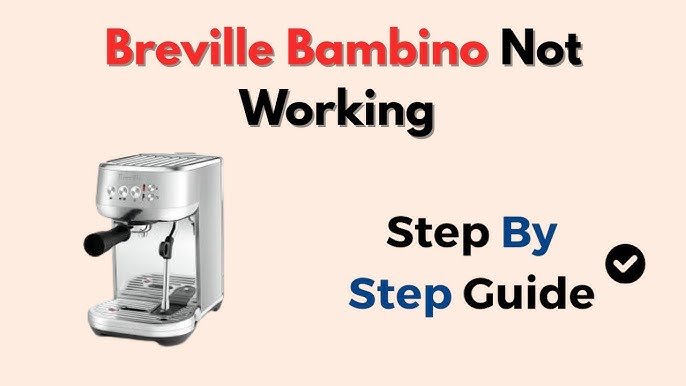
Is your espresso machine refusing to turn on just when you need that perfect cup of coffee? It’s frustrating, isn’t it?
You rely on your machine every day, and when it stops working, it throws off your whole routine. But before you panic or call for expensive repairs, there are simple steps you can take to fix the problem yourself. In this guide, you’ll discover easy and effective ways to troubleshoot your espresso machine not turning on.
Keep reading, and you’ll be back to enjoying your favorite espresso in no time.

Credit: www.reddit.com
Check Power Supply
Start by checking the power cordfor any visible damage or loose connections. A damaged cord can stop the machine from turning on.
Test the cord by plugging it into a different outlet. This helps to know if the outletis the problem.
Try using another outlet that you know works. This confirms if the original outlet has issues.
- Look for cracks, cuts, or frayed wires on the power cord.
- Make sure the plug fits snugly into the outlet.
- Check if the outlet is switched on or controlled by a wall switch.
- Test other devices in the same outlet to see if they get power.
Examine Machine Switches
Start by confirming the main power switchis turned on. Sometimes, it may feel like it is on but isn’t fully pressed. Look for any signs of damage or loose wiring around the switch. If the machine still won’t turn on, locate the internal reset button. This button often helps restore power after a safety trip. Press it gently using a small tool or your finger. Wait a few seconds, then try turning the machine on again.
Check these points:
- The power cord is plugged in securely.
- The outlet is working by testing with another device.
- The reset button is not stuck or broken.
Look For Blown Fuses
First, unplug the espresso machineto avoid electric shock. Find the fuse box or panel on the machine. Use a multimeter or fuse testerto check each fuse’s condition. A blown fuse will show no continuity or a broken wire inside.
Keep a few spare fusesready. Make sure the replacement fuse matches the original’s rating. Gently remove the faulty fuse and replace it with a new one. Plug the machine back in and try turning it on.
Testing and replacing fuses is a simple fix for power issues. If the fuse blows again quickly, there might be a deeper electrical problem. Seek professional help if this happens.

Credit: www.reddit.com
Inspect Internal Components
Start by carefully removing the machine’s outer cover. Locate the heating element, which warms the water for espresso. Use a multimeter to check for continuity. No continuity means the heating element might be faulty and needs replacement.
Next, examine the circuit board. Look for any signs of damage like burnt parts or loose wires. A damaged circuit board can stop the machine from turning on. Make sure all connectors are firmly attached. If unsure, consult a professional for repair or replacement.
Reset And Restart Machine
Reset and Restart Machine Begin troubleshooting by resetting your espresso machine. Unplug it, wait a minute, then plug it back in. This simple action might solve the power issue, giving your machine a fresh start. If it still doesn’t turn on, consider checking for blown fuses or tripped breakers.
Perform Power Cycle
Unplug the espresso machinefrom the power outlet. Wait for about 30 seconds. This helps the machine reset. Plug it back into the outlet. Try turning it on again. This simple step can solve many problems.
Follow Manufacturer Reset Steps
Check the machine’s manualfor specific reset instructions. Each brand has different steps. Follow them carefully. Ensure you press the correct buttons. Some machines have a reset button. Others need a button sequence. Doing this can often fix the issue. Make sure you follow each step properly.

Credit: www.youtube.com
Prevent Future Issues
Regular cleaning keeps the espresso machine working well. Remove old coffee grounds and clean the filter often. Wipe the machine’s outside to avoid dust build-up. Check water tanks and pipes for blockages or dirt. Use a descaling solution monthly to stop mineral build-up. This helps maintain good water flow and taste.
Power surges can harm the machine’s electronics. Use a surge protector to guard against sudden voltage changes. Avoid plugging the espresso machine into overloaded outlets. Unplug the machine during storms or power outages. These steps reduce the chance of electrical damage and keep the machine safe.
Frequently Asked Questions
Why Is My Espresso Machine Not Turning On?
Your espresso machine might not turn on due to power issues, faulty plugs, or blown fuses. Check the power source and ensure the machine is properly plugged in. Inspect the power cord for damage and reset any tripped circuit breakers.
How Can I Reset My Espresso Machine?
To reset your espresso machine, unplug it from the power source for a few minutes. Press the power button while unplugged to discharge residual power. Plug it back in and turn it on. This often resolves minor electrical glitches.
Could A Blown Fuse Cause Espresso Machine Failure?
Yes, a blown fuse can prevent your espresso machine from turning on. Locate the fuse in the machine’s power supply area. Replace it with an exact match fuse type to restore functionality. Always ensure safety by unplugging before checking.
What Maintenance Prevents Espresso Machine Power Issues?
Regularly clean and descale your espresso machine to avoid power problems. Check cords and plugs for wear and tear. Avoid overloading power outlets. Proper maintenance ensures electrical components work efficiently and prolongs your machine’s lifespan.
Conclusion
Troubleshooting your espresso machine saves time and money. Check power sources and buttons first. Clean the machine regularly to avoid common issues. Small problems often have simple fixes. Stay patient and follow steps carefully. If problems persist, contact a professional for help.
Enjoy fresh coffee without stress. Keep your machine in good shape for long use. Easy steps make your espresso machine work again.