
Your espresso machine’s drip tray might seem like a small part, but it plays a big role in keeping your coffee setup clean and working smoothly. If you’ve ever noticed unpleasant smells, sticky residue, or even slow draining, it’s a clear sign your drip tray needs attention.
Cleaning it regularly not only prevents messes but also helps your machine last longer. In this guide, you’ll learn simple, effective steps to clean your drip tray quickly and easily—no special tools or harsh chemicals needed. Keep reading to discover how a clean drip tray can make every cup of espresso taste even better.

Credit: www.wholelattelove.com
Why Clean The Drip Tray
The drip tray collects water and coffee spills. Cleaning it stops moldgrowth and bad smells. Mold can make your kitchen smell unpleasant and affect your health.
Keeping the drip tray clean helps the espresso machine work well. Dirt and coffee buildup can block parts, causing problems. A clean tray means fewer repairs and longer machine life.
A clean drip tray also makes your coffee taste better. Old coffee residue can change the flavor. Fresh coffee tastes best with a tidy machine.

Credit: www.youtube.com
Tools And Materials Needed
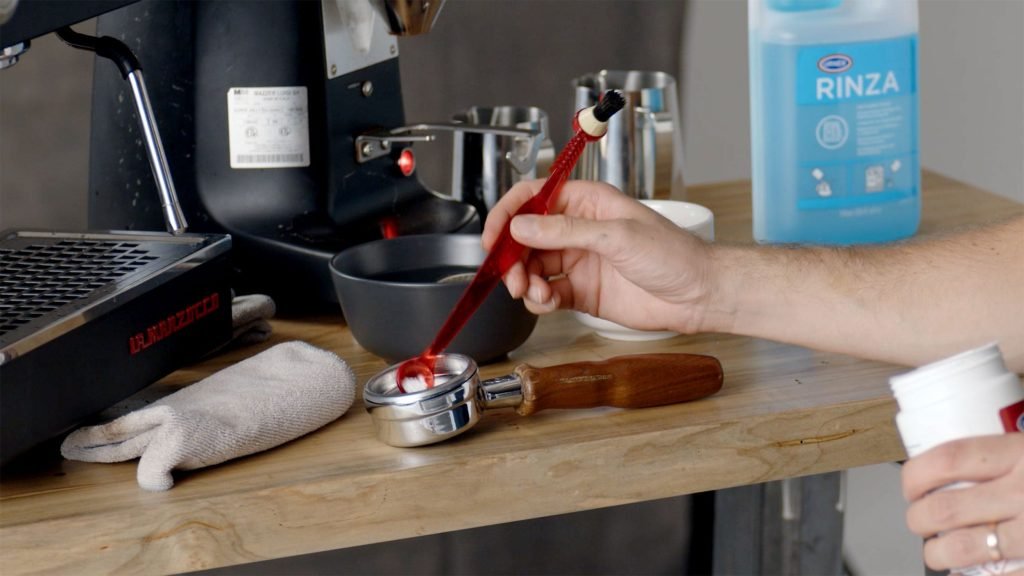
Use small cleaning brushesto reach tight spots. These brushes help remove coffee grounds. Make sure the bristles are soft. Hard bristles might scratch the tray. Brushes with long handles work best. They give you more control while cleaning.
Choose a mild detergentfor cleaning. Strong chemicals can damage parts. Dilute the detergent with water. A small amount is enough. Rinse well after washing. This ensures no soap is left behind.
Use soft cloths and spongesfor wiping. They absorb water quickly. Soft materials prevent scratches on the tray. Wash and dry them after use. This keeps them clean for next time.
Step-by-step Cleaning Process
First, carefully pull out the drip tray from the espresso machine. Make sure to hold it steady to avoid spills. Place the tray over the sink for easy cleaning.
- Empty all collected liquid and coffee grounds into the trash.
- Rinse the tray with warm water to remove loose dirt.
- Use mild soap if needed for better cleaning.
For tough stains, use a soft brush or sponge. Scrub gently to avoid scratching the surface. Focus on corners and crevices where grime builds up.
After scrubbing, rinse the tray well to remove soap residue. Wipe it dry with a clean cloth. Let it air dry fully before putting it back.

Credit: www.wholelattelove.com
Deep Cleaning Techniques
Vinegar is a natural cleaner that breaks down hard water stains and coffee oils. Mix equal parts of white vinegar and water. Use this solution to wipe or soak the drip tray. It helps remove sticky residue and kills bacteria.
For tough residue, soak the drip tray in vinegar solution for 15 to 30 minutes. This softens crusty deposits and makes scrubbing easier. Use a soft brush or sponge to clean after soaking.
Avoid using harsh chemicals like bleach or strong detergents. These can damage the tray’s surface and leave harmful residues. Stick to gentle cleaners like vinegar or mild soap for safe and effective cleaning.
Tips For Regular Maintenance
Cleaning the drip tray often helps keep the espresso machine working well. For best results, clean it after every useto stop build-up of coffee drips and water. This spot cleaning keeps the tray fresh and prevents smells.
Check the drip tray for cracks or damage regularly. A broken tray can cause leaks or spills. Replace it if you see any damage to avoid messes and machine problems.
| Cleaning Frequency | Action |
|---|---|
| After each use | Empty and wipe the tray to remove spills |
| Weekly | Deep clean with warm, soapy water |
| Monthly | Inspect for cracks or damage |
Troubleshooting Common Issues
Persistent odorsin the drip tray often come from old coffee residue. Clean the tray with warm soapy water every day. Use a soft brush to scrub corners and edges where dirt hides. Rinse well and dry before placing it back. To stop smells, wipe the tray after each use. A small amount of vinegar can help remove tough odors.
Drain blockageshappen when coffee grounds or milk build up. Remove the drip tray and check the drain hole. Use a toothpick or pipe cleaner to clear any clogs. Run water through the drain to test if it flows freely. Clean the area around the drain often to prevent blockages.
| When to Replace the Drip Tray | Signs to Watch For |
|---|---|
| Cracks or breaks | Water leaks or spills outside the tray |
| Stains that won’t come out | Persistent bad odors despite cleaning |
| Damaged drain mechanism | Water does not flow properly through the drain |
Frequently Asked Questions
How Often Should I Clean The Drip Tray?
Clean your espresso machine’s drip tray weekly to prevent mold and buildup. Frequent cleaning ensures hygiene and machine efficiency.
Can I Use Soap To Clean The Drip Tray?
Yes, mild dish soap works well. Avoid harsh chemicals to protect the tray’s material and maintain safety.
Is It Safe To Clean The Drip Tray In A Dishwasher?
Most drip trays are dishwasher-safe, but check your machine’s manual. Hand washing is recommended for delicate or plastic trays.
What Tools Do I Need To Clean The Drip Tray?
Use a soft sponge, mild soap, and warm water. Avoid abrasive scrubbers to prevent scratches on the tray surface.
Conclusion
Cleaning the drip tray keeps your espresso machine working well. Regular care stops clogs and bad smells. Remove the tray, wash it with warm water and soap. Dry it fully before putting it back. Small steps like these save time and money.
Your coffee tastes better with a clean machine. Make cleaning the drip tray part of your routine. Enjoy every cup, fresh and smooth. Simple, quick, and worth it.