
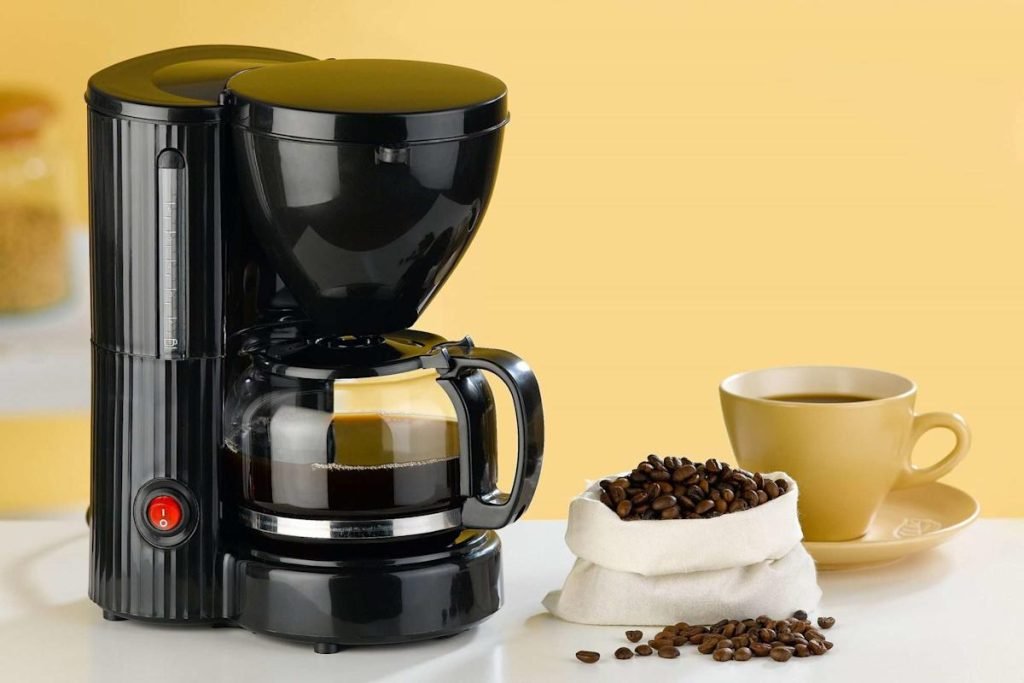
Your drip coffee maker is the heart of your morning routine. But have you ever thought about how clean it really is?
Over time, coffee oils, mineral deposits, and bacteria can build up inside your machine. This not only affects the taste of your coffee but can also impact your health. If you want every cup to be fresh, flavorful, and safe, knowing how to clean your drip coffee maker properly is a must.
Keep reading, and you’ll discover simple, effective steps to keep your coffee maker spotless—and your health protected.

Credit: www.goodhousekeeping.com
Why Clean Your Coffee Maker
A dirty coffee maker can hold bacteriaand mold. These can cause health problemslike stomach pain or allergies. Old coffee oils build up and turn rancid. This can make your coffee taste bador bitter.
Cleaning the machine keeps it safeand your coffee fresh. A clean coffee maker brews better flavorand aroma. It also lasts longer and works well.

Credit: caffenu.com
Tools And Supplies Needed
Basic cleaning toolshelp keep your drip coffee maker healthy. You will need a soft spongeor cloth to wipe parts gently. A brushis useful for hard-to-reach areas. Having a measuring cuphelps when adding cleaning solutions.
Common cleaning materials include white vinegar, which removes mineral buildup. Baking sodahelps get rid of stains and odors. Mild dish soap works well for daily cleaning. Avoid harsh chemicals that may damage your machine or leave harmful residues.
| Cleaning Solution | Use |
|---|---|
| White Vinegar | Removes mineral deposits and cleans internal parts |
| Baking Soda | Eliminates stains and neutralizes odors |
| Mild Dish Soap | Daily cleaning of removable parts |
| Water | Rinsing and diluting cleaning solutions |
Daily Cleaning Routine
After brewing coffee, remove the filter and grounds. Dispose of used coffee grounds to avoid mold growth. Rinse the coffee pot with warm water to remove leftover coffee oils. Use a soft cloth or sponge to wipe the inside of the pot gently.
Clean the filter basket by rinsing it under running water. Avoid using soap, as it can affect coffee taste. Wipe the outside of the machine with a damp cloth to remove dust and spills. Leave all parts to air dry before reassembling the coffee maker.

Credit: caffenu.com
Deep Cleaning Process
Cleaning a drip coffee maker deeply removes hidden dirt and bacteria that affect health. Use vinegar and water to flush out buildup, then rinse thoroughly for safe, fresh coffee every time.
Descaling With Vinegar
Descalingremoves hard water deposits inside the coffee maker. Use a mix of equal parts water and white vinegar. Pour it into the water reservoir. Run a brew cycle without coffee grounds. After that, run two cycles with clean water to rinse well. This stops the vinegar taste from staying in the machine.
Removing Coffee Oils And Residue
- Use a soft cloth or sponge with warm, soapy water.
- Clean the carafe, filter basket, and lid thoroughly.
- Scrub gently to remove coffee oils and stains.
- Rinse all parts well to avoid soap taste.
- Dry all pieces before reassembling the coffee maker.
Cleaning The Carafe And Filters
The carafeneeds regular cleaning to keep coffee fresh and tasty. Use warm water and mild soap for washing. Avoid harsh scrubbing to prevent damage. Rinse thoroughly to remove all soap. Let the carafe air dry completely before use.
Filters help keep coffee clear and flavor pure. Paper filters are disposable and easy to use. They catch fine coffee grounds well. Reusable filters save waste but need careful cleaning. Rinse them after each use and wash with warm, soapy water once a week.
| Filter Type | Care Tips |
|---|---|
| Paper Filters | Use once and throw away. No cleaning needed. |
| Reusable Filters | Rinse after every brew, wash weekly with soap. |
Preventive Tips For Cleaner Coffee
Good water makes better coffee. Use filtered water for brewing. It keeps the coffee maker clean. Tap water may have chemicals. These can build up inside the machine. Clean water stops this build-up. It’s healthier and better for taste.
Regular cleaning keeps the coffee maker fresh. Clean it once a month. Use vinegar and water to descale. Run the mixture through the machine. Rinse with clean water twice. This removes any vinegar taste. Clean the coffee pot daily. Wash it with soap and water. Dry it well before using again.
Troubleshooting Common Issues
Clogged filters and slow brewing often signal the need for cleaning. Regularly removing mineral buildup keeps coffee tasting fresh and prevents health risks. Simple cleaning steps solve most common drip coffee maker problems efficiently.
Dealing With Mold And Mildew
Mold and mildew can grow in your coffee maker. This can happen if it’s not cleaned often. To clean, first, unplug the coffee maker. Remove all parts that can come off. Wash these parts in warm, soapy water. Use a brush to scrub away any mold. Rinse them well and let them dry completely. Mix equal parts water and vinegar. Pour this mix into the water reservoir. Run the coffee maker. This will clean the inside parts. Finally, run a full cycle with only water to rinse.
Fixing Off-flavors
Off-flavors make coffee taste bad. Start by cleaning the coffee maker. Use equal parts vinegar and water. Pour into the water reservoir and run a cycle. This clears old coffee oils. Rinse by running a cycle with fresh water. Make sure to clean the coffee pot and filter basket too. Old coffee grounds can stick and cause bad taste. Use a soft brush and soapy water. Rinse everything well.
Frequently Asked Questions
How Often Should I Clean My Drip Coffee Maker?
Clean your drip coffee maker every 1-2 weeks. Frequent cleaning prevents mold, bacteria, and mineral buildup. It ensures healthier coffee and better taste.
What Household Items Clean A Drip Coffee Maker?
Use white vinegar and water to clean your coffee maker. Vinegar removes mineral deposits and kills bacteria safely. Rinse well with fresh water after cleaning.
Can I Use Bleach To Clean My Coffee Maker?
Bleach is not recommended for cleaning coffee makers. It can leave harmful residues affecting health and taste. Stick to vinegar or commercial coffee maker cleaners instead.
Why Is Cleaning My Coffee Maker Important For Health?
Cleaning removes harmful mold, bacteria, and mineral deposits. This prevents illness and improves coffee flavor. Regular cleaning ensures a safe and enjoyable coffee experience.
Conclusion
Cleaning your drip coffee maker keeps your drinks fresh and safe. Regular care stops mold and bacteria from growing inside. Use simple household items like vinegar and water for cleaning. Rinse well to avoid any bad taste in coffee. A clean machine lasts longer and works better every day.
Keep your coffee healthy by cleaning often. Small steps make a big difference in your daily brew. Enjoy every cup with peace of mind.