
If you love lattes, you know that creamy, velvety milk foam makes all the difference. But have you ever wondered how to get that perfect froth at home?
Whether you’re a beginner or just want to improve your skills, learning how to froth milk can turn your coffee routine into a café-quality experience. In this guide, you’ll discover easy steps and insider tips to create rich, smooth foam every time.
Ready to impress yourself and anyone you share your latte with? Keep reading and master the art of frothing milk like a pro.

Credit: www.youtube.com
Choosing The Right Milk
Whole milkcreates the best froth for a latte. It has more fat, making the foam creamy and smooth. Milk with less fat, like skim or low-fat milk, makes lighter foam but less creamy.
Plant-based milks like almond, soy, and oat can froth well too. Each type has a different texture and taste. Oat milk often creates thick foam. Soy milk froths nicely but may taste stronger.
| Milk Type | Fat Content | Froth Quality | Taste Notes |
|---|---|---|---|
| Whole Milk | Full Fat | Rich, creamy foam | Classic, smooth |
| Skim Milk | Low Fat | Light, airy foam | Less creamy |
| Oat Milk | Varies | Thick, velvety foam | Mild, slightly sweet |
| Soy Milk | Varies | Good foam with some texture | Stronger taste |
Milk temperature affects froth quality a lot. Cold milk froths better and lasts longer. Heat milk to about 140°F (60°C) for best texture and taste. Avoid boiling, as it breaks the milk proteins needed for foam.
Tools You Need
Steam wandsare common on espresso machines. They use hot steam to create creamy, smooth milk foam. Control the wand to mix air and milk well. It takes a bit of practice to get the right texture.
Manual frothersinclude hand-pump or plunger types. They do not need electricity. Pumping or plunging forces air into the milk to make froth. They are simple and easy to clean.
Electric frothersare fast and simple. Just add milk and press a button. These devices heat and froth milk automatically. They work well for beginners or quick use.
Preparing Your Milk
Measure the milk carefully for the best latte taste. Use about 150-200 mlof milk for one cup. Too much milk can overflow the frother.
Cold milk is easier to froth. Keep the milk in the fridge until ready. Cold milk helps create thick, creamy foam.

Credit: www.youtube.com
Frothing Techniques
Creating smooth, creamy milk foam enhances your latte’s flavor and texture. Use warm milk and a steam wand or frother to introduce tiny air bubbles. Aim for a silky, thick foam that blends well with espresso.
Using A Steam Wand
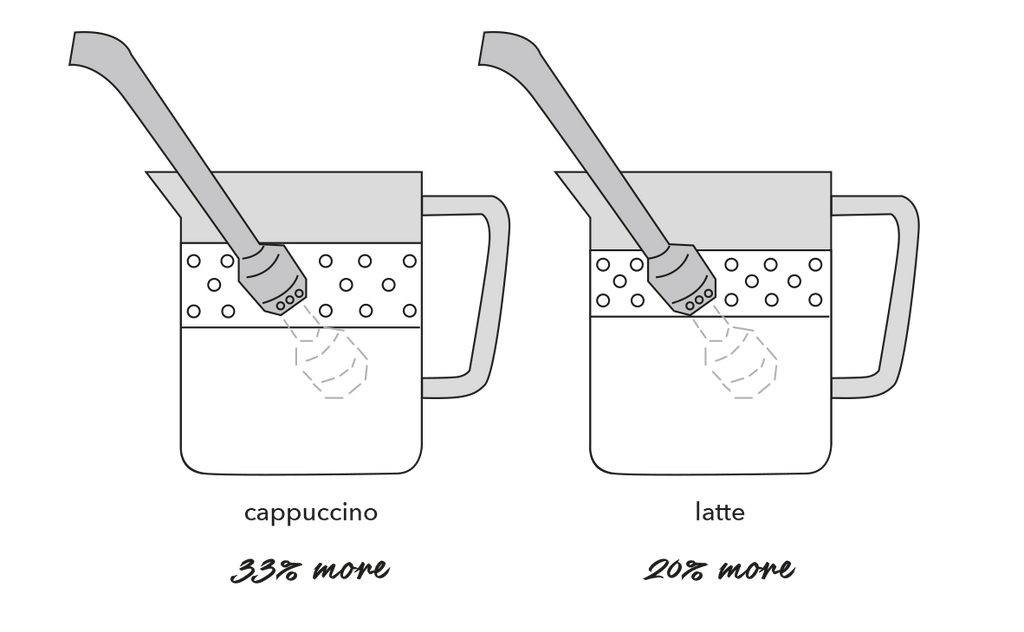
Steam wands are common in coffee machines. Fill your milk jug halfway. Place the wand just below the milk’s surface. Turn it on to start frothing. Keep the jug tilted slightly. Listen for a hissing sound. Move the jug in circles. This creates creamy foam. Turn off the wand when done.Manual Frothing Method
Pour warm milk into a jar. Fill it halfway. Close the lid tightly. Shake it hard for 30 seconds. Open the lid. Microwave for 30 seconds. This sets the foam. Pour the milk into your cup. Spoon the froth on top. Enjoy your latte.Electric Frother Method
Electric frothers make frothing easy. Pour milk into the frother. Press the button to start. Frothers heat and froth at once. Wait until it stops. Pour the milk into your cup. Add the foam on top. Your latte is ready. `Achieving The Perfect Foam
Start with cold milk for the best foam. Use a steam wand to heat the milk. Keep the tip just under the surface. This will help create tiny bubbles. Move the wand around to mix the milk. The foam should feel silky and smooth.
Large bubbles make the foam less nice. Keep the steam wand near the surface. This stops big bubbles from forming. If you see large bubbles, tap the jug on a table. This breaks them up and makes the foam better.
The foam should be like melted ice cream. Not too thick or thin. It should pour smoothly from the jug. A good foam blends well with espresso. It makes your latte taste creamy and delicious.
Common Mistakes To Avoid
Overheating milkkills the natural sweetness and creates a burnt taste. Keep the milk temperature below 150°F (65°C) for smooth froth. Use a thermometer or feel the container; it should be warm but not hot.
The frothing angleis important. Hold the steam wand at about 45 degrees. Too steep or too flat stops good foam formation. Keep the wand just below the surface to draw air in slowly.
Not all milk froths the same. Whole milkcreates creamier foam. Skim milkmakes lighter, fluffier foam. Non-dairy milksvary; oat and almond milk froth better than soy or coconut.
Tips For Latte Art
Pouring techniquesare key for beautiful latte art. Hold the cup at an angle and pour milk slowly. Start high to mix milk with coffee, then move closer to the surface. Use a steady hand and gentle wrist movements. The milk should flow like a thin stream for clear patterns.
Practice simple shapes first. Circles, hearts, and leaves are common patterns. Pour in the center, then move your hand to create designs. Small wrist flicks help make sharp edges and details.
- Use fresh, cold milk for better froth.
- Keep the milk pitcher clean and dry.
- Control the milk flow by adjusting the pitcher height.
- Practice pouring speed to improve control.
- Watch videos or see baristas to learn new patterns.

Credit: explore.typhur.com
Cleaning And Maintenance
Cleaning steam wandsafter each use keeps milk fresh and taste pure. Wipe the wand with a damp cloth immediately. Purge steam by letting out steam for a few seconds. This clears any milk inside. Soak the wand tip in warm water to loosen dried milk. Use a small brush to clean holes in the steam tip. Regular cleaning stops clogs and bacteria buildup.
Maintaining frothing equipmentis key for good milk foam. Always empty and rinse the pitcher after use. Check for cracks or damage regularly. Clean all parts with warm, soapy water and dry well. Avoid harsh chemicals that can harm equipment. Store tools in a dry place to prevent rust or mold. Careful maintenance makes frothing easier and safer.
Frequently Asked Questions
How Do You Froth Milk For A Latte At Home?
To froth milk at home, heat milk to 150°F. Use a steam wand or a handheld frother. Froth until it doubles in volume and forms creamy foam. Pour immediately over espresso for a smooth latte.
What Type Of Milk Is Best For Frothing?
Whole milk froths best due to its fat content. It creates creamy, stable foam. Low-fat or skim milk produces lighter, airier foam. Plant-based milks like oat or almond can also froth but vary in texture.
How Long Should You Froth Milk For A Latte?
Froth milk for about 20 to 30 seconds. Stop when the milk doubles in volume. Aim for smooth, velvety foam without large bubbles. Over-frothing can create dry, stiff foam not ideal for lattes.
Can You Froth Milk Without A Steam Wand?
Yes, use a handheld frother, French press, or jar. Heat milk first, then whisk or pump vigorously to create foam. These methods can produce good froth for lattes without expensive equipment.
Conclusion
Frothing milk for a latte is simple with practice. Use fresh, cold milk for best results. Warm the milk gently, then create tiny bubbles. Pour the froth slowly over your coffee. Enjoy the creamy texture and rich taste. Small steps lead to a perfect cup.
Try different milks to find your favorite. Keep practicing, and your skills will improve. Making lattes at home saves money and time. A cozy coffee moment awaits you every day.