
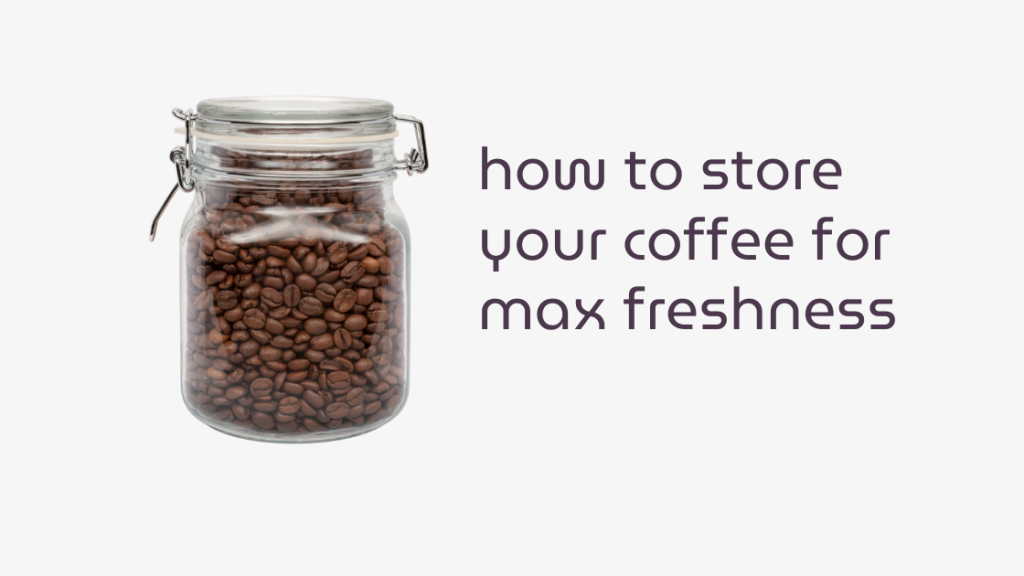
You love the rich aroma and bold flavor of fresh coffee, right? But did you know that how you store your coffee beans can make or break that perfect cup?
If your beans lose their freshness, your morning brew might taste flat or stale. Don’t worry—storing coffee beans properly is easier than you think. You’ll discover simple, effective ways to keep your beans fresh longer, so every cup you make bursts with flavor.
Ready to unlock the secret to better coffee? Let’s dive in!
Choosing The Right Coffee Beans
Whole beansstay fresh longer than ground coffee. Grinding exposes coffee to air, causing it to lose flavor quickly. For best taste, buy whole beans and grind just before brewing.
Selecting fresh beansis key for great coffee. Look for beans with a recent roast date. Avoid beans without a date or that are old. Fresh beans have a strong aroma and glossy look.
- Choose beans roasted within the last two weeks.
- Check for airtight packaging to keep beans fresh.
- Avoid beans exposed to light or heat.

Credit: www.aol.com
Ideal Storage Containers
Airtight containerskeep coffee beans fresh by blocking air. Oxygen makes beans go stale fast. Choose containers with a tight seal to protect flavor.
Opaque materialsstop light from reaching beans. Light causes beans to lose taste and smell. Dark or solid containers work best.
| Size | Why It Matters |
|---|---|
| Small | Fits daily use, limits air exposure |
| Large | Good for bulk storage, but open less often |
Best Storage Locations
Storing coffee beans in cool and dark spotshelps keep them fresh longer. Avoid places with direct sunlight, like windowsills or near lamps. Cabinets away from heat sources are good choices.
Heat and moisture can spoil coffee beans quickly. Keep beans in a sealed container to protect from air and humidity. Avoid storing beans near ovens or dishwashers where temperature changes occur.
Strong odors affect coffee flavor. Do not store beans near spices, cleaning products, or garlic. Coffee beans absorb smells easily, which can ruin their natural taste.
Freezing Coffee Beans
Freeze coffee beansonly if you won’t use them soon. Freeze in small amounts to avoid opening the bag often. Keep coffee fresh by freezing within two weeksafter roasting.
Use airtight containersor vacuum-sealed bags for freezing. Avoid freezer bags that let air in. Label containers with the freezing date.
Thaw coffee beansat room temperature. Do not microwave or heat them. Let beans return to normal temperature before grinding. Use beans quickly after thawing for best flavor.
Avoiding Common Storage Mistakes
Air exposuremakes coffee beans lose flavor fast. Keep beans in a sealed containerto block air. Open the container only when needed.
Storing coffee in the fridge causes moisture to build up. Moisture harms the beans and changes taste. Keep beans in a cool, dry place, not the fridge.
Plastic bags let air in and out. This lets beans go stale quickly. Use airtight glass or metal containersinstead. They keep beans fresh longer.
Signs Of Stale Coffee Beans
Coffee beans lose their fresh smell and taste over time. They may smell flat or stale and lose their oily shine. Proper storage helps keep beans fresh longer.
Changes In Aroma
The smell of fresh coffee is strong and inviting. Stale beans lose this rich aroma. They might smell flat or dull. This is a clear sign of age. Your nose can often tell the difference.
Flavor Deterioration
Fresh coffee should taste rich and bold. Stale beans make coffee taste weak. There is less depth in flavor. It can taste sour or bitter. Freshness affects how coffee tastes a lot.
Visual Indicators
Look at the beans closely. Fresh beans are shiny and have oil. Stale beans look dry and dull. Color might change too. Fresh beans are dark and vibrant. Stale ones can look faded.
Maintaining Freshness After Opening
Store coffee beans in an airtight container to keep them fresh longer. Keep them away from heat, light, and moisture for best flavor. Avoid the fridge; room temperature is ideal for preserving freshness.
Portion Control
Portioning your coffee beans keeps them fresh longer. Use smaller containers for daily use. This reduces exposure to air. Keep the rest sealed tightly. Avoid opening the main pack too often. It helps maintain the freshness of the beans.Resealing Techniques
Airtight jars are great for storing opened coffee. They prevent air and moisture from spoiling the beans. Reseal bags with clips if jars are not available. The goal is to keep air out. Store in a cool, dark place away from sunlight.Using Vacuum Sealers
Vacuum sealers are excellent for coffee storage. They remove air from the bag. This helps keep beans fresh for a long time. It’s an effective way to preserve flavor. Use them for bulk storage. Ideal for those buying in large quantities. `
Credit: beanshipper.com

Credit: coffeekev.com
Frequently Asked Questions
How Long Do Coffee Beans Stay Fresh?
Coffee beans stay fresh for 1-2 weeks after opening. Store them in an airtight container away from light and heat. For longer freshness, buy whole beans and grind just before brewing.
What Is The Best Container For Storing Coffee Beans?
Use an airtight, opaque container with a one-way valve. This keeps oxygen, moisture, and light out, preserving flavor. Avoid clear or plastic containers that let in air and light.
Should Coffee Beans Be Stored In The Fridge?
Avoid storing coffee beans in the fridge. Moisture and odors can affect flavor. Keep beans in a cool, dark place at room temperature for optimal freshness.
Can I Freeze Coffee Beans To Keep Them Fresh?
Freezing coffee beans can preserve freshness for months. Use an airtight container, and only freeze once. Thaw beans fully before grinding to maintain flavor.
Conclusion
Storing coffee beans right keeps them fresh and tasty longer. Keep beans in a cool, dark place away from air and moisture. Use airtight containers to protect their flavor. Avoid the fridge or freezer, as moisture can spoil beans. Buy only what you need to keep beans fresh.
Enjoy better coffee with simple storage tips. Fresh beans make every cup more enjoyable. Try these easy steps and taste the difference.