
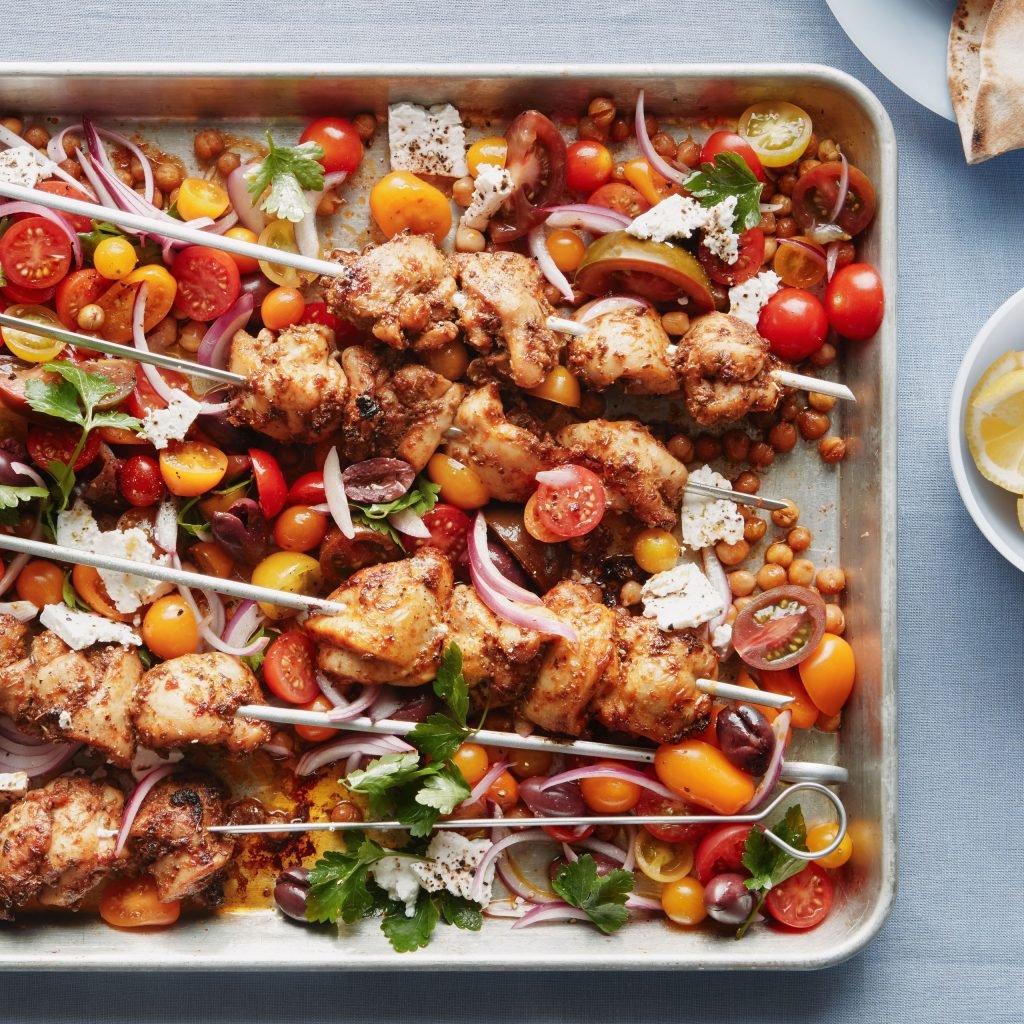
Roasting meat on a baking sheet is easier than you think, and it can deliver juicy, flavorful results every time. Whether you’re cooking for family dinner or meal prepping for the week, knowing the right technique will save you time and frustration.
In this guide, you’ll discover simple steps to get perfectly roasted meat that’s tender on the inside and crispy on the outside. Ready to transform your cooking and impress everyone at the table? Keep reading—you’re about to master a skill that makes dinner a breeze.
Choosing The Right Cut
Best cuts for roastingare usually tender and have some fat. Cuts like ribeye, sirloin, and tenderloinwork well. These cuts stay juicy and cook evenly on a baking sheet. Tougher cuts like chuck or round need longer cooking times and often more moisture.
Factors to considerinclude the size and thickness of the meat. Thicker cuts take longer to cook. Also, fat content is important; some fat helps keep the meat moist. Bone-in cuts add flavor but may need more cooking time.

Credit: realhousemoms.com
Preparing The Meat
Start by trimming excess fator silver skin from the meat. This helps it cook evenly and taste better. Use a sharp knife to remove any unwanted parts.
Season the meat well for great flavor. Use salt and pepperas a base. You can add garlic powder, paprika, or herbs for extra taste.
Marinades add moisture and flavor. Soak the meat in a mix of oil, acid (like lemon juice or vinegar), and spices for at least 30 minutes. This makes the meat tender.
Dry rubs are a quick way to add flavor. Mix spices and herbs, then rub them all over the meat. This creates a tasty crust after roasting.
- Use olive oil for a smooth marinade.
- Lemon juice brightens flavors.
- Garlic and rosemary work well in rubs.
- Keep the seasoning balanced, not too salty.
Setting Up The Baking Sheet
Choose a baking sheet made of heavy-duty metal. It holds heat well and cooks meat evenly. Avoid thin sheets that can bend or warp.
Non-stick sheets make cleaning easier. But metal sheets with a light coating work fine too.
Using a rackto lift the meat helps air flow. This makes the meat cook evenly on all sides.
A rack also keeps the meat out of its juices. This helps the surface get crispy and brown.
- Place the rack inside the baking sheet.
- Make sure the rack fits well and is stable.
- Use racks made of stainless steel or chrome.
Temperature And Timing
Preheat the oven to the right temperature before placing the meat inside. This helps the meat cook evenly and stay juicy. Usually, roasting happens between 350°F and 450°F, depending on the meat type and size.
Use a meat thermometer to check the internal temperaturewhile roasting. This ensures the meat is cooked safely and tastes good. Here are common target temperatures:
| Meat Type | Safe Internal Temperature |
|---|---|
| Beef (medium rare) | 135°F (57°C) |
| Chicken | 165°F (74°C) |
| Pork | 145°F (63°C) |
Let the meat rest for a few minutes after roasting. This helps juices spread and makes the meat tender.
Techniques For Juicy Results
Sealing in juiceskeeps meat tender and moist. Start by patting meat dry with a paper towel. This helps to get a nice brown crust. Heat the baking sheet or oven to a high temperature before placing the meat. This quick sear locks in natural juices and flavors.
Resting the meatafter roasting is very important. Let it sit for 5 to 10 minutes before cutting. This allows juices to spread evenly inside. Cutting meat right away makes the juices run out, leaving it dry.
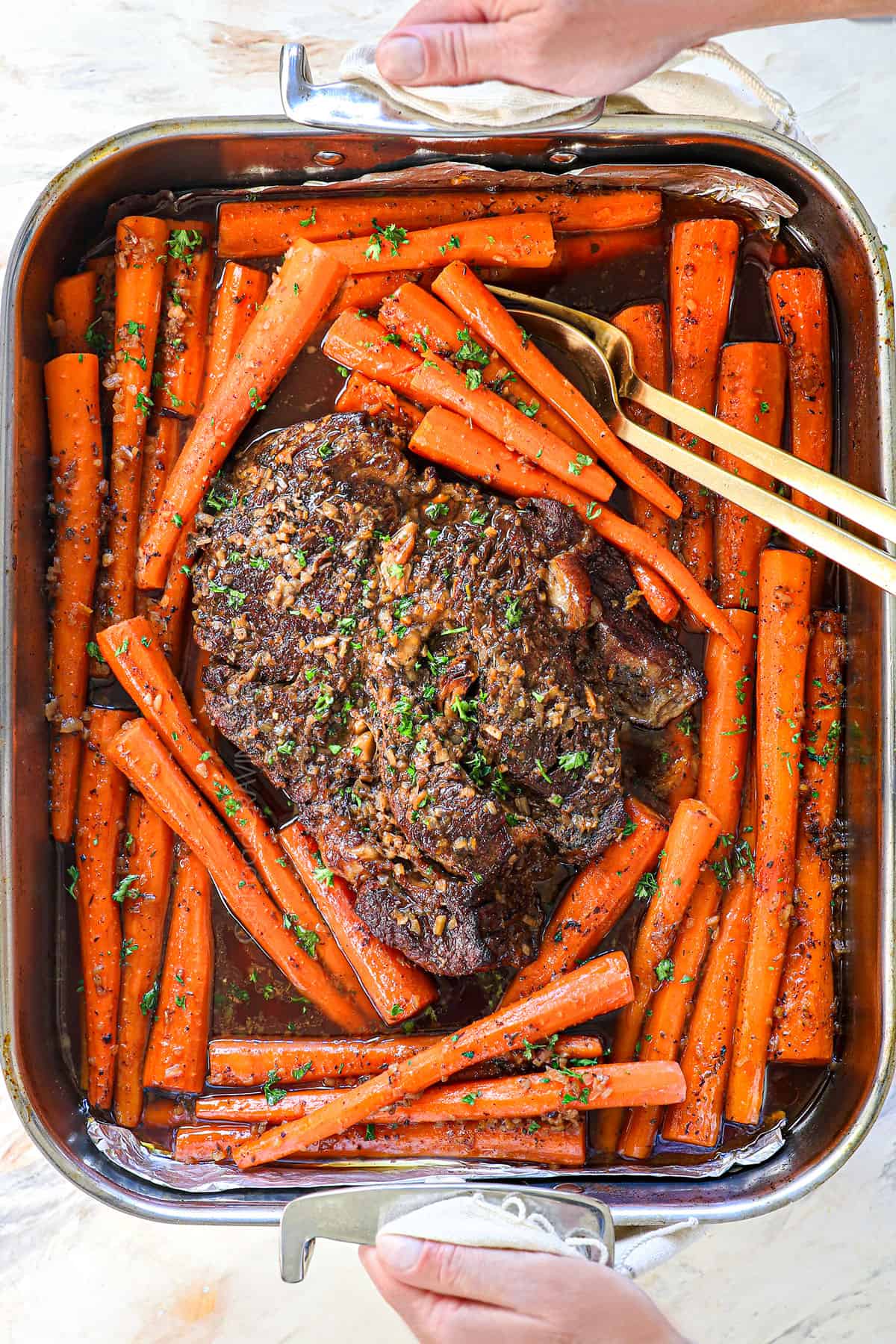
Credit: carlsbadcravings.com
Common Mistakes To Avoid
Overcookingmeat makes it dry and tough. Watch the time and temperature closely. Use a meat thermometer to check the inside temperature. Take the meat out just before it reaches the desired doneness because it will keep cooking a bit. This keeps the meat juicy and tender.
Skipping the Rest Periodafter roasting is a big mistake. Let the meat rest for at least 10 minutes. This helps the juices spread evenly inside. Cutting the meat right away lets the juices run out, making it dry. Resting keeps the meat moist and flavorful.
Serving Suggestions
Roasted meat goes well with simple, fresh sides. Try steamed vegetables, like broccoli or carrots, to add color and crunch. Mashed potatoesor rice balance the meat’s rich taste. A fresh green saladadds lightness and a crisp texture.
Serve meat slices on a warm plate. Garnish with fresh herbssuch as parsley or rosemary. A drizzle of pan juiceskeeps meat moist and flavorful. Use plain white plates to highlight the food’s color.
| Side Dish | Why It Works |
|---|---|
| Steamed Vegetables | Adds color and a fresh crunch |
| Mashed Potatoes | Balances rich meat taste |
| Rice | Neutral base for flavors |
| Green Salad | Lightens the meal with crisp texture |
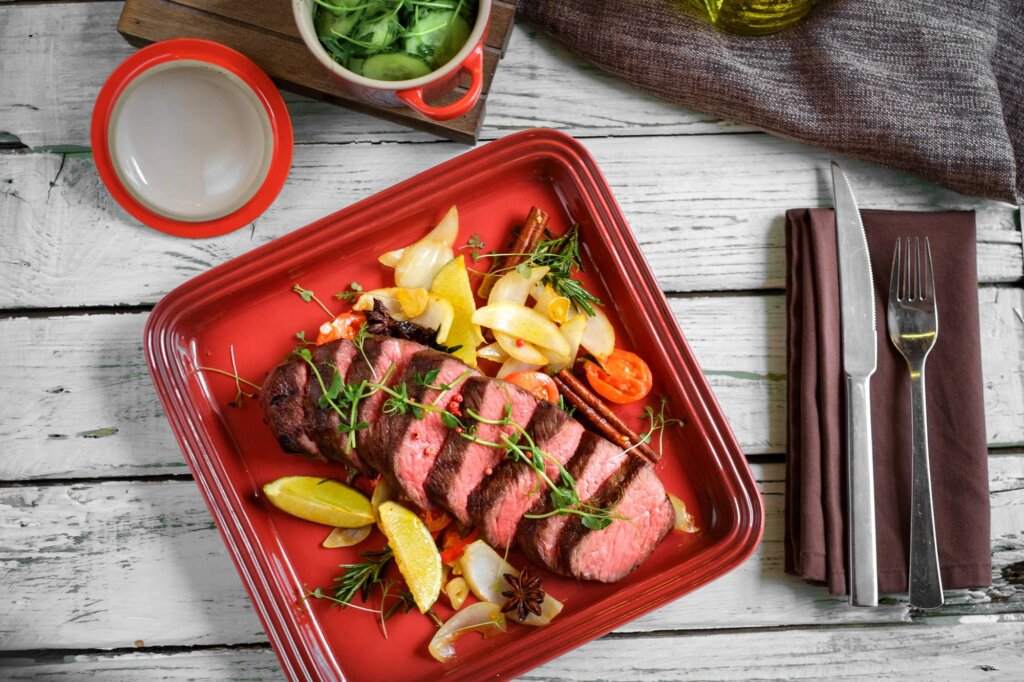
Credit: www.mychicagosteak.com
Frequently Asked Questions
How Do I Prepare A Baking Sheet For Roasting Meat?
To prepare a baking sheet, line it with aluminum foil or parchment paper. Lightly grease the surface with oil to prevent sticking. This helps with easy cleanup and ensures even cooking of the meat.
What Temperature Is Best For Roasting Meat On A Baking Sheet?
Preheat your oven to 375°F to 425°F (190°C to 220°C). This temperature range helps roast the meat evenly while keeping it juicy and tender.
How Long Should I Roast Different Types Of Meat?
Roasting times vary: chicken takes 25-30 minutes per pound, beef 20-25 minutes, and pork 25-30 minutes. Use a meat thermometer to check doneness for safety and taste.
Can I Roast Multiple Meat Types On One Baking Sheet?
It’s best to roast one type of meat per sheet to ensure even cooking. Different meats require different temperatures and times for optimal results.
Conclusion
Roasting meat on a baking sheet is simple and effective. It helps cook the meat evenly and keeps it juicy. Use a good oven temperature and season well for best taste. Check the meat often to avoid overcooking. Let the meat rest before cutting to keep the juices inside.
This method saves time and makes cleanup easy. Try it for your next meal and enjoy a tasty, tender roast. Cooking meat this way can fit any skill level. Give it a shot—you might like the results.