

If you’ve ever loved the ease of cooking with a nonstick pan, you know how frustrating it is when the coating starts to wear off. You want your nonstick cookware to stay smooth and effective for as long as possible.
The good news? There are simple steps you can take right now to protect your pans and keep that nonstick magic working. You’ll discover practical tips that help your nonstick coating last longer—saving you money and making cooking more enjoyable every day.
Ready to get the most out of your cookware? Let’s dive in.
Choosing Quality Nonstick Cookware
Materialsused in nonstick cookware affect its durability and performance. Cookware made with hard-anodized aluminumor stainless steel basesoffers better heat distribution and resists warping. Look for pans with multiple layers of nonstick coating for longer use. Avoid cheap materials that peel or scratch easily.
Brand reputationoften reflects product quality and customer satisfaction. Established brands usually invest in better technology and quality control. Reading reviews and checking warranty terms can help choose cookware that lasts. Trusted brands often provide better support if problems arise.
Proper Cleaning Techniques
Use a soft sponge or cloth for cleaning nonstick cookware. Avoid harsh scrubbers that can scratch the surface. Scratches reduce the nonstick effect and cause food to stick.
Warm water with mild dish soap works best for washing. Let the pan cool before washing to prevent warping. Rinse thoroughly to remove all soap residue.
- Do not use steel wool or rough brushes.
- Avoid scouring pads that damage coating.
- Gentle washing helps keep the surface smooth.
Safe Cooking Practices
Cooking with low to medium heathelps keep the nonstick surface safe. High heat can break down the coating and cause it to peel or wear out quickly. Use gentle heat for better results and longer pan life.
Choosing the right utensilsprotects the nonstick layer. Wooden, silicone, or plastic tools are best. Metal utensils can scratch and damage the surface, reducing its effectiveness. Handle the pan with care for lasting nonstick use.

Credit: www.facebook.com
Storage Tips
Stacking pots and pans can cause scratches on the nonstick surface. Use protective linerslike paper towels or cloth between cookware to prevent damage. This simple step keeps the coating safe and smooth.
Always store cookware in a dry placeto avoid rust, which harms nonstick layers. Avoid piling heavy items on top to keep the coating from peeling or chipping.
- Place soft liners between stacked pans
- Use pan protectors made for cookware
- Keep cookware in a cool, dry cabinet
- Do not overload shelves with heavy items
Regular Maintenance
Check the nonstick surface often for any scratches or chips. Small damages can grow and harm the coating. Avoid using metal tools that may scratch the surface. Use soft sponges or cloths for cleaning to keep the coating safe.
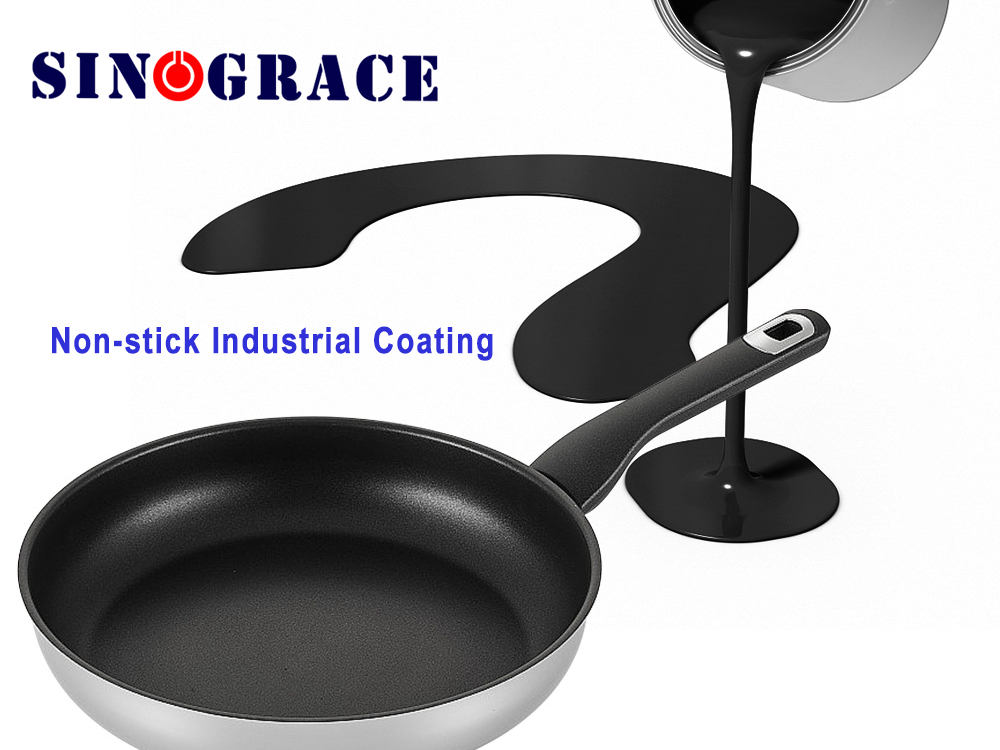
Seasoning helps keep the nonstick layer strong. Heat the pan on low heat for a few minutes. Rub a small amount of oil evenly on the surface. Let it cool, then wipe off extra oil. This process fills tiny holes in the coating and improves its life.
Credit: www.sinogracechem.com
Common Mistakes To Avoid
High heatcan damage the nonstick coating quickly. It causes the surface to break down and lose its smoothness. Use low or medium heat to keep the coating intact and safe. Overheating may also release harmful fumes.
Metal utensilscan scratch and harm the nonstick layer. Scratches make food stick and ruin the pan’s nonstick ability. Choose wooden, silicone, or plastic tools instead. These materials are gentle and help the coating last longer.
Extending Lifespan
Clean your nonstick pans gently after each use. Use a soft sponge and warm, soapy water. Avoid steel wool or abrasive pads. These can damage the coating.
Dry pans completely before storing to stop rust and damage. Store pans carefully to avoid scratches. Stack pans with a cloth or paper towel between them.
Periodic deep cleaning helps remove stubborn residues. Use a baking soda paste (baking soda and water) to scrub the surface gently. Let it sit for 15 minutes before rinsing well.
Do not soak pans for a long time. This can weaken the coating. Regular care keeps pans smooth and nonstick for longer.

Credit: food52.com
Frequently Asked Questions
How Do I Clean Nonstick Pans Without Damage?
Use a soft sponge and mild dish soap. Avoid abrasive scrubbers or harsh chemicals. Hand wash gently to preserve the coating.
What Cooking Utensils Are Best For Nonstick Cookware?
Use wooden, silicone, or plastic utensils. Avoid metal tools, which can scratch and damage the nonstick surface.
How Can I Prevent Nonstick Coating From Peeling?
Avoid overheating the pan and never use cooking sprays. Follow manufacturer guidelines for heat limits and proper care.
Is Seasoning Nonstick Cookware Necessary?
Most nonstick pans don’t require seasoning. However, light oiling before use can enhance durability and improve release.
Conclusion
Taking care of your nonstick pans helps them last much longer. Use gentle utensils and avoid high heat. Clean them with soft sponges and mild soap. Store pans carefully to prevent scratches. Small habits make a big difference over time.
Your cooking stays easy and your pans stay smooth. Keep these tips in mind for daily use. Enjoy cooking without worrying about your pans wearing out. Simple care keeps your kitchen tools working well.