
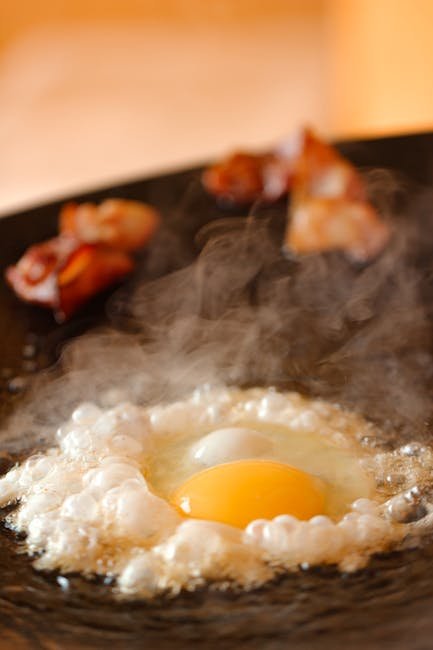
If you love crispy, delicious bacon but dread the mess and hassle, this guide is for you. Learning how to fry bacon in a nonstick pan can make your mornings easier and tastier.
You’ll get perfectly cooked bacon without sticking, burning, or endless clean-up. Keep reading, and you’ll discover simple steps and expert tips that will help you master this skill quickly. Your breakfast game is about to get a serious upgrade!

Credit: food52.com
Choosing The Right Bacon
Choosing the right baconmakes frying easier and tastier. Bacon comes in many types, each with a different flavor and texture.
- Regular bacon:Thin strips, cooks quickly, crispy when fried.
- Thick-cut bacon:Thicker strips, chewier, takes longer to cook.
- Smoked bacon:Has a smoky flavor, adds depth to dishes.
- Uncured bacon:No added nitrates, tastes fresher and natural.
Selecting quality baconis important. Look for strips with a good balance of fat and meat. Too much fat makes it greasy. Too little fat makes it dry.
Fresh bacon should be pink with white fat. Avoid bacon that looks gray or slimy. Check the expiration datefor freshness. Good bacon helps you fry perfect, delicious strips every time.
Preparing The Nonstick Pan
Heat the nonstick pan on low to medium before adding bacon. Let the pan warm to prevent sticking and ensure even cooking. Avoid using oil or butter since bacon releases its own fat.
Pan Size Considerations
Choose a pan size that fits the amount of bacon you want to cook. A smaller pan can crowd the bacon, causing uneven cooking. A larger pan gives each strip space to crisp up well. Too much bacon in a small pan leads to steaming, not frying. A pan around 10 to 12 inches works well for most bacon amounts.
Preheating The Pan
Preheat the nonstick pan on medium heat before adding bacon. This helps the bacon cook evenly and prevents sticking. Wait about 2 to 3 minutes until the pan feels warm to the touch. Avoid very high heat to stop burning. A steady medium heat lets the bacon release fat slowly and crisp nicely.
Cooking Techniques
Place the nonstick pan on medium heat. Let it warm for a minute before adding bacon.
Lay bacon strips flat in the pan. Avoid overlapping for even cooking.
Cook slowly to allow fat to render out. This makes bacon crispy and tasty.
Turn bacon slices often. This helps both sides cook evenly and prevents burning.
Use tongs to flip bacon carefully. Keep the heat steady, not too high.
Cook until bacon is golden brown and crisp. This usually takes 8-12 minutes.
Drain cooked bacon on paper towels. It removes extra grease and keeps bacon crunchy.
- Medium heat prevents burning.
- Slow cooking releases fat well.
- Turning bacon ensures even crispiness.
- Use tongs for safe flipping.
Monitoring Crispness
Watch the bacon closely as it cooks. The edges should turn golden brownand start to curl slightly. The fat will bubble and look crisp. These are good signs the bacon is nearly done. For extra crispness, let it cook a little longer, but be careful not to burn it.
Cooking times change with bacon thickness and heat level. Thin slices need about 5 to 7 minutes. Thick slices take 8 to 12 minutes. Adjust the time based on how crispy you want your bacon. Lower heat means slower cooking but less risk of burning.
- Light pink and soft: needs more time
- Golden brown and slightly firm: almost done
- Deep brown and very firm: very crisp
Draining Excess Grease
Using paper towelsis a simple way to drain bacon grease. Place cooked bacon on a plate lined with paper towels. The towels soak up the excess grease quickly. For best results, gently press another paper towel on top to absorb more fat. This helps keep the bacon crispy and less oily.
Alternative methodsinclude:
- Using a wire rack placed over a tray. This lets grease drip away from the bacon.
- Blotting bacon with a clean cloth or napkin instead of paper towels.
- Pouring off the bacon grease from the pan carefully before serving.

Credit: bensabaconlovers.com
Serving Suggestions
Baconis a perfect side for many breakfast dishes. It pairs well with eggs, toast, and pancakes. The crispy texture adds a nice contrast. It also works great with fresh fruit or a simple salad.
In recipes, bacon adds smoky flavorand crunch. It can be chopped and mixed into omelets or casseroles. Use bacon bits in salads or baked potatoes for extra taste. Bacon wrapped around vegetables or meat makes a tasty treat.
Cleaning The Nonstick Pan
Use warm water and a soft sponge for cleaning. Avoid harsh scrubbing pads. They can damage the nonstick coating. Use mild dish soap to remove grease. Do not soak the pan for a long time. Quickly washing helps keep the coating safe.
Dry the pan immediately after washing. Use a soft towel to prevent water spots. Store the pan in a dry place. Avoid stacking heavy items on top to protect its surface.
| Cleaning Tips | Why It Helps |
|---|---|
| Use mild soap and soft sponge | Prevents scratches and coating damage |
| Dry the pan immediately | Stops rust and water stains |
| Avoid soaking for long periods | Keeps coating intact |
| Store in a dry place without heavy stacking | Maintains pan shape and surface |

Credit: food52.com
Frequently Asked Questions
How Do I Fry Bacon In A Nonstick Pan?
Place bacon strips in a cold nonstick pan. Cook on medium heat, flipping occasionally. Fry until crispy or desired doneness. Drain excess grease on paper towels before serving.
Can I Cook Bacon Without Sticking In A Nonstick Pan?
Yes, nonstick pans prevent bacon from sticking. Start cooking on low to medium heat. Avoid overcrowding the pan for even cooking and less sticking.
How Long Does Bacon Take To Fry In Nonstick Pan?
Bacon usually takes 8 to 12 minutes to fry in a nonstick pan. Cooking time depends on bacon thickness and desired crispness. Flip occasionally for even cooking.
Should I Use Oil To Fry Bacon In Nonstick Pan?
No extra oil is needed. Bacon releases its own fat while cooking. This natural fat helps fry the bacon evenly in the nonstick pan.
Conclusion
Frying bacon in a nonstick pan is simple and quick. Use medium heat to cook evenly without burning. Turn the slices often for crispy, tasty results. Drain excess fat on paper towels before serving. Clean your pan gently to keep it nonstick.
Enjoy your bacon as a snack or with meals. Practice a few times to find your perfect crispiness. Cooking bacon this way saves time and mess. Try these tips to make your breakfast better.