
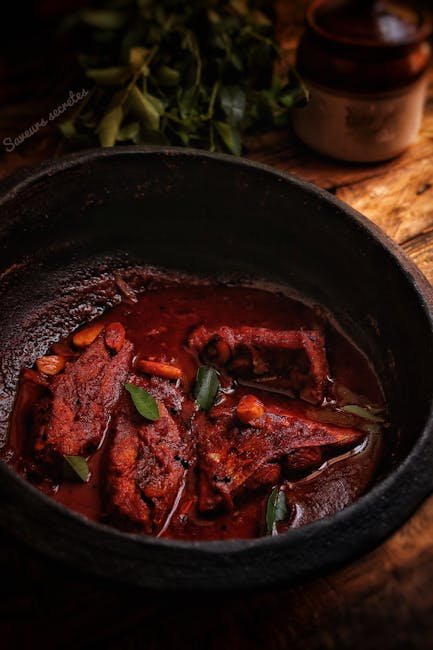
If you’ve ever wanted to cook tender, flavorful meat without the hassle, braising in a nonstick pot is your secret weapon. You might think braising requires special equipment or complicated steps, but it’s easier than you imagine.
In this guide, you’ll discover simple tricks to lock in juices and create mouthwatering dishes right in your own kitchen. Ready to transform your cooking and impress your family? Keep reading to learn how to braise meat perfectly using a nonstick pot.
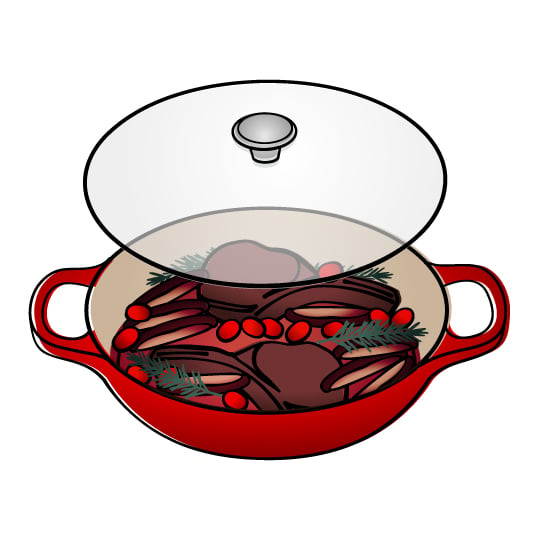
Credit: www.lecreuset.com
Choosing The Right Meat
Choosing the right meatis key for tender, flavorful braising. Tough cuts with lots of connective tissue work best. These become soft and juicy after slow cooking.
- Chuck– well-marbled and affordable
- Brisket– rich and flavorful
- Short ribs– tender and meaty
- Shank– full of collagen for thick sauce
Meat preparationis simple. Pat dry to help browning. Trim excess fat but keep some for flavor. Cut into even pieces so meat cooks uniformly.
Selecting A Nonstick Pot
A nonstick potmakes braising easier and cleaner. Food won’t stick to the surface, so less scrubbing is needed. This helps keep the pot in good shape for a long time. It also uses less oil, making dishes healthier.
Consider these features when choosing a nonstick pot:
- Material:Look for pots with a heavy base to spread heat evenly.
- Size:Pick a size that fits your usual cooking needs.
- Coating quality:High-quality nonstick coating lasts longer and resists scratches.
- Handles:Heat-resistant handles make it safer to move the pot.
- Lid:A tight-fitting lid helps keep moisture for tender meat.
Essential Ingredients For Flavor
Aromatic vegetablesbring rich flavors to braised meat. Common choices include:
- Onions for sweetness
- Carrots for earthiness
- Celery for freshness
- Garlic for a pungent kick
These vegetables create a tasty base for the dish. They soften during cooking and mix well with meat juices.
Herbs and spicesadd depth and complexity. Popular options include:
- Bay leaves for warmth
- Thyme for a subtle herbal note
- Rosemary for pine-like aroma
- Black pepper for mild heat
- Paprika for a smoky flavor
Using fresh or dried herbs depends on availability. Adjust amounts to suit your taste.
Braising Technique Basics
Searing meatin a nonstick pot locks in juices and adds color. Use medium-high heat and a little oil. Let the meat cook without moving it until a brown crust forms. This crust gives the final dish a rich taste and texture.
Aromaticslike onions, garlic, and herbs build deep flavors. Add them after searing the meat. Cook until soft and fragrant. These ingredients make the dish more tasty and smell good while cooking.
| Liquid Type | Flavor Impact | Examples |
|---|---|---|
| Broth or Stock | Mild, savory base | Chicken, beef, or vegetable stock |
| Wine | Adds acidity and depth | Red or white wine |
| Tomato-based | Rich, tangy flavor | Canned tomatoes or puree |
| Water | Neutral, lets other flavors shine | Plain water |
Cooking Process Steps
Keep the heat low to medium for best results. High heat can damage the nonstick surface and burn the meat. Use a lid to trap moisture and heat. This helps cook the meat evenly and keeps it tender.
Check the temperature often. Aim for a gentle simmer, not a boil. Use a thermometer to keep the pot between 180°F and 200°F (82°C – 93°C). This range helps break down tough fibers without drying the meat.
| Meat Type | Cooking Time | Notes |
|---|---|---|
| Beef Chuck | 2 to 3 hours | Cook until very tender |
| Pork Shoulder | 2 to 3 hours | Soft and easy to pull apart |
| Lamb Shanks | 2 to 3 hours | Should fall off the bone |

Credit: www.facebook.com
Finishing Touches
After braising, the sauceoften looks thin. Reducing it thickens the sauce and boosts flavor. Keep the pot on medium heat. Stir the sauce gently as it simmers. Watch closely so it does not burn or stick. The sauce should become glossy and coat the back of a spoon. This process may take a few minutes. Taste and adjust salt or pepper if needed.
Serve the braised meat with simple sides. Here are some good ideas:
- Mashed potatoes absorb the rich sauce well.
- Steamed vegetables add freshness and color.
- Crispy bread helps scoop up the sauce.
- Rice or polenta also pair nicely.
Troubleshooting Common Issues
Dry meatcan ruin a good braise. Keep the meat partly covered with liquidto lock moisture. Use a low heatsetting and cook slowly. Avoid lifting the lid often to keep steam inside. Choose cuts with more fat or connective tissuefor juicier results.
To enhance flavor, brown meat well before braising. This adds a rich taste. Use aromatic vegetableslike onions, garlic, and carrots. Add herbs such as thyme or bay leaves. A splash of acidic liquidlike wine or vinegar brightens the dish. Season the braising liquid properly for a deep flavor.
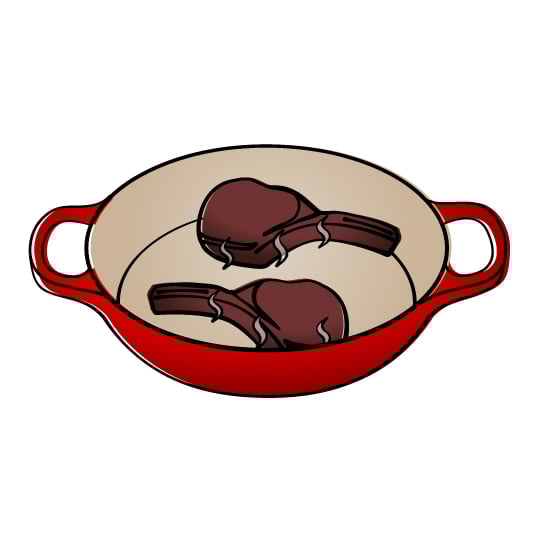
Credit: www.lecreuset.com
Frequently Asked Questions
What Is The Best Meat For Braising In A Nonstick Pot?
Tough, fatty cuts like chuck, brisket, or short ribs braise well in nonstick pots. These cuts become tender and flavorful with slow cooking.
Can I Use A Nonstick Pot For Searing Meat Before Braising?
Yes, you can sear meat in a nonstick pot. Use medium-high heat and avoid metal utensils to prevent damage to the coating.
How Much Liquid Is Needed When Braising Meat In Nonstick Pots?
Use enough liquid to cover about one-third to half of the meat. This ensures even cooking and helps maintain moisture.
Is Braising In A Nonstick Pot Healthier Than Other Methods?
Braising in a nonstick pot requires less oil for searing, making it a healthier cooking option. It also retains nutrients during slow cooking.
Conclusion
Braising meat in a nonstick pot is simple and effective. You get tender, flavorful results with little effort. Just follow basic steps: brown the meat, add liquid, and cook slowly. This method keeps meat juicy and soft. Nonstick pots make cleanup easy too.
Try this technique for your next meal. Enjoy delicious, home-cooked dishes without stress. Cooking can be fun and rewarding. Give it a go!