
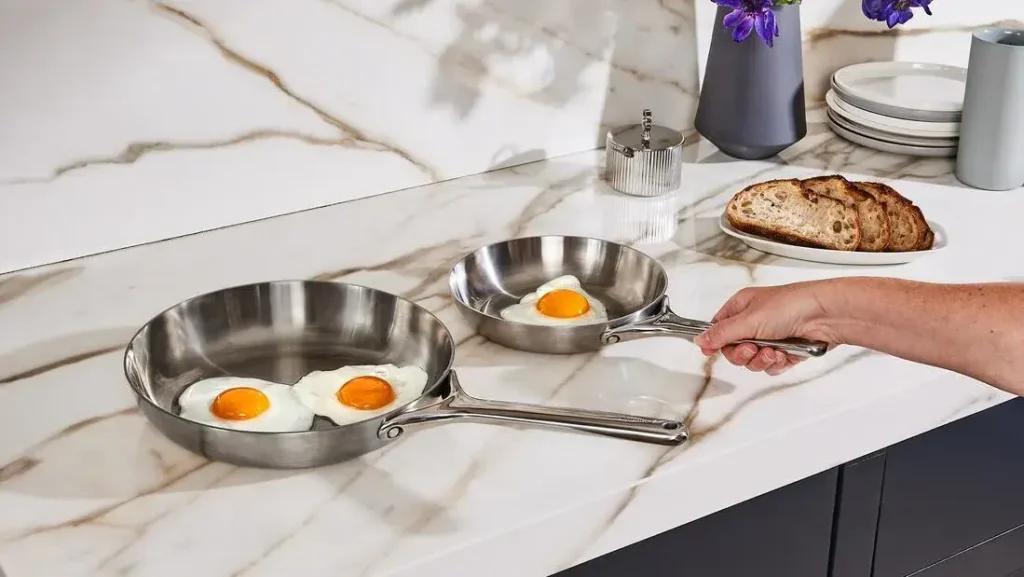
Baking in nonstick cookware can change the way you cook, making it easier and less messy. If you’ve ever struggled with your baked goods sticking or breaking apart, this guide is for you.
You’ll discover simple tips to get perfect results every time, without ruining your favorite pans. Ready to make baking smoother and more enjoyable? Keep reading, and you’ll learn how to get the best from your nonstick cookware.
Choosing The Right Nonstick Cookware
Nonstick cookware comes in different materials. Common types include:
- Teflon– popular and easy to clean but can scratch.
- Ceramic– non-toxic and good for high heat.
- Hard-anodized aluminum– durable and heats evenly.
Choosing the right size and shapematters for baking success. Use smaller pans for muffins or cupcakes. Larger pans work well for cakes or brownies.
Square, round, or rectangular shapes each suit different recipes. Round pans help bake cakes evenly. Rectangular pans are great for sheet cakes or bars.
| Cookware Shape | Best For |
|---|---|
| Round | Cakes, pies |
| Square | Brownies, bars |
| Rectangular | Sheet cakes, casseroles |

Credit: www.carawayhome.com
Prepping Your Cookware
Clean your nonstick cookware gently using a soft sponge and mild soap. Avoid abrasive pads that can scratch the surface. Rinse well and dry thoroughly to prevent water spots. Regular cleaning helps keep the nonstick coating effective and extends the cookware’s life.
Seasoning nonstick pans can improve their performance. Lightly coat the surface with a small amount of cooking oil. Heat the pan on low for a few minutes, then wipe off any excess oil. This process helps maintain the smooth, nonstick surface and prevents food from sticking.
Temperature And Timing
Nonstick cookware needs lower oven temperaturesthan regular pans. Usually, set the oven between 325°F and 375°F. Too high heat can damage the coating and food. Always check your cookware’s manual for exact limits.
Keep a close eye on baking times. Nonstick pans can cook food faster and more evenly. Start checking your dish a few minutes before the recipe’s time ends. This helps avoid overcooking or burning.
- Preheat oven properly before placing cookware inside.
- Use oven mitts to handle hot nonstick pans safely.
- Avoid sudden temperature changes to protect the coating.
Using Baking Accessories
Baking accessories help protect nonstick cookware from scratches and damage. Using silicone or wooden tools keeps the surface smooth and extends its life. Light greasing with oil or butter prevents sticking without harming the coating.
Selecting Baking Mats
Baking mats help keep food from sticking to nonstick pans. They provide a smooth, nonstick surface. Mats can be made of silicone or other heat-safe materials. Silicone mats are easy to clean and reusable. They also help bake food evenly. Choose mats that fit your pan size well. This prevents spills and messes. Baking mats save you from using extra oil or butter. They also protect your cookware’s surface.
Employing Cooling Racks
Cooling racks let air flow under baked goods. This stops sogginess and keeps treats crisp. They are useful for cookies, cakes, and bread. Use racks after removing food from pans. This helps food cool faster and evenly. Cooling racks also prevent moisture buildup. Choose racks with sturdy, heat-safe materials. They fit well over countertops or trays.
Handling And Care
Using the right utensils protects your nonstick cookwarefrom damage. Choose tools made of wood, silicone, or plastic. These materials are gentleand won’t scratch the surface. Avoid metal utensils like forks or knives, which can ruin the coating.
Preventing scratches extends the life of your pans. Never use abrasive scrubbersor steel wool for cleaning. Instead, use a soft sponge or cloth. Store pans carefully, avoiding stacking without protection. Place a cloth or paper towel between pans if stacking is necessary.

Credit: food52.com
Common Baking Mistakes
Overheating nonstick cookwarecan damage the coating. This makes food stick and ruins the pan. Always use low to medium heat for baking. High heat can also release harmful fumes from the pan.
Ignoring cooking instructionscan cause baking failures. Each nonstick pan has specific rules. Not following them may burn your food or cause uneven cooking. Use the right temperature and time as stated in the recipe or on the pan’s label.
Cleaning After Baking
Use warm water and mild dish soap for cleaning nonstick cookware. Avoid abrasive sponges or steel wool that can damage the coating. A soft sponge or cloth works best to protect the surface.
Rinse thoroughly to remove all soap residue. Dry the cookware with a soft towel to prevent water spots and rust on metal parts.
- Do not soak nonstick pans for long periods.
- Store cookware carefully to avoid scratches.
- Use paper towels to clean minor stains.
- Season the pan occasionally with a small amount of oil.
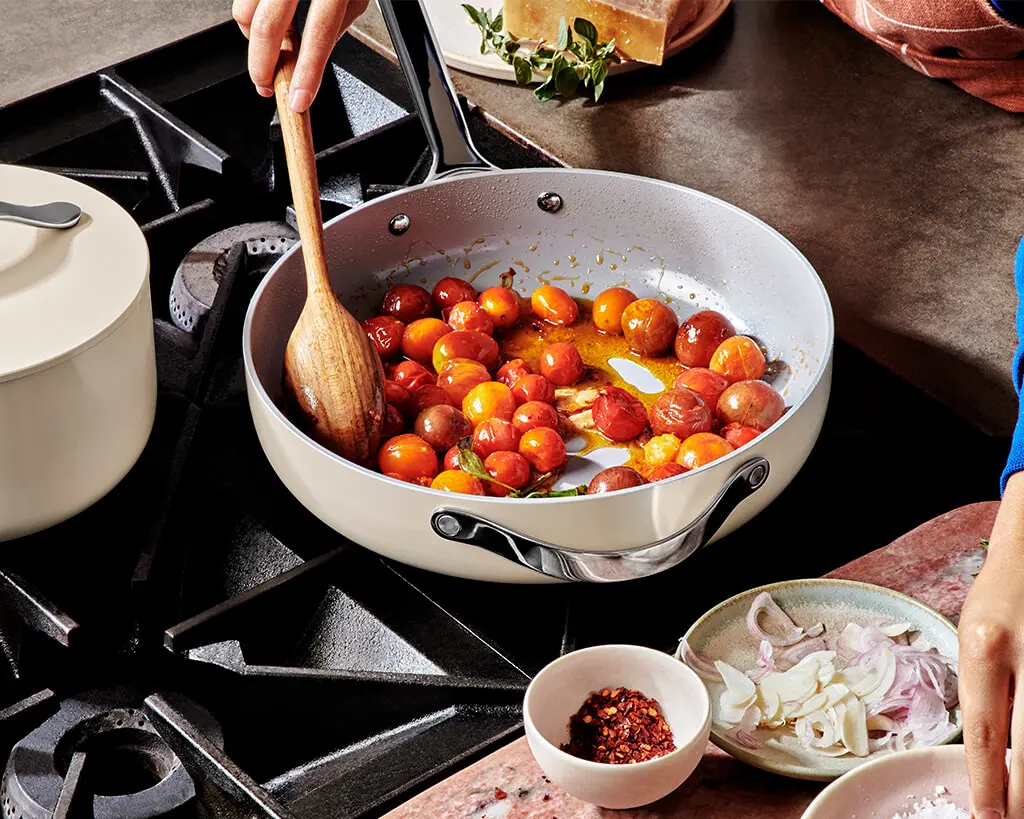
These steps help keep the nonstick surface smooth and durable for longer use.
Credit: www.carawayhome.com
Frequently Asked Questions
Can You Bake Directly In Nonstick Cookware?
Yes, you can bake in nonstick cookware. Ensure the cookware is oven-safe and avoid temperatures above 450°F to prevent damage. Always check the manufacturer’s guidelines to maintain the nonstick coating’s integrity during baking.
How To Prevent Food From Sticking In Nonstick Bakeware?
To prevent sticking, lightly grease the nonstick surface with oil or butter. Avoid using metal utensils that can scratch the coating. This helps maintain the cookware’s nonstick properties and ensures easy food release after baking.
What Temperature Is Safe For Baking In Nonstick Pans?
Most nonstick pans are safe up to 400-450°F. Avoid exceeding these temperatures to protect the coating from deteriorating. Always refer to the specific product instructions for maximum oven-safe temperatures.
Can You Use Metal Utensils With Nonstick Bakeware?
No, avoid metal utensils as they can scratch and damage the nonstick surface. Use silicone, wooden, or plastic tools to preserve the coating and extend the cookware’s lifespan.
Conclusion
Baking with nonstick cookware is simple and effective. Use low to medium heat for best results. Avoid metal utensils to keep the surface safe. Clean gently with soft sponges to extend cookware life. These small steps help you bake delicious food every time.
Enjoy easy cleanup and even cooking. Nonstick pans make baking less stressful and more fun. Try these tips and see the difference yourself. Baking at home can be enjoyable and hassle-free. Your kitchen skills will improve with practice and care.