
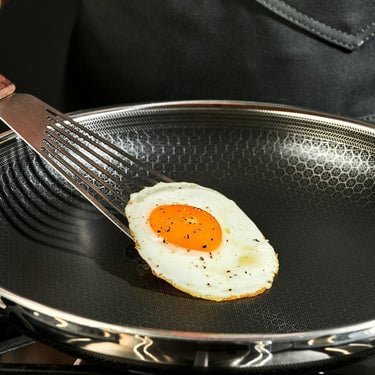
Want to make a perfect omelette every time using your nonstick pan? You’re in the right place.
Cooking an omelette might seem simple, but getting it just right—fluffy, golden, and easy to flip—can be tricky. This guide will show you step-by-step how to use your nonstick pan to make delicious omelettes that look and taste like they’re from a restaurant.
By the end, you’ll have the confidence to whip up this classic breakfast favorite quickly and easily. Ready to become an omelette pro? Let’s dive in!
Credit: themodernproper.com
Choosing The Right Nonstick Pan
Choosing the right materialfor a nonstick pan affects cooking quality. Common types include aluminumand ceramic-coated. Aluminum heats quickly and evenly, making it good for omelettes. Ceramic pans are free from chemicals and easy to clean but may wear out faster.
Size plays an important role too. A pan between 8 to 10 inchesworks best for cooking omelettes. Smaller pans may crowd the eggs, while larger ones can make flipping difficult.
- Aluminum pans: Fast heating, even cooking
- Ceramic pans: Non-toxic, easy cleaning
- 8-10 inch size: Ideal for omelettes
Ingredients For A Fluffy Omelette
Choose fresh, large eggs for a fluffy omelette. Fresh eggs hold their shape better and taste good. Use two or three eggs for one serving. Room temperature eggs mix more evenly and cook better.
Essential add-ins bring flavor and texture. Common choices include:
- Chopped onions
- Diced tomatoes
- Grated cheese
- Sliced mushrooms
- Fresh herbs like parsley or chives
- Salt and pepper for seasoning
Keep add-ins small and evenly chopped. This helps them cook quickly and mix well.
Preparing The Pan
Preheating the nonstick pan is important for a perfect omelette. Warm the pan on medium heat for about 1 to 2 minutes. This helps the eggs cook evenly and prevents sticking.
Choosing between oil and butter depends on taste and cooking style. Butter gives a rich flavor and browns nicely. Oil has a higher smoke point and is less likely to burn.
- Butter:Adds flavor and creates a golden crust.
- Oil:Helps with nonstick and stays stable at higher heat.
Use just a small amount of oil or butter. Too much can make the omelette greasy. Spread it evenly with a brush or paper towel.
Mixing The Eggs
Whisk eggs with a fork or a whisk until smooth. This breaks up the yolks and whites. For a fluffy omelette, whisk faster to trap airinside the eggs.
Try these tips:
- Use a clean, dry bowl for whisking.
- Whisk in a circular motion to mix eggs well.
- Stop whisking once the mixture looks light and slightly frothy.
Adding a small amount of milk or water can help the eggs stay soft and moist. But don’t add too much—just a teaspoon per two eggs is enough.
Cooking The Omelette
Pour the beaten eggs gently into the hot nonstick pan. Tilt the pan slightly to spread the eggs evenly. This helps the omelette cook uniformly and prevents lumps.
Keep the heat on medium-low. Too high heat can burn the eggs quickly. Too low heat makes the omelette dry and tough.
- Use a spatula to lift edges gently as the eggs set.
- Let the uncooked egg flow beneath to cook fully.
- Control the heat to avoid overcooking or sticking.

Credit: www.facebook.com
Folding The Omelette
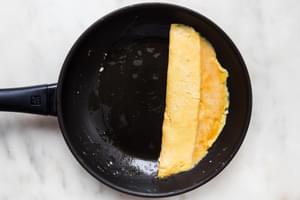
Fold the omelette carefully when the edges start to set but the center is still soft. This timing helps keep the inside creamy and the outside firm. Use a thin, flexible spatula to gently lift one side of the omelette. Slide the spatula under the omelette slowly to avoid breaking it. Then, fold the lifted side over the other half. Press lightly with the spatula to seal the fold. Cook for a few more seconds so the inside finishes cooking without overcooking the outside.
Serving Suggestions
Garnishingcan make your omelette look and taste better. Fresh herbs like parsley, chives, or cilantroadd color and flavor. Sprinkle some grated cheeseor diced tomatoes on top. A dash of black pepper or chili flakesgives a little kick. Thin slices of avocado or olives also work well.
Pairing an omelette with the right sides makes a full meal. Try toast, fresh salad, or roasted potatoes. You can also serve it with fruit slices, yogurt, or baked beans. These sides add texture and balance to your plate.

Credit: pickyeaterblog.com
Troubleshooting Common Issues
Preventing stickingstarts with heating the pan properly. Use medium heat and wait until the pan is warm before adding oil or butter. A thin layer of oil helps create a smooth surface. Avoid using metal utensils; wooden or silicone tools work best. Gently spread the egg mixture evenly to cook without sticking.
Avoiding overcookingkeeps the omelette soft and tasty. Cook on low to medium heat. Watch the edges first; they cook faster. Remove the pan from heat when the top is still slightly runny. The residual heat will finish cooking the omelette without drying it out.
Frequently Asked Questions
How Do I Prevent Omelette From Sticking In A Nonstick Pan?
To prevent sticking, always preheat the pan on low heat. Use a small amount of butter or oil. Pour the beaten eggs evenly and cook gently without high heat.
What Is The Ideal Heat Level For Cooking An Omelette?
Cook your omelette on low to medium heat. High heat can burn the eggs and damage the nonstick surface. Slow cooking ensures even cooking and a soft texture.
Can I Use Metal Utensils On A Nonstick Pan?
Avoid metal utensils as they can scratch the nonstick coating. Use silicone, wooden, or plastic utensils to keep the pan safe and prolong its lifespan.
How Much Oil Or Butter Should I Use In A Nonstick Pan?
Use about half a teaspoon of oil or butter. This amount is enough to coat the pan and prevent sticking without making the omelette greasy.
Conclusion
Cooking an omelette in a nonstick pan is simple and quick. Use low heat to avoid burning. Stir gently and fold with care. Add your favorite fillings for extra taste. Clean the pan easily after cooking. Practice a few times to get it right.
Enjoy a tasty meal made at home. Cooking this way saves time and effort. Try it today and see how easy it is!