
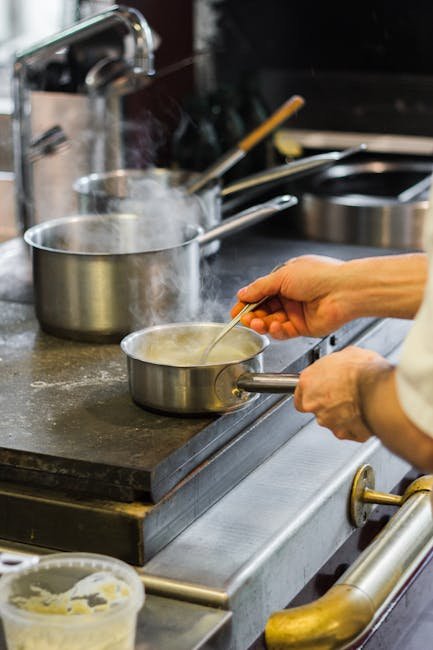
Are your pots looking dull and tired? You want them to shine like new, but cleaning them feels like a chore.
What if you could bring back that sparkle with simple, easy steps? Keeping your pots shiny not only makes your kitchen look great but also helps your cooking last longer. You’ll discover practical tips that anyone can follow to make your pots gleam effortlessly.
Ready to transform your cookware and impress everyone who sees it? Let’s dive in!
Choosing The Right Materials
Stainless steelis popular for its durabilityand shine. It resists rust and scratches well. Cleaning is easy and it keeps its look long time. Great for everyday cooking and shiny pots.
Copper potsheat up quickly and cook food evenly. They look very beautifulwith a bright, warm color. Copper needs regular polishing to keep its shine. It works best for special dishes and careful cooks.
| Feature | Non-Stick Cookware | Traditional Cookware |
|---|---|---|
| Cleaning | Easy, food does not stick | Needs scrubbing, food may stick |
| Durability | Coating can wear off | Very durable, lasts long |
| Heat | Heats unevenly sometimes | Usually heats evenly |
| Appearance | Plain look | Shiny and classic look |

Credit: www.facebook.com
Regular Maintenance Routine
Cleaning pots daily helps keep their shineand stops dirt build-up. Use a soft cloth or sponge with warm, soapy water. Avoid rough scrubbing to protect the surface. Rinse well and dry immediately to prevent water spots. This simple habit keeps pots looking newand stops stains.
Once a week, give pots a deep cleanto remove tough grime. Soak pots in warm water with a few drops of dish soap for 15-20 minutes. Use a non-abrasive scrubber to clean stubborn spots. Rinse thoroughly and dry with a soft towel. This routine restores shineand extends pot life.
Effective Cleaning Techniques
Natural cleanersare gentle and safe for pots. Lemon juiceremoves stains and brightens metal surfaces. Baking sodaacts as a mild abrasive to scrub off dirt without scratching. Mixing baking soda with water makes a paste that cleans well. Vinegardissolves mineral deposits and adds shine. Soaking pots in vinegar for a few minutes helps break down grime. After cleaning, rinse pots thoroughly with warm water and dry with a soft cloth to avoid water spots.
Commercial cleaning products can be effective too. Choose ones made for your pot material, like stainless steel or copper. Follow the instructions on the label carefully. Use a soft sponge or cloth to apply the cleaner. Avoid harsh scrubbing tools that can damage the surface. Always rinse pots well after using chemical cleaners to remove any residue. Store pots in a dry place to keep them shiny longer.

Credit: www.tiktok.com
Dealing With Stubborn Stains
Burnt residueon pots can be tough to clean. Soak the pot in hot water with a bit of dish soap for 30 minutes. Scrub gently with a non-abrasive sponge to avoid scratches. For stubborn spots, use a paste made from baking soda and water. Let it sit for 15 minutes before scrubbing again. Avoid metal scrubbers as they can damage the pot’s surface.
Water spotsmake pots look dull. Wipe pots with a cloth dipped in white vinegar to remove these spots. Rinse well with warm water and dry immediately with a soft towel. This stops water from drying on the pot surface and forming new spots. Regular drying keeps pots looking shiny for longer.
Polishing For Extra Shine
Mix equal parts of white vinegar and water in a spray bottle. Spray on pots and wipe with a soft cloth. For stubborn spots, sprinkle baking soda on a damp sponge and scrub gently. Rinse well with warm water and dry immediately to avoid water marks. Lemon juice also works well to brighten dull spots. Simply rub a lemon half over the pot surface and rinse.
Professional polish products are available for extra shine. These polishes are made to clean and protect metal pots. Apply a small amount on a soft cloth and rub in circles. Buff with a clean cloth for a smooth finish. Always follow the product instructions carefully. Keep pots looking like new with regular polishing.

Credit: www.facebook.com
Storage Tips
To keep pots shinyand scratch-free, always use soft cloth or paper towels between them. Avoid stacking pots directly on top of each other without protection. Use pot protectors or cloth liners to prevent scratcheson the surfaces.
Place pots in a dry, cool spot away from moisture. Store pots in a cupboard or on shelves where they won’t get bumped. Avoid placing them near heat sources that may cause damage.
| Optimal Placement | Reason |
|---|---|
| Dry cabinet or shelf | Keeps pots away from moisture and rust |
| Soft-lined storage | Prevents scratches and dents |
| Organized with space | Reduces risk of pots banging into each other |
Preventive Measures
Overheating pots can cause stains and damage their shine. Use medium or low heat to keep pots safe. Avoid heating empty pots for too long. Hot spots can make pots lose their shine and get burnt marks.
Choose the right cleaning tools. Soft sponges or cloths work best to protect pot surfaces. Avoid steel wool or harsh scrubbers that can scratch pots. Gentle cleaning keeps pots smooth and shiny for a long time.
Long-term Care Strategies
Regular inspections help catch damage early. Check pots for scratches, dents, or stains. Clean off any residue quickly to avoid buildup. Keep an eye on handles and lids for loosening parts. Fix small problems before they grow bigger. This care keeps pots looking shiny and new.
Replacing old cookware is important for safety and shine. Worn-out pots lose their smooth finish and can affect cooking. Choose new pots made from quality materials. This helps keep your kitchen tools reliable and bright. Swap out damaged pots to maintain a clean cooking space.
Frequently Asked Questions
How Do I Clean Pots To Keep Them Shiny?
Use warm water and mild dish soap to clean pots. Avoid abrasive scrubbers that can scratch surfaces. Dry pots immediately with a soft cloth to prevent water spots and maintain shine.
What Natural Ingredients Keep Pots Shiny?
Lemon juice and baking soda work well to restore shine. Apply a paste of baking soda and water, scrub gently, then rinse. Lemon juice helps remove stains and adds a bright finish.
How Often Should I Polish My Pots?
Polish pots every few weeks or after heavy use. Regular polishing prevents tarnish and keeps pots looking new. Use a suitable metal polish or natural alternatives like vinegar for best results.
Can I Use Vinegar To Clean Pots?
Yes, vinegar is effective for removing mineral deposits and stains. Soak pots in a vinegar solution, then rinse and dry. Vinegar restores shine without harsh chemicals, making it safe for most metals.
Conclusion
Keeping pots shiny takes simple daily care and the right tools. Clean pots soon after cooking to stop stains. Use gentle scrubbing and natural cleaners to avoid damage. Regular polishing keeps metal bright and fresh. Small efforts add up to lasting shine.
Enjoy beautiful pots that look new for years. Shine is not just about looks but also about care. Make cleaning a habit, and pots will stay shiny and strong.