
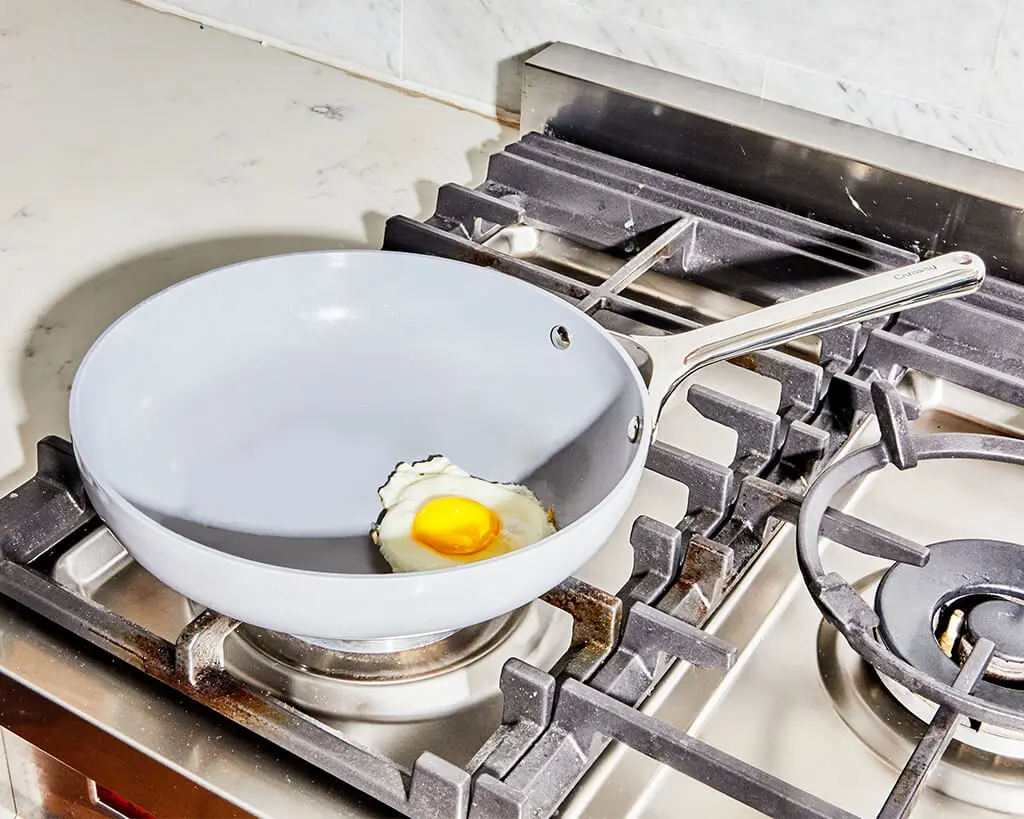
Are you tired of your nonstick cookware losing its shine or warping when you use it on your gas stove? You’re not alone.
Many people struggle with keeping their favorite pans in perfect condition while cooking on gas burners. But what if you could protect your cookware, cook more efficiently, and enjoy easy clean-ups every time? You’ll discover simple tips and tricks to use your nonstick pans safely and effectively on a gas stove.
Keep reading to unlock the secrets that will make your cooking experience smoother and your meals tastier.

Credit: circulon.uk.com
Choosing The Right Nonstick Cookware
Choose nonstick cookware made from aluminum or hard-anodized aluminum. These materials heat quickly and spread heat evenly. Avoid cheap pans with thin layers; they can warp and damage on a gas stove.
Look for a thick, flat base. It keeps the pan steady on the burner and helps even cooking. Rounded or warped bottoms can cause uneven heat and food sticking.
- Small panswork best for low heat and quick meals.
- Large panssuit cooking for families but need a strong flame.
- Wide pans help in frying; deep pans are good for sauces and stews.
A good size and shape match your stove burner. This saves energy and protects the pan.

Credit: www.all-clad.com
Preparing Nonstick Cookware For Use
Rinsethe new nonstick cookware with warm water and mild soap. Use a soft sponge to remove factory oilsand dust. Dry the pan completely with a soft cloth or paper towel.
Seasoning helps protect the nonstick surface and improve cooking. Pour a small amount of vegetable oilor canola oilinto the pan. Spread it evenly using a paper towel. Heat the pan on low flame for about 2 minutes. Let it cool, then wipe off any excess oil with a clean paper towel.
- Use only low heatto avoid damage.
- Never use metal utensils to keep the surface smooth.
- Repeat seasoning every few uses for best results.
Cooking Techniques On Gas Stove
Use medium or low heatto protect the nonstick coating. High heat can damage the surface and reduce its life. Gas flames should not extend beyond the pan’s bottom. A steady, even flame helps cook food well and saves energy.
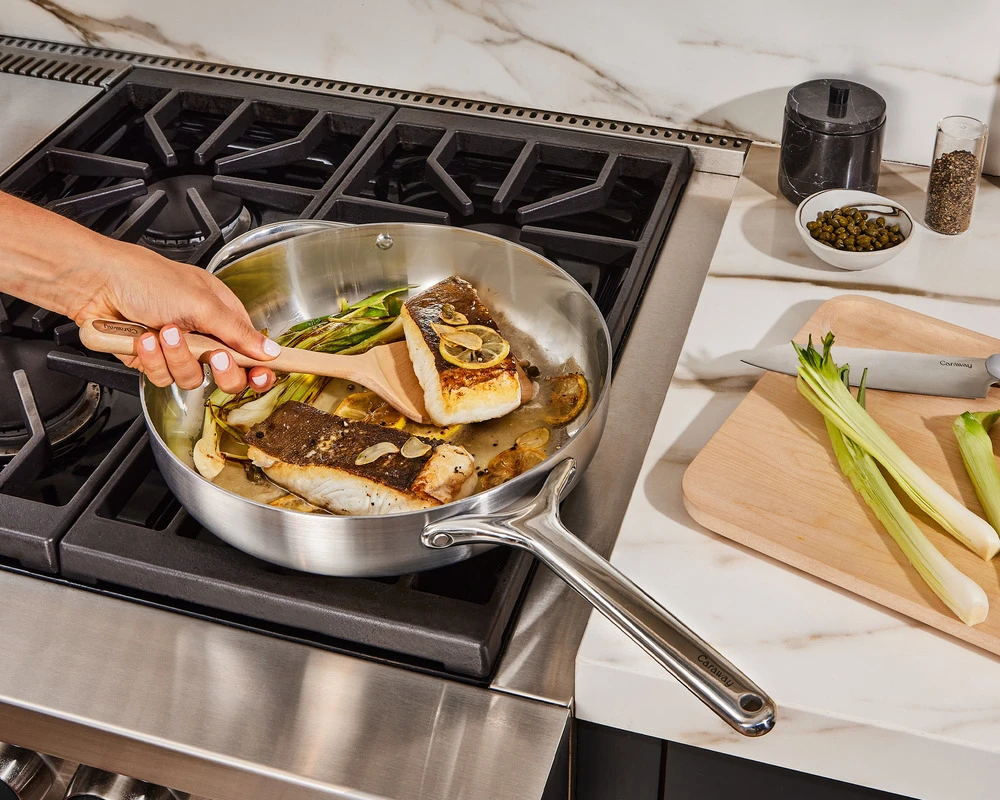
Place the cookware properly on the burner for stable cooking. Avoid sliding the pan on the stove to prevent scratches. Use wooden or silicone utensils to keep the nonstick layer safe. Clean the cookware gently with a soft sponge and mild soap.
- Turn off the burner immediately after cooking to avoid overheating.
- Do not use metal scrubbers or harsh cleaning tools.
- Check for any damages before use to ensure safety.
Credit: www.carawayhome.com
Maintaining Nonstick Cookware
Cleaning nonstick cookwareshould be gentle to protect the surface. Use a soft sponge or cloth with warm, soapy water. Avoid abrasive scrubbers or steel wool, as they can damage the coating. Rinse thoroughly and dry completely before storing to prevent rust or stains.
Storage tipshelp keep your cookware safe and last longer. Stack pans with a soft cloth or paper towel between them to avoid scratches. Store in a dry place away from moisture. Do not hang heavy pans by their handles, as this can weaken them over time.
Common Mistakes To Avoid
Overheatingnonstick cookware can damage the coating. Keep the heat at medium or low levels. High heat may release harmful fumes and ruin the pan’s surface. Always preheat pans gently.
Using metal utensilscan scratch and harm the nonstick layer. Choose utensils made of wood, silicone, or plasticinstead. Scratches reduce the pan’s lifespan and performance.
Expert Recommendations
Choose nonstick cookware designed to work well on gas stoves. Look for pans with a thick, flat base to ensure even heat. Avoid high heat to protect the nonstick layer and keep your food safe. Use medium or low flame for cooking. Always use utensils made from wood, silicone, or plastic to avoid scratching the surface.
Top Brands
| Brand | Key Features |
|---|---|
| T-fal | Durable coating, even heating, affordable |
| Calphalon | Heavy base, scratch resistant, comfortable handles |
| GreenPan | Eco-friendly, ceramic nonstick, good heat distribution |
Additional Accessories
- Silicone spatulas to protect the pan surface
- Heat diffuser to spread flame evenly
- Lids that fit tightly to save energy and moisture
- Soft scrubbers for easy cleaning without damage
Frequently Asked Questions
Can Nonstick Cookware Be Used On A Gas Stove?
Yes, nonstick cookware works well on gas stoves. Use medium or low heat to protect the coating and ensure even cooking. Avoid high flames that can damage the nonstick surface and reduce its lifespan.
How To Prevent Scratches On Nonstick Pans On Gas Stoves?
Use wooden, silicone, or plastic utensils when cooking. Avoid metal tools that can scratch the nonstick coating. Also, do not stack pans without protective layers to maintain the surface integrity.
Is It Safe To Use High Heat With Nonstick Cookware?
No, high heat can damage the nonstick coating and release harmful fumes. Always cook on low to medium heat settings. This prolongs the pan’s life and maintains food safety.
How To Clean Nonstick Cookware After Using On Gas Stoves?
Let the pan cool before washing. Use warm soapy water and a soft sponge. Avoid abrasive cleaners or steel wool to prevent surface damage and maintain nonstick performance.
Conclusion
Using nonstick cookware on a gas stove works well with care. Keep the flame low to protect the coating. Avoid overheating to stop damage and keep food healthy. Use soft utensils to prevent scratches on the surface. Clean the pans gently after each use to make them last longer.
These small steps help your cookware stay safe and perform better. Cooking becomes easier and more enjoyable with the right habits. Remember, simple care keeps your nonstick pans in good shape. Enjoy cooking with confidence and ease every time.