
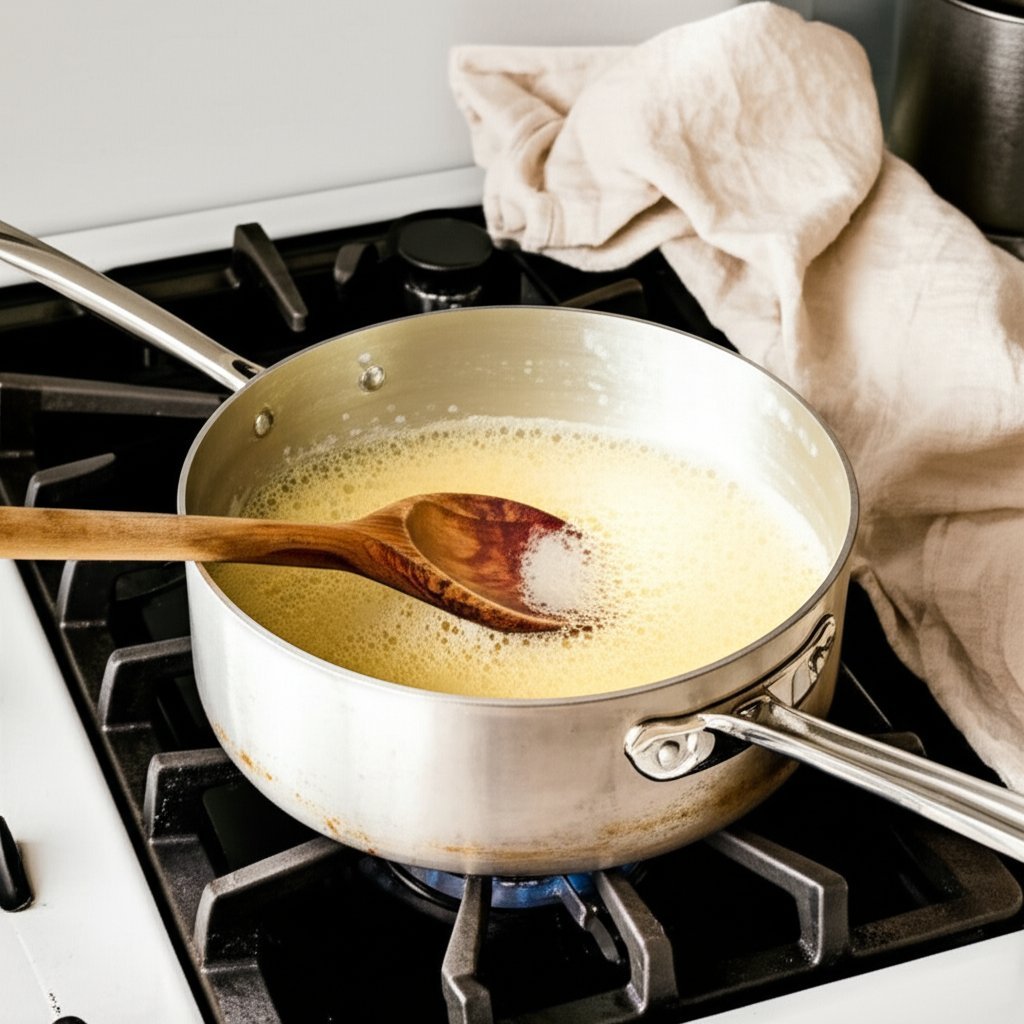
Are you tired of your aluminum pan sticking to your food or losing its shine? Knowing how to season your aluminum pan can change the way you cook and clean forever.
Seasoning creates a natural, non-stick surface that protects your pan and makes cooking easier and more enjoyable. You’ll discover simple, step-by-step tips to bring your aluminum pan back to life and keep it performing at its best. Keep reading—you’re just minutes away from unlocking your pan’s full potential.
Preparing Your Aluminum Pan
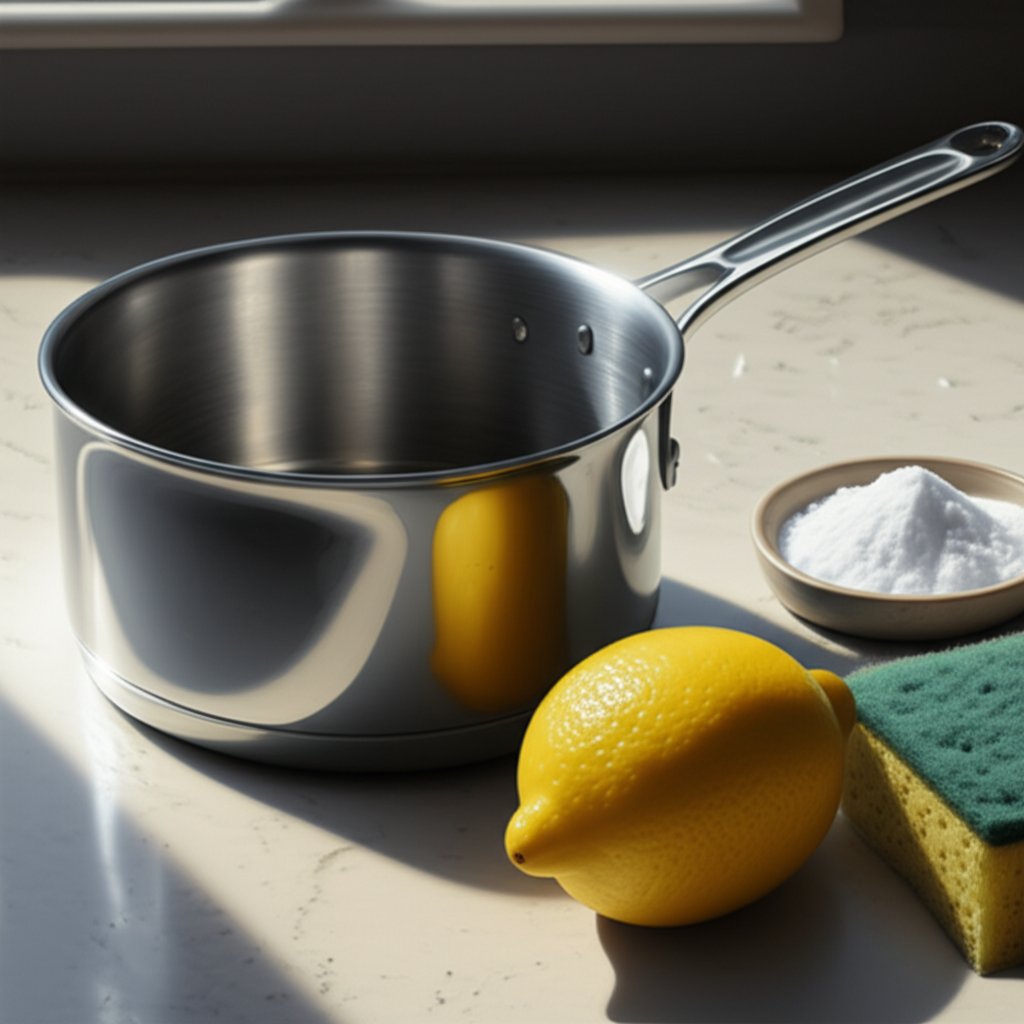
Start by washing the aluminum pan with warm, soapy water. Use a soft sponge to remove dirt and grease. Avoid harsh scrubbers that can scratch the pan’s surface.
Rinse the pan well to remove all soap. Any soap left can affect the seasoning process.
Dry the pan completely using a clean towel. Make sure no water spots remain. Water left on the pan can cause rust or uneven seasoning.
For best results, dry the pan on low heat on the stove. This ensures all moisture evaporates quickly.
Credit: mwpolar.com
Choosing The Right Oil
Choosing the right oil is key to season an aluminum pan well. Some oils create a strong, non-stick layer. Others can leave sticky or uneven patches.
Oils good for seasoning have a high smoke point and dry hard. These oils form a tough coating that lasts long.
- Flaxseed oil:Dries quickly and makes a hard layer.
- Vegetable oil:Easy to find and works well.
- Canola oil:Has a neutral flavor and high smoke point.
- Grapeseed oil:Light taste and dries strong.
Avoid oils that stay sticky or burn fast. These include:
- Olive oil (low smoke point)
- Butter or margarine (can burn and smell bad)
- Coconut oil (can leave a sticky layer)
Applying The Oil
Use a small amount of oil to coat the pan. Spread the oil evenlyon all surfaces. Make sure every part is covered to avoid sticky spots. Use a paper towel or cloth for smooth application.
Remove any excess oilby wiping the pan gently. Too much oil can cause a sticky layer after heating. A thin, even layer helps create a non-stick surface. Avoid leaving pools of oil on the pan.
Heating The Pan
Choose a medium heat to avoid damaging the aluminum pan. Too high heat can warp the pan or cause uneven seasoning. Low heat might not allow the oil to bond well with the surface.
Heat the pan for about 10 to 15 minutes. This time helps the oil form a thin, protective layer. Keep the pan on the stove or in the oven, depending on your method.
- Preheat the pan slowly to the right temperature.
- Keep the heat steady to ensure even seasoning.
- Do not rush the process by increasing heat too much.
- Watch the pan carefully to avoid smoke or burning.
Cooling And Storing
Let the pan cool down naturally on a heat-safe surface. Avoid putting cold water on the hot pan. Rapid cooling can cause warping or damage.
Store the aluminum pan in a dry place to stop rust or stains. Keep it away from other metal objects to avoid scratches.
- Place a soft cloth or paper towel between pans if stacked.
- Keep the pan in a cupboard or shelf with good air flow.
- Avoid damp or humid areas to prevent corrosion.

Credit: www.facebook.com
Maintaining The Seasoning
Use warm water and mild soap for regular cleaning. Avoid harsh scrubbing that can damage the seasoning. Gently wipe the pan with a soft cloth or sponge. Dry it completely to stop rust from forming.
Re-seasoningis needed when food starts to stick or the surface looks dull. Apply a thin layer of oil all over the pan. Heat it on low for about an hour. Let it cool down before using or storing.
Credit: www.shengxinaluminium.com
Frequently Asked Questions
How Do You Season An Aluminum Pan Properly?
To season an aluminum pan, clean and dry it thoroughly. Apply a thin layer of oil, heat the pan on medium for 10 minutes, then let it cool. This process creates a protective, non-stick surface to enhance cooking performance and durability.
Why Is Seasoning Important For Aluminum Pans?
Seasoning prevents food from sticking and reduces corrosion. It builds a natural non-stick layer, enhancing cooking results. Proper seasoning also extends the pan’s lifespan by protecting the aluminum surface from damage and oxidation.
Can I Use Vegetable Oil To Season Aluminum Pans?
Yes, vegetable oil works well for seasoning aluminum pans. It creates an effective non-stick coating when heated. Choose oils with a high smoke point for best results, such as canola, sunflower, or grapeseed oil.
How Often Should I Season My Aluminum Pan?
Season your aluminum pan every few months or when food starts sticking. Regular seasoning maintains the protective layer and keeps the surface smooth. Frequent seasoning helps preserve the pan’s quality and cooking efficiency.
Conclusion
Seasoning an aluminum pan helps stop food from sticking. It also protects the pan from damage and rust. Regular seasoning keeps your pan in good shape for years. Clean the pan well before you start. Apply oil evenly and heat it carefully.
Repeat the process as needed to build a strong layer. A well-seasoned pan makes cooking easier and cleanup faster. Try this simple method to enjoy better cooking results. Keep your aluminum pan ready for any meal!