
Are you craving a smooth, creamy custard but don’t want to fuss with complicated tools or recipes? Making custard in a saucepan is easier than you think, and once you master it, you’ll impress yourself and anyone you serve it to.
Imagine enjoying rich, velvety custard made right in your kitchen, perfect for desserts or even as a comforting treat on its own. Keep reading, and you’ll learn simple steps to create delicious custard that will become your new favorite go-to recipe.
Your taste buds will thank you!
Ingredients For Homemade Custard
The basic ingredients for homemade custardare simple and easy to find. You need:
- Milk– full cream or whole milk gives the best taste.
- Egg yolks– these make the custard thick and smooth.
- Sugar– adds sweetness to balance the flavor.
- Vanilla extract– for a nice, natural aroma.
- Cornstarch(optional) – helps thicken the custard faster.
Using fresh and good quality ingredients ensures the custard tastes rich. Measure ingredients carefully for the right texture.
:max_bytes(150000):strip_icc()/258370-frozen-vanilla-custard-VAT-007-step-03-4c84f5cd4e244d7e8d015e92dc3f62f1.jpg)
Credit: www.allrecipes.com
Choosing The Right Saucepan
Choosing the right saucepan is keyfor making smooth custard. A heavy-bottomed saucepanhelps heat the milk evenly. This prevents the custard from burning or sticking to the pan.
Look for a pan with a non-stick surface. It makes stirring easier and cleaning quicker. A small to medium sizepan is best. It allows you to control the heat well and avoid overheating.
The saucepan should have a comfortable handle. This helps when stirring the custard for several minutes. A wide basespreads heat better than a narrow one.
- Heavy-bottomed for even heat
- Non-stick surface for easy stirring
- Small to medium size for better control
- Comfortable handle for safe stirring
- Wide base to spread heat evenly
Preparing The Custard Mixture
Warm the milk gently in a saucepan over low heat. Stir in the sugar until it dissolves completely. This creates a smooth, sweet base for the custard.
In a separate bowl, whisk the egg yolks until they become light and creamy. This helps the custard to thicken evenly when cooked.
Slowly pour a small amount of the warm milk mixture into the egg yolks. Whisk constantly to prevent the eggs from cooking too fast.
Mixing the milk and eggs carefully is key to a smooth custard without lumps.
Cooking Custard On Stovetop
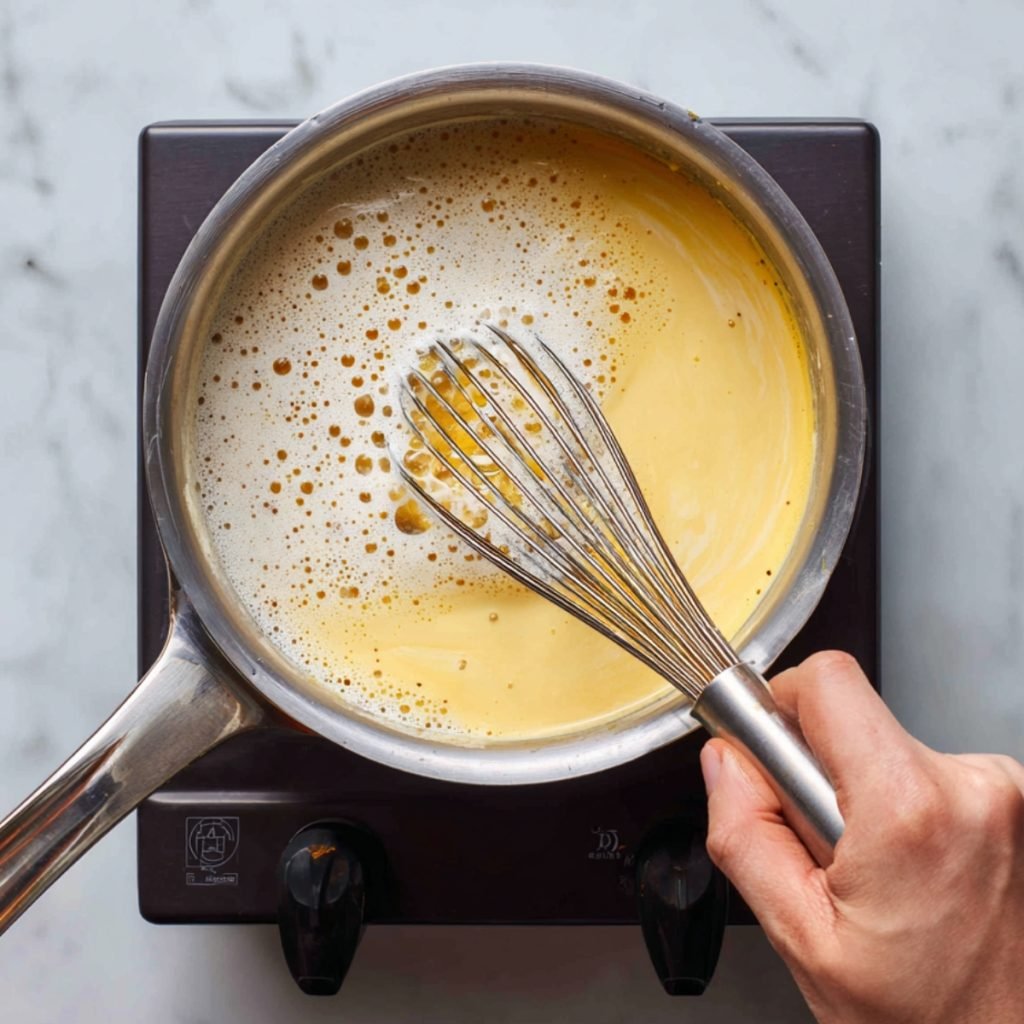
Heat the custard mixture gently in a saucepan over low heat. Stir it often to prevent lumps and burning. Keep the heat low to avoid curdling. The mixture will slowly thicken as it warms up. Do not rush by turning the heat too high.
Stirring is key for a smooth texture. Use a wooden spoon or whisk to stir constantly. Move the spoon in a circular motion, scraping the sides and bottom of the pan. This stops the custard from sticking and forming lumps. Stir until the custard coats the back of the spoon. Then, it is ready to serve or cool.
Achieving The Perfect Consistency
Custard is readywhen it thickly coats the back of a spoon. Run your finger through the coating; a clear line means perfect thickness. It should feel smooth and creamy, not lumpy or watery.
Avoid overcookingas it causes curdling or a grainy texture. Stir constantly to prevent burning and sticking to the pan’s bottom. Use low heat for gentle cooking and better control.
- Watch for slight steam and bubbles around the edges.
- Remove from heat just before it fully thickens; it will thicken more as it cools.
- Keep stirring to spread heat evenly.
Flavor Variations And Enhancements
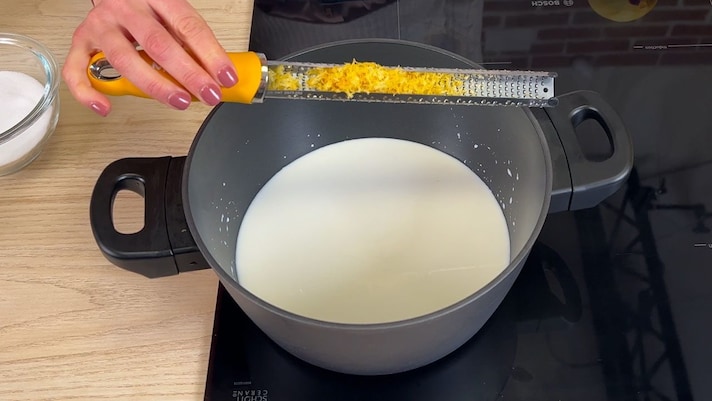
Vanilla extract is the most common choice for custard. It gives a sweet and warm flavor. Use about one teaspoon for a rich taste. Other extracts like almond or coconut work well too. They add a unique twist without changing the texture.
Spices can make custard more interesting. Try cinnamon, nutmeg, or cardamom. Just a pinch or two is enough. These spices bring a warm and cozy feelingto the custard.
- Vanilla extract:classic and smooth
- Almond extract:nutty and sweet
- Coconut extract:tropical and fresh
- Cinnamon:warm and spicy
- Nutmeg:slightly sweet and nutty
- Cardamom:floral and aromatic
Serving Suggestions
Custardpairs well with many desserts. It adds a smooth, creamy texture and mild sweetness. Serve it over fruit tarts, cakes, or bread puddingsfor extra flavor. Warm custard poured on top of apple pieor crispmakes a cozy treat.
Enjoy custard alone as a simple, soft dessert. Chill it for a cool, refreshing snack. Sprinkle with a little cinnamonor nutmegto add a warm spice touch. A dollop of whipped cream can make it extra special.
Credit: www.cookist.com
Storing And Reheating Custard
Store custardin an airtight container to keep it fresh. Cool it down to room temperature before sealing. Place it in the refrigerator and use within 2 days for best taste. Avoid leaving custard out for too long to stop bacteria growth.
Reheat gentlyto keep the smooth texture. Warm custard in a saucepan over low heat. Stir often to stop lumps from forming. Adding a little milk can help if custard is too thick.
- Use low heat to avoid burning.
- Stir continuously for even warming.
- Do not boil custard when reheating.
- Microwave reheating: heat in short bursts, stirring in between.

Credit: www.tasteofhome.com
Frequently Asked Questions
How Long Does It Take To Make Custard In A Saucepan?
Making custard in a saucepan usually takes about 10 to 15 minutes. Stir constantly over medium heat to prevent lumps. The custard thickens once it coats the back of a spoon. Remove from heat immediately to avoid curdling.
What Ingredients Are Needed For Saucepan Custard?
You need milk, eggs or egg yolks, sugar, and vanilla extract. Cornstarch can be added for extra thickness. These basic ingredients create a smooth, creamy custard when cooked gently in a saucepan.
How Do I Prevent Lumps In Saucepan Custard?
Stir continuously and cook over low to medium heat. Whisk the egg mixture well before adding hot milk slowly. Avoid boiling the mixture as high heat causes curdling and lumps.
Can I Use Any Type Of Milk For Custard?
Yes, whole milk or cream works best for rich custard. You can use low-fat or plant-based milk, but the texture may differ. Whole milk provides the creamiest, smooth custard result.
Conclusion
Making custard in a saucepan is easy and fun. Just follow the steps carefully, and you will get smooth, creamy custard. Stir often to avoid lumps and cook on low heat. Use fresh ingredients for the best taste. Enjoy your homemade custard with fruits or desserts.
Practice a few times to get better. Soon, you will feel confident to try new flavors. Cooking custard this way saves time and money. Give it a try today and enjoy a tasty treat!