
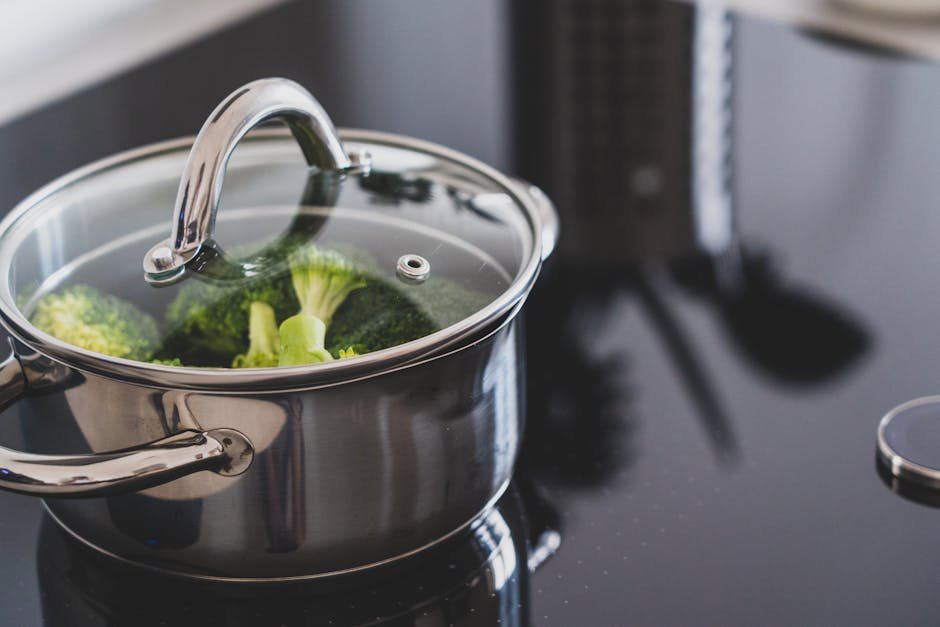
Are you looking for a simple, healthy way to cook your vegetables without extra oil or mess? Steaming vegetables in a nonstick pot is one of the easiest methods to keep their flavor, color, and nutrients intact.
But if you’re not sure how to do it right, you might end up with soggy or undercooked veggies. In this post, you’ll discover the step-by-step process to steam your vegetables perfectly every time using a nonstick pot. By the end, you’ll feel confident to make delicious, tender veggies that your whole family will love.
Keep reading to unlock the secrets of easy and healthy steaming!
Benefits Of Steaming Vegetables
Steaming vegetableskeeps most of their nutrients intact. This cooking method uses hot steam instead of boiling water, so vitamins like C and B stay in the food. It also preserves the natural color and texture of vegetables, making them look and taste fresh.
Steamed vegetables are easy to digest and low in fat since no oil is needed. This helps keep meals healthy and light. It is also a quick way to cook, saving time in the kitchen.
- Retains nutrients betterthan boiling
- Preserves natural colorand crunch
- Requires no oil, so low in fat
- Easy to digestand healthy
- Quick cookingmethod
Credit: www.vevor.ca
Choosing The Right Nonstick Pot
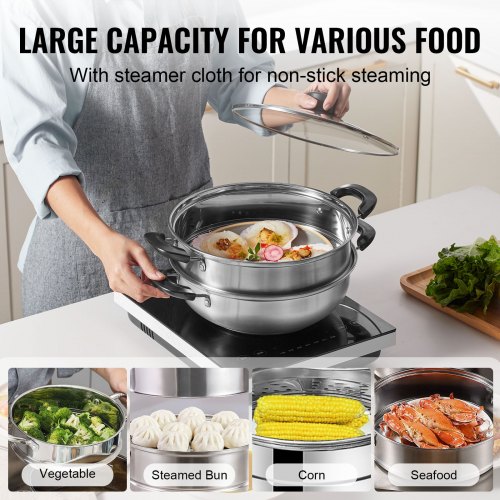
Choose a nonstick pot with a tight-fitting lid. This keeps steam inside and cooks vegetables evenly. Look for pots with durable, scratch-resistant coatingto avoid damage from utensils. The size of the pot matters; a medium size works best for most vegetables. A pot with a steaming basket or inserthelps keep veggies above water. This prevents sogginess and keeps them crisp. Make sure the pot is easy to cleanand fits your stove type. Pots with heat-resistant handlesmake cooking safer. Avoid pots that warp quicklyor have thin bottoms; they heat unevenly. Choose a pot that feels stable and sturdyon the stove. This helps with safe and easy steaming every time.
Preparing Vegetables For Steaming
Start by rinsing vegetables under cold water. This removes dirt and germs. Use a clean sink or bowl to wash them well. Drain the water completely to avoid soggy veggies.
Cut vegetables into similar sizes. This helps them cook evenly in the pot. Use a sharp knife and a cutting board for safety. Larger pieces take longer to steam.
Choose fresh produce that looks bright and firm. Avoid vegetables with soft spots or bad smells. Fresh veggies keep their taste and nutrients better during steaming.
Steaming Techniques
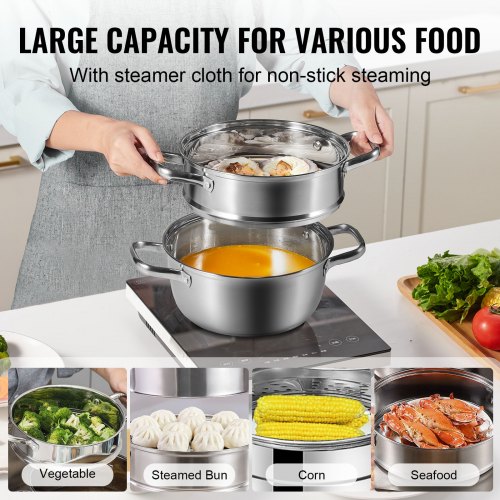
Using a steamer basketis a simple way to steam vegetables in a nonstick pot. Place the basket inside the pot and add about an inch of water. Make sure the water does not touch the vegetables. Cover the pot with a lid and heat the water to create steam. The steam cooks the vegetables gently, keeping their color and nutrients.
Direct pot steaming involves placing vegetables directly in a small amount of water in the nonstick pot. Cover the pot tightly with a lid. The vegetables cook in the steam from the boiling water. Stir occasionally to avoid sticking. This method works well for softer vegetables.
Cooking Times For Different Vegetables
Leafy greenslike spinach and kale steam quickly. They usually take 2 to 4 minutes. Check often to avoid overcooking. They become soft and bright green.
Root vegetablessuch as carrots, potatoes, and beets need more time. Steam for 10 to 15 minutes. Cut them into small pieces for faster cooking. They should be tender when done.
Cruciferous vegetableslike broccoli, cauliflower, and Brussels sprouts take about 6 to 8 minutes. They stay crisp yet tender if not overcooked. Check with a fork to test softness.

Credit: www.hungryhuy.com
Enhancing Flavor And Nutrition
Steaming vegetables in a nonstick pot keeps them soft and tasty. Adding fresh herbslike thyme or basil gives a nice aroma. Sprinkle some spicessuch as black pepper or paprika for a little heat. These small touches make vegetables more exciting to eat.
Using brothsinstead of plain water adds rich flavor. Try chicken, vegetable, or beef broth to steam your veggies. You can also serve steamed vegetables with simple sauces. A light drizzle of olive oil and lemon juice works well. Or use a mild cheese sauce for a creamy touch.
Tips For Maintaining Nonstick Pot
Avoid using metal utensils to protect the nonstick surface while steaming vegetables. Clean the pot gently with a soft sponge and mild detergent after use. Always use low to medium heat to maintain the coating and prevent damage.
Proper Cleaning Techniques
Use warm, soapy water and a soft sponge to clean your pot. Avoid abrasive scrubbers or steel wool. These can scratch the nonstick surface. Let the pot cool before washing to prevent damage. Dry it well with a soft cloth to stop water spots.
Avoiding Metal Utensils
Metal tools can harm the nonstick coating. Choose wooden, silicone, or plastic utensils instead. These materials are gentle and keep your pot safe. This helps your pot last longer and stay nonstick.
Credit: www.vevor.ca
Frequently Asked Questions
How Do You Steam Vegetables In A Nonstick Pot?
Add a small amount of water to the pot. Place a steaming rack or basket inside. Arrange vegetables above the water. Cover with a lid and steam until tender.
Can I Use Any Nonstick Pot For Steaming Vegetables?
Yes, most nonstick pots can be used. Ensure the pot has a tight-fitting lid. Use a steaming rack or basket to keep vegetables above water.
How Much Water Is Needed To Steam Vegetables In A Nonstick Pot?
Use about 1 to 2 inches of water. The water should not touch the vegetables. This amount creates enough steam without boiling the vegetables.
What Vegetables Are Best For Steaming In A Nonstick Pot?
Leafy greens, broccoli, carrots, and beans steam well. Choose vegetables that cook quickly and evenly. Adjust steaming time based on vegetable density and size.
Conclusion
Steaming vegetables in a nonstick pot is quick and healthy. It keeps nutrients and colors bright. Use just a little water and cover the pot tightly. Check vegetables often to avoid overcooking. This method saves time and cleans easily. Try different veggies to find your favorite mix.
Simple steps lead to tasty, fresh meals every time. Enjoy cooking with confidence and ease.