
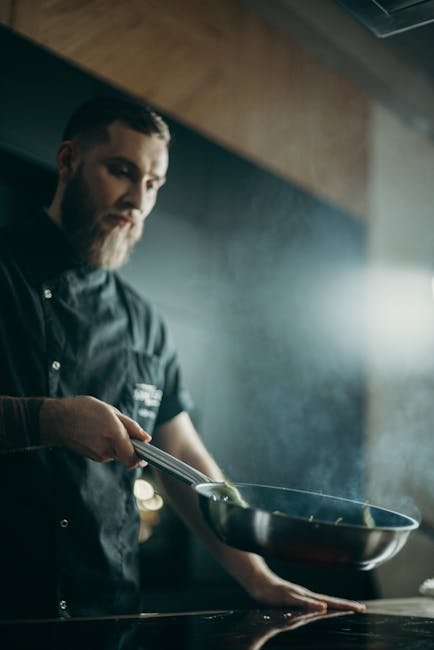
Choosing the right nonstick pan coating can change the way you cook every meal. You want a pan that heats evenly, cleans easily, and lasts a long time without peeling or scratching.
But with so many options out there, how do you know which one is best for your kitchen? This guide will help you understand the different types of nonstick coatings, what makes them safe, and how to pick one that fits your cooking style and needs.
Keep reading to make sure your next pan is the perfect match for your recipes and your lifestyle.
Types Of Nonstick Coatings
PTFEcoatings are common and known for their excellent nonstick properties. They allow food to slide off easily and require less oil for cooking. PTFE pans heat quickly but can get damaged by high heat or metal utensils. It’s best to use wooden or silicone tools with them.
Ceramiccoatings are made from inorganic materials. They are free from chemicals like PTFE and work well at higher temperatures. Ceramic pans can be less slippery than PTFE but are usually safer for cooking at high heat. They may wear out faster if not cared for properly.
Anodized Aluminumis aluminum treated to make it harder and more durable. This coating resists scratches and corrosion. It offers good heat distribution and a naturally nonstick surface. Pans with this coating are sturdy and last longer but may need some oil for nonstick effect.

Credit: www.bbcgoodfood.com
Durability Factors
Heat resistancetells how well the pan holds up under high temperatures. A good nonstick pan should resist heat up to at least 450°F. This keeps the coating from breaking down and releasing harmful fumes.
Scratch resistancemeans the pan can handle utensils without damage. Harder coatings like ceramic or titanium blends last longer and keep food from sticking. Avoid sharp tools to protect the surface.
Longevitydepends on both heat and scratch resistance. A durable pan keeps its nonstick power after many uses and cleanings. Choose pans with multiple layers of coating for better wear over time.
Safety Considerations
Toxicity concernsarise from some nonstick coatings. Some older coatings release harmful fumes if overheated. Modern pans use safer materials like ceramic or PTFE with improved safety. It is important to avoid heating pans above the recommended temperature. This reduces the risk of toxic fumes.
Environmental impactdepends on coating materials and production methods. Some coatings use chemicals that harm the environment during manufacturing or disposal. Choosing pans with eco-friendly coatings helps reduce pollution. Recycling nonstick pans properly also lessens environmental damage.
- Use wooden or silicone utensils to avoid scratching coatings.
- Clean pans gently with non-abrasive sponges.
- Avoid overheating to protect coating quality and safety.
- Replace pans once coating shows wear or damage.
- Follow manufacturer instructions for care and use.

Credit: cookandpan.com
Performance Evaluation
Cooking efficiency depends on how evenly the pan heats. A good nonstick coating helps food cook faster and stops sticking. It saves oil and keeps food healthy. Pans with quality coatings use less heat and cook food well.
Ease of cleaning is important. Coatings that resist food sticking make washing easy. Usually, a soft sponge and warm water clean the pan quickly. Avoid scrubbing hard to keep the coating safe.
Nonstick effectiveness means the pan should stop food from sticking even with little oil. The coating should last a long time without peeling or wearing off. Good nonstick pans let you cook eggs, pancakes, and more with no trouble.
Maintenance Tips
Use a soft sponge or cloth to clean the pan. Avoid metal scrubbers that can scratch the coating. Wash with warm, soapy water after each use. For tough stains, soak the pan in warm water for a few minutes. Never put a nonstick pan in a dishwasher unless the manufacturer says it is safe.
Store pans carefully to avoid damage. Place a soft cloth or paper towel between stacked pans. Keep pans in a dry place to prevent rust on metal parts. Avoid placing heavy items on top of nonstick pans.
Check the pan regularly for scratches or peeling. If the coating is damaged, stop using the pan to avoid health risks. Look for any warping or loose handles that affect safety and cooking quality.

Credit: food52.com
Expert Buying Advice
Choosing a nonstick pan coating needs care. Budgetplays a big role. Less costly pans may wear out faster. Higher price often means better quality and longer use.
Brand reliabilitymatters too. Trusted brands usually offer safer and more durable coatings. They also follow strict safety rules for materials.
Warranty and servicegive peace of mind. A good warranty shows the brand trusts its product. Check how long the warranty lasts and what it covers.
| Factor | What to Look For |
|---|---|
| Budget | Affordable price that matches quality and lifespan |
| Brand Reliability | Well-known brands with good reviews and safety standards |
| Warranty & Service | Clear warranty terms and responsive customer support |
Frequently Asked Questions
What Types Of Nonstick Coatings Are Safest For Cooking?
Ceramic and PTFE coatings are popular and safe options. Ceramic is free from harmful chemicals. PTFE is safe when not overheated above 500°F, preventing toxic fumes.
How Do I Know Which Nonstick Pan Coating Lasts Longest?
Hard-anodized aluminum with a ceramic coating usually lasts longest. It resists scratches and high heat better than traditional Teflon coatings.
Can I Use Metal Utensils On Nonstick Pans?
Using metal utensils can damage most nonstick coatings. It’s best to use wooden, silicone, or plastic tools to prolong the pan’s life.
Are Nonstick Pans With Ceramic Coating Eco-friendly?
Yes, ceramic coatings are generally eco-friendly. They often use fewer chemicals and release fewer toxins during cooking compared to traditional coatings.
Conclusion
Choosing the right nonstick pan coating makes cooking easier and cleaner. Think about your cooking style and health needs first. Some coatings last longer, while others are safer at high heat. Consider how much care the pan needs. A good nonstick pan saves time and effort in the kitchen.
Take your time to pick one that fits your needs well. This way, you enjoy cooking and cleaning with less stress. Simple choices lead to better meals every day.