
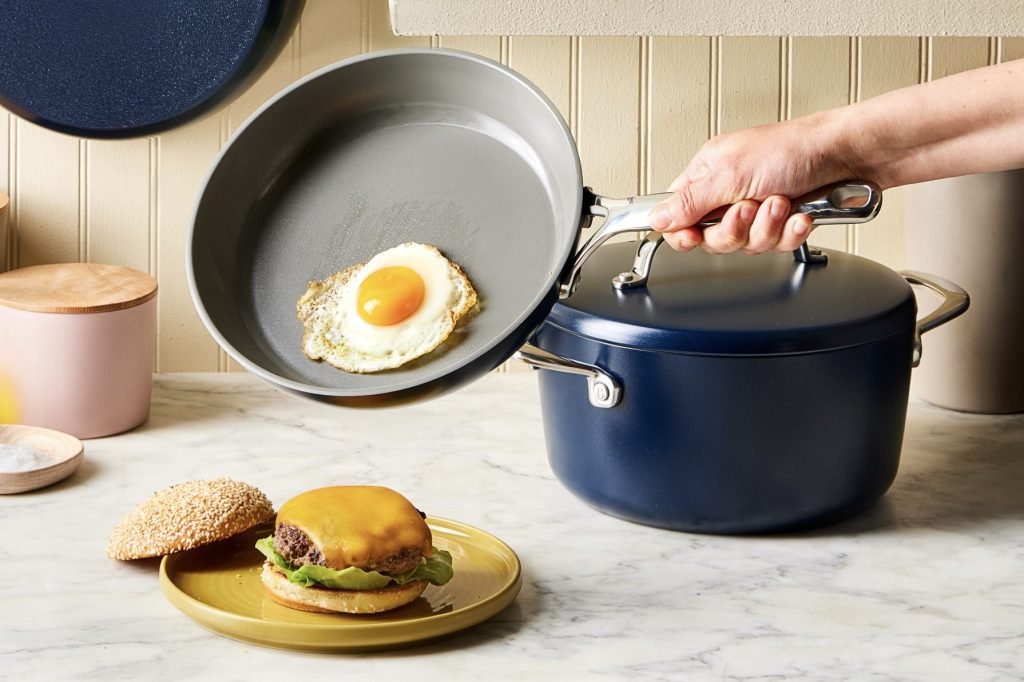
If you want your nonstick cookware to last longer and perform better, seasoning it is a simple trick you shouldn’t overlook. Seasoning creates a natural, protective layer that keeps food from sticking and helps your pans stay smooth and easy to clean.
In this guide, you’ll learn exactly how to season your nonstick cookware the right way—so you can cook with confidence and enjoy every meal without the frustration of stuck-on food. Ready to unlock the full potential of your pans? Keep reading!
Credit: www.beka-cookware.com
Benefits Of Seasoning Nonstick Cookware
Seasoning nonstick cookwarehelps keep the surface smooth and sticky-free. It forms a thin, protective layer that stops food from sticking. This layer also makes cleaning easier and quicker.
Seasoned cookware lasts longer. It resists scratches and damage better. The surface stays shiny and works well every time.
- Improves nonstick performancefor better cooking results.
- Prevents food from sticking, saving time and effort.
- Makes cleaning simpleand less messy.
- Protects cookware surfacefrom scratches and wear.
- Extends the lifeof your nonstick pans.

Credit: rachaelray.com
Choosing The Right Nonstick Cookware
Nonstick cookware comes in several materials. The most common ones are PTFE (Teflon), ceramic, and anodized aluminum. PTFE has a smooth surface and needs careful seasoning. Ceramic is naturally nonstick but can wear out faster. Anodized aluminum is durable and heats evenly. Each type needs different care to keep the coating strong.
| Material | Features | Care Tips |
|---|---|---|
| PTFE (Teflon) | Very smooth, nonstick, sensitive to high heat | Season with oil, avoid metal utensils |
| Ceramic | Natural, non-toxic, less durable | Use low to medium heat, avoid harsh scrubbing |
| Anodized Aluminum | Strong, evenly heats, scratch-resistant | Season regularly, use soft utensils |
Popular brands include T-fal, known for affordable and reliable pans. GreenPanoffers ceramic options that are eco-friendly. Calphalonhas anodized aluminum pans favored by many cooks. Choosing a brand depends on your budget and cooking needs.
Essential Tools For Seasoning
Oils and fatswith a high smoke point work best for seasoning nonstick cookware. Examples include:
- Vegetable oil
- Canola oil
- Sunflower oil
- Flaxseed oil
- Grapeseed oil
Avoid oils that burn quickly, like butter or olive oil. These can leave sticky residue.
Cleaning suppliesshould be gentle to protect the nonstick surface. Use:
- Soft sponges or cloths
- Mild dish soap
- Warm water
Harsh scrubbers and strong chemicals can damage the coating. Always dry the cookware well before seasoning.
Step-by-step Seasoning Process
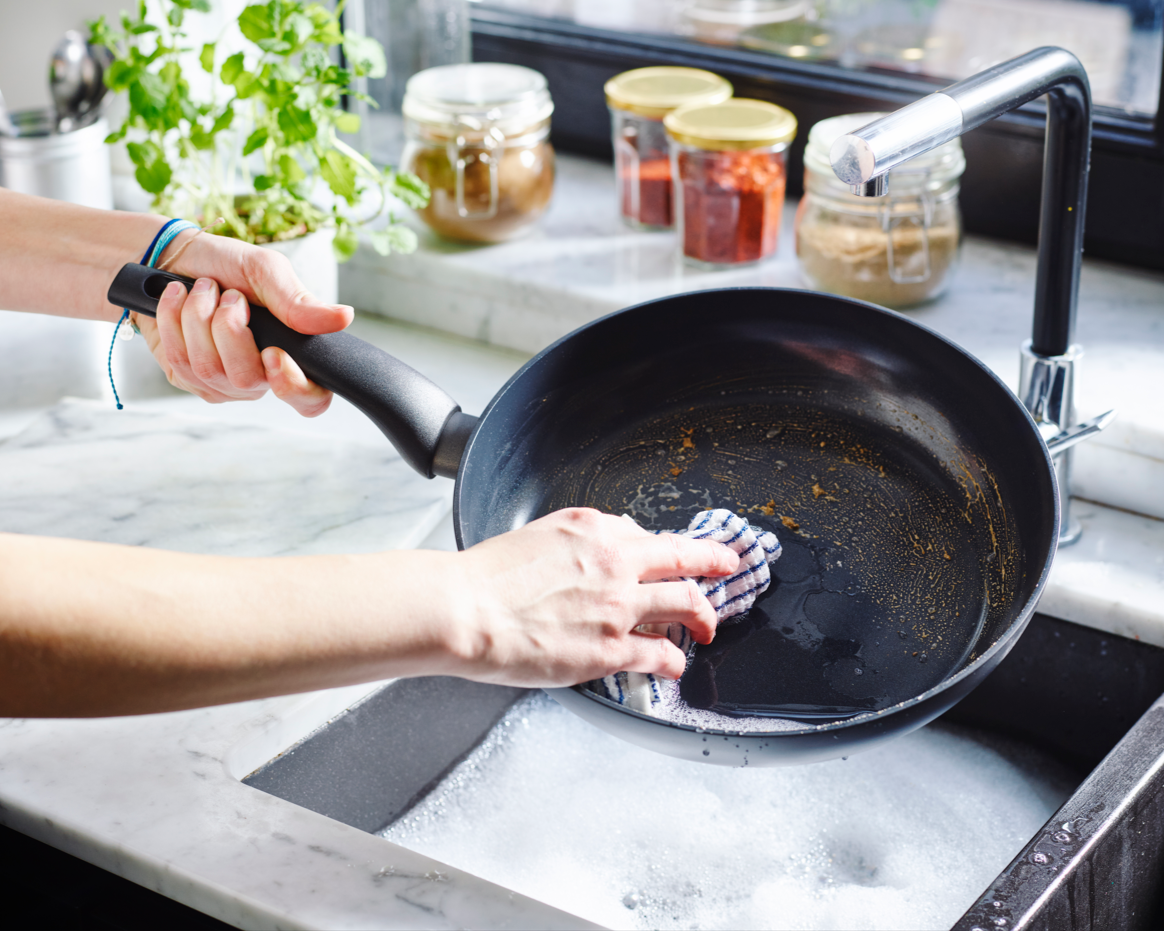
Clean the cookware with warm water and mild soap. Use a soft sponge to avoid scratches. Dry the pan completely before seasoning.
Apply a thin layer of cooking oil like vegetable or canola oil. Use a paper towel to spread the oil evenly. Avoid thick or sticky layers.
Heat the pan on low to medium heat for 5 to 10 minutes. This helps the oil bond with the pan surface. Let the pan cool down naturally before storing.
Maintenance Tips For Lasting Nonstick
Use warm water and mild soap for cleaning nonstick cookware. Avoid harsh scrubbing tools like steel wool. Soft sponges or cloths work best to protect the coating. Dry the cookware completely to stop rust or damage.
Never use metal utensils on nonstick surfaces. They can scratch and ruin the coating. Instead, choose wooden, silicone, or plastic tools. Avoid heating the cookware on very high heat. High heat can break down the nonstick layer.
- Do not put nonstick pans in the dishwasher.
- Season cookware occasionally with a little cooking oil.
- Store pans carefully to avoid scratches.
- Check for damage; replace if coating peels.
Troubleshooting Common Issues
Sticky residues on nonstick cookware can happen from oil buildup or burnt food. Use warm water and mild soap to clean the pan gently. Avoid abrasive scrubbers that can damage the surface. A soft sponge or cloth works best. For tough residues, soak the pan in warm soapy water for 15 minutes before cleaning.
Restore lost nonstick properties by seasoning the pan regularly. Heat the pan on low, then add a small amount of oil. Spread the oil with a paper towel to coat the surface evenly. Let it cool, then wipe off any extra oil. This process helps fill tiny cracks and smooths the surface.
- Use oils with high smoke points like canola or vegetable oil.
- Do not overheat the pan during seasoning.
- Repeat seasoning if food starts sticking again.

Credit: www.instagram.com
Frequently Asked Questions
How Often Should I Season Nonstick Cookware?
Season nonstick cookware every 2 to 3 months. Frequent seasoning maintains the nonstick surface and improves cooking performance. It also extends the lifespan of the cookware by preventing scratches and wear.
What Oil Is Best For Seasoning Nonstick Pans?
Use oils with high smoke points like vegetable, canola, or grapeseed oil. These oils create a durable nonstick layer without burning. Avoid low smoke point oils to prevent residue buildup.
Can Seasoning Improve Nonstick Cookware Performance?
Yes, seasoning enhances the cookware’s nonstick properties. It creates a protective layer that reduces food sticking and makes cleaning easier. Regular seasoning keeps the surface smooth and effective.
Is Seasoning Necessary For Brand New Nonstick Pans?
Seasoning new nonstick pans is recommended. It strengthens the nonstick coating and protects the surface from damage. This simple step improves cooking results and prolongs pan life.
Conclusion
Seasoning nonstick cookware keeps it working well and lasts longer. It helps stop food from sticking and makes cleaning easier. Use gentle oils and heat the pan carefully for best results. Repeat seasoning often to protect the surface. Treat your cookware with care and it will serve you well.
A little effort goes a long way in the kitchen. Enjoy cooking with your well-seasoned nonstick pans every day.